
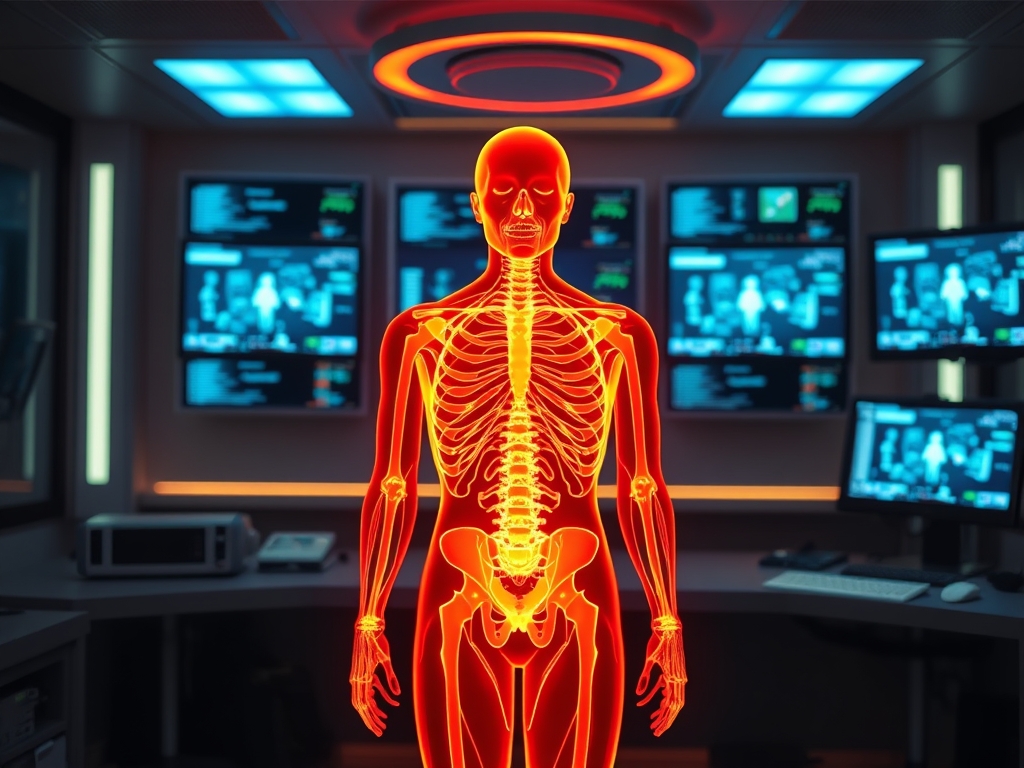
Did you know that by 2030, the global digital twin market in healthcare is projected to reach $1.9 billion? This remarkable growth underscores the transformative potential of digital twins for healthcare, especially within the realm of personalized patient monitoring. But what exactly are digital twins, and how are they poised to revolutionize how we understand, manage, and ultimately, improve patient health outcomes?
Foundational Context: Market & Trends
The healthcare industry is experiencing a profound shift towards data-driven decision-making and preventative care. Digital twins, which are virtual representations of physical entities, systems, or processes, are at the forefront of this evolution. They allow healthcare professionals to simulate, analyze, and optimize various aspects of patient care.
Key trends driving the adoption of digital twins in healthcare include:
- Growing demand for personalized medicine: Digital twins enable tailored treatment plans based on an individual's unique physiological characteristics.
- Technological advancements: The convergence of advanced technologies such as IoT sensors, AI, and big data analytics fuels the capabilities of digital twins.
- Increased focus on preventative care: Digital twins help identify potential health risks and provide insights for proactive interventions.
While the market is still emerging, the momentum is undeniable. A recent report indicates that adoption rates are accelerating, with significant investments pouring into research and development. The ability to simulate real-world scenarios and predict patient responses to various treatments makes digital twins an invaluable tool for clinicians, researchers, and healthcare providers.
The Rise of Smart Hospitals and Connected Devices
The integration of digital twins aligns perfectly with the growth of smart hospitals and the proliferation of connected devices, including wearables and implantable sensors. These devices provide a continuous stream of real-time data, which can then be fed into a digital twin, creating a dynamic, living model of a patient's health status.
Core Mechanisms & Driving Factors
At its core, a digital twin in healthcare functions by creating a comprehensive virtual replica of a patient. This virtual representation integrates data from diverse sources, including medical records, genetic information, wearable devices, and environmental factors. The primary components that make this possible:
Data Acquisition: Gathering comprehensive, accurate data through sensors, medical devices, and patient records is the bedrock of digital twin functionality.
Data Integration and Management: Effectively integrating diverse data sets requires robust data management systems to handle the volume, velocity, and variety of information generated.
Modeling and Simulation: This component constructs the virtual representation using sophisticated algorithms to simulate biological processes and predict patient outcomes.
Real-Time Monitoring: Continuous monitoring of the patient's physical state allows for constant updates to the virtual representation, maintaining its accuracy.
Analytics and Insight Generation: Applying AI and machine learning to the data within the digital twin allows for the discovery of actionable insights, personalized treatment recommendations, and preventative measures.
The Actionable Framework
Implementing a digital twin solution requires a strategic approach. Here is a framework:
Phase 1: Data Collection & Integration
- Establish Data Sources: Identify all relevant data sources (medical records, wearables, etc.).
- Data Standardization: Create a consistent format for data to ensure compatibility.
- Data Security: Implement robust security measures to protect patient data.
Phase 2: Building the Digital Twin Model
- Model Selection: Choose appropriate modeling techniques based on the specific clinical application.
- Algorithm Development: Develop algorithms to process data and simulate physiological processes.
- Model Validation: Validate the model by comparing its output with real-world patient data.
Phase 3: Deployment & Usage
- User Training: Train healthcare professionals on how to utilize the digital twin.
- Integration with Clinical Workflows: Incorporate the digital twin into existing clinical workflows.
- Continuous Monitoring: Continuously monitor patient data and update the model.
Analytical Deep Dive
Consider this: Studies have shown that digital twins can improve diagnostic accuracy by up to 20% and reduce the likelihood of readmissions by as much as 15%. Further, digital twins allow for more precise drug dosages, minimizing adverse side effects and ultimately improving the patient's quality of life. These advancements contribute to a significant reduction in healthcare costs and an increase in patient satisfaction.
Strategic Alternatives & Adaptations
Digital twin applications can be adapted for a wide range of use cases, from cardiology to mental health.
Beginner Implementation: Start with a focused application, such as monitoring patients with chronic conditions. Use commercially available software platforms.
Intermediate Optimization: Customize models and algorithms to address specific patient needs and healthcare workflows.
Expert Scaling: Integrate digital twins across multiple clinical specialties and create large-scale predictive models.
Validated Case Studies & Real-World Application
Consider the example of a hospital using a digital twin to monitor patients post-surgery. By collecting real-time vital signs and comparing them against historical data, the system can alert clinicians to potential complications before they become critical. This proactive approach significantly improves patient outcomes and decreases length of stay.
Risk Mitigation: Common Errors
Avoid these pitfalls:
- Poor Data Quality: Ensure data is accurate and complete, as errors can lead to inaccurate models.
- Over-reliance on the Model: Do not replace human clinical judgment with model predictions.
- Inadequate Security Protocols: Protect patient data from breaches.
Performance Optimization & Best Practices
To maximize the benefits of digital twins, consider these best practices:
- Collaboration: Foster collaboration between clinicians, data scientists, and engineers.
- Regular Model Updates: Regularly update models to incorporate the latest medical advancements.
- Continuous Improvement: Monitor system performance and iteratively improve the digital twin model.
Scalability & Longevity Strategy
For sustained success, prioritize:
- Integration: Incorporate digital twins into existing health IT infrastructure.
- Automation: Automate data collection, processing, and analysis.
- Adaptation: Continuously adapt and update the digital twin to meet evolving patient needs.
Knowledge Enhancement FAQs
Q: How do digital twins differ from traditional patient monitoring systems?
A: Digital twins provide a more comprehensive, personalized, and predictive approach. They go beyond simply collecting data by simulating patient health to predict outcomes.
Q: Are digital twins secure?
A: Data security is a top priority. Robust security protocols and data encryption are essential to protect sensitive patient information.
Q: What are the primary benefits of using digital twins in healthcare?
A: Improved patient outcomes, reduced costs, enhanced diagnostics, and a shift towards personalized medicine.
Q: What skills are needed to create and manage digital twins?
A: Expertise in data science, artificial intelligence, healthcare, and software engineering.
Q: How does AI enhance the performance of a digital twin?
A: AI is essential for processing large amounts of data, identifying patterns, and generating predictions and insights.
Q: Can a digital twin be used for preventative care?
A: Yes, the use of a digital twin to monitor a patient’s health indicators over an extended period of time allows for early detection of potential health risks, making preventative action possible.
Conclusion
The integration of digital twins in healthcare presents an unprecedented opportunity to redefine patient care. From providing better diagnostic support to optimizing treatment plans, the potential benefits are vast. Embrace the transformative power of this technology to revolutionize the future of health. The transition will not be easy, but the benefits for all, patients, and healthcare professionals alike, are enormous.
Ready to explore how digital twins can transform your healthcare practice? Contact us today for a consultation and start your journey toward a data-driven, patient-centered future.