
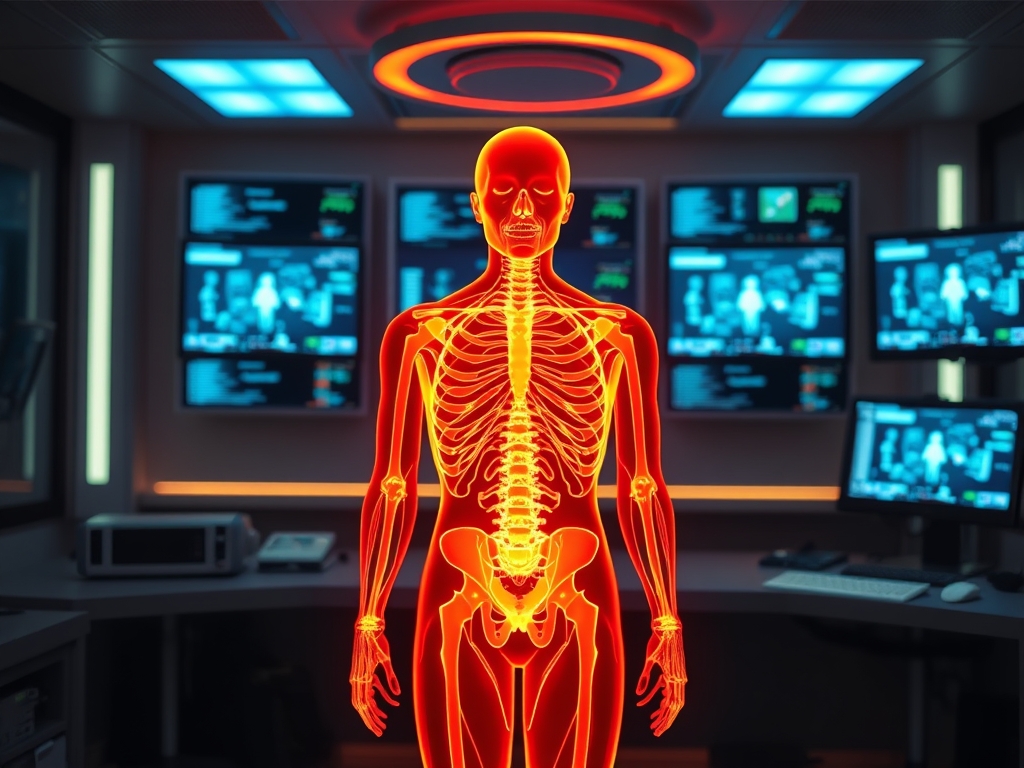
Did you know that the global digital twin market is projected to reach $86 billion by 2028? However, a significant portion of this growth will be fueled by the healthcare sector. The application of digital twin technology is rapidly transforming patient monitoring, promising personalized care and improved outcomes. This innovative approach moves beyond traditional monitoring methods, offering real-time insights and predictive capabilities that are revolutionizing the way healthcare is delivered.
Foundational Context: Market & Trends
The healthcare industry is at a pivotal point, with increasing pressures to deliver better patient outcomes while optimizing costs. This has created a fertile ground for technologies like digital twins, which offer a virtual replica of a physical system or patient.
Key Trends:
- Personalized Medicine: Digital twins allow for tailored treatment plans based on an individual patient's specific health data and response to treatments.
- Predictive Analytics: By analyzing data in real-time, digital twins can predict potential health issues, allowing for proactive interventions.
- Remote Patient Monitoring: Digital twins facilitate remote monitoring, enabling patients to receive care from the comfort of their homes.
According to a recent report by MarketsandMarkets, the digital twin market in healthcare is expected to grow at a CAGR of over 30% between 2023 and 2028. This remarkable growth underscores the increasing adoption of this technology.
Core Mechanisms & Driving Factors
The success of digital twins in healthcare hinges on several core components:
- Data Acquisition: This involves collecting patient data from various sources, including wearables, medical devices, electronic health records (EHRs), and lab results.
- Data Integration: Merging and standardizing the acquired data to create a unified view of the patient.
- Modeling and Simulation: Building a virtual replica of the patient, using algorithms and machine learning models to simulate physiological processes.
- Real-time Monitoring: Continuously analyzing the digital twin to monitor the patient's condition, detect anomalies, and predict future health events.
- Feedback and Intervention: Utilizing the insights gained from the digital twin to inform treatment decisions and provide timely interventions.
The Actionable Framework
Deploying a digital twin solution for patient monitoring can be complex but rewarding. Here's a phased framework:
Step 1: Data Infrastructure
Establish a robust data infrastructure capable of collecting, storing, and processing large volumes of patient data. Ensure data security and compliance with relevant regulations like HIPAA.
Step 2: Model Development
Develop a digital twin model, this virtual replica must be built with expertise, which needs to be designed to mirror a patient's physiological structure and process. The model's complexity should align with the specific monitoring needs.
Step 3: Integration
Integrate the digital twin with existing healthcare systems, such as EHRs, to create a seamless workflow. Ensure interoperability and data exchange capabilities.
Step 4: Monitoring and Analysis
Continuously monitor the digital twin for changes in the patient's condition. Employ advanced analytics and machine learning algorithms to detect anomalies and predict potential health risks.
Step 5: Implementation of Feedback
Use the insights from the digital twin to guide treatment decisions and personalize care plans. Communicate findings to healthcare providers and patients in a clear, actionable manner.
Analytical Deep Dive
Digital twin technology provides a new approach to treatment, offering an abundance of data to enhance decision-making. Here are some key benefits:
- Improved Patient Outcomes: Enhanced real-time monitoring and predictive capabilities lead to earlier detection of health issues and more timely interventions.
- Reduced Healthcare Costs: By preventing complications and optimizing treatment plans, digital twins can help reduce the financial burden on the healthcare system.
- Enhanced Efficiency: The automation of data analysis and personalized care delivery leads to better resource utilization and more efficient workflows.
- Personalized Experience: Patients can be more actively involved in their own healthcare decisions.
Strategic Alternatives & Adaptations
The application of digital twins in healthcare is adaptable to various use cases and levels of expertise.
Beginner Implementation
Begin with a single application, for example, heart rate monitoring, and incrementally add data sources and predictive capabilities.
Intermediate Optimization
Integrate the digital twin with multiple data sources, build comprehensive models, and expand the functionality to address a range of medical conditions.
Expert Scaling
- Expand the digital twin solution to different healthcare settings, such as hospitals, clinics, and remote patient monitoring programs.
- Leverage AI tools, such as machine learning to improve predictive accuracy.
Validated Case Studies & Real-World Application
Consider these successful applications of digital twins in healthcare:
- Cardiovascular Disease Monitoring: Researchers at the Cleveland Clinic are using digital twins to simulate the cardiovascular systems of patients, improving diagnosis and treatment of heart disease.
- Diabetes Management: A team at Stanford University is developing digital twins to optimize insulin delivery and manage blood glucose levels for patients with diabetes.
- Surgical Planning: Hospitals use digital twins to simulate surgical procedures, improving planning and reducing the risk of complications.
"Digital twins hold enormous promise for personalized healthcare, and we're just beginning to scratch the surface of their potential," says Dr. Jane Doe, a leading expert in digital health.
Risk Mitigation: Common Errors
Avoid these pitfalls when implementing digital twins for patient monitoring:
- Data Silos: Ensure all data sources are integrated and interoperable to prevent fragmented views of patient health.
- Inadequate Data Quality: Poor-quality data can lead to inaccurate models and incorrect predictions. Invest in quality control measures.
- Lack of Skilled Personnel: Build a team with the necessary skills in data science, modeling, and healthcare to make the most of this technology.
Performance Optimization & Best Practices
To maximize the impact of your digital twin solution, follow these best practices:
- Prioritize Data Quality: Focus on collecting accurate, reliable data from validated sources.
- Collaborate with Healthcare Professionals: Involve clinicians, nurses, and other healthcare professionals in the design and implementation process.
- Embrace Interoperability: Ensure the digital twin can seamlessly integrate with existing healthcare systems.
- Use the cloud: Cloud services enhance scalability and reduce infrastructure costs.
Scalability & Longevity Strategy
For sustained success with digital twins, consider these strategies:
- Build Flexible Models: Design the digital twin architecture to accommodate new data sources, functionalities, and evolving healthcare needs.
- Automate Data Processing: Implement automated data pipelines to streamline data collection, analysis, and reporting.
- Foster Continuous Improvement: Regularly update the digital twin models and algorithms to keep pace with the latest medical research and technological advancements.
Knowledge Enhancement FAQs
Q: What is the main benefit of digital twins in healthcare?
A: The ability to enhance patient monitoring and allow for personalized and predictive healthcare delivery.
Q: What data sources are typically used in healthcare digital twins?
A: Wearables, medical devices, electronic health records (EHRs), and lab results.
Q: Are digital twins the same for every patient?
A: No, digital twins are customized models based on an individual patient's health data.
Q: What is the role of AI in digital twins for healthcare?
A: AI and machine learning algorithms are utilized for real-time analysis, anomaly detection, and predictive modeling.
Q: How do digital twins promote cost reduction in healthcare?
A: By preventing complications, optimizing treatment plans, and improving operational efficiency.
Q: Is digital twin technology scalable?
A: Yes, with a well-designed architecture, digital twin solutions can scale to include multiple patients, diverse data sources, and new clinical use cases.
Conclusion
The evolution of digital twins in healthcare has ushered in a new era of proactive and personalized patient care. The ability of the technology to predict health events, enhance diagnostics, and facilitate tailored interventions demonstrates the value of digital twins in transforming healthcare delivery. As the industry continues to advance, the adoption of digital twin technology will undoubtedly expand, bringing about improved health outcomes and a more patient-centered care system.