
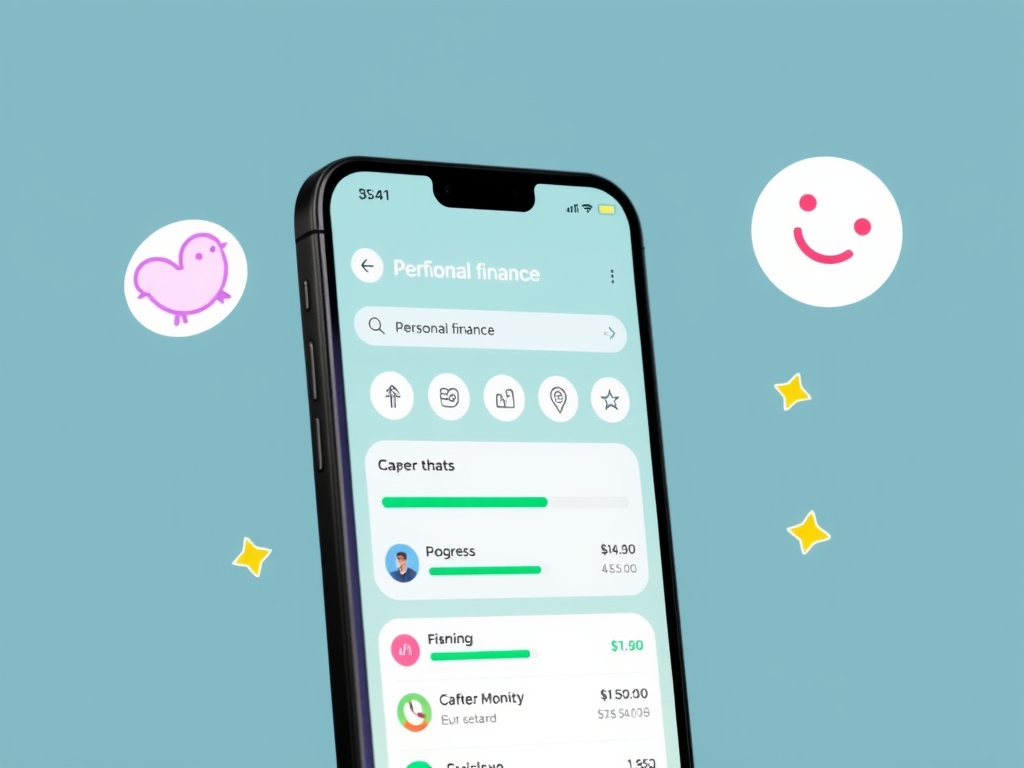
Foundational Context: Market & Trends
The personal finance app market is booming, with projections indicating continued robust growth. While traditional budgeting apps remain popular, those incorporating game mechanics are gaining significant traction. This is due to their proven ability to increase user engagement and encourage consistent savings behavior. Consider this comparative snapshot:
| Feature | Traditional App | Gamified App |
|---|---|---|
| User Engagement | Passive, Data-Driven | Active, Incentive-Based |
| User experience | Data Entry, Analysis | Playful, Goal-Oriented |
| Retention Rate | Lower | Significantly Higher |
| Primary Focus | Budgeting & Tracking | Savings & Achievement |
The trend is clear: users respond positively to rewards, challenges, and the inherent satisfaction of achieving goals. Moreover, the integration of AI-driven insights and personalized financial advice within these apps is further enhancing their value proposition.
Core Mechanisms & Driving Factors
Several key components drive the success of gamified saving apps:
- Rewards Systems: Points, badges, virtual currency, and real-world incentives (like gift cards or interest rate boosts).
- Progress Tracking: Visual representations of savings goals and progress toward them.
- Challenges & Competitions: Encouraging users to save more through competitions among friends or leaderboards.
- Personalized Goals: Allowing users to set and track savings goals that align with their specific life needs.
- Educational Components: Integrating financial literacy resources to help users better understand their finances.
- AI-Powered Insights: AI to track and offer data driven insights, tailored strategies, and budget optimization options
The Actionable Framework: Getting Started with Gamified Saving
Ready to integrate gamification into your financial strategy? Here's a step-by-step guide:
Step 1: Identify Your Savings Goals
Before selecting an app, determine what you're saving for: a down payment on a house, an emergency fund, travel, or retirement? Having clear goals provides motivation and helps you choose the app best suited to your needs.
Step 2: Research and Compare Apps
Explore different apps, paying close attention to their gamification features, fees, security, and integration with your existing financial accounts. Compare functionalities across multiple platforms.
Step 3: Set up Your Account and Link Your Accounts
Once you've chosen an app, create your account, providing accurate information and linking your bank accounts and credit cards. Ensure all financial data is properly linked.
Step 4: Define Your Savings Strategies
Explore each app's unique approach to gamification and then define how much you aim to save. Experiment with various methods to determine what works best for you.
Step 5: Engage with the Gamified Features
Actively participate in the app's challenges, earn rewards, and track your progress. Set notifications to stay informed and motivated, regularly monitor your financial status, and adjust your strategies as necessary.
Step 6: Refine, Optimize and Keep Learning
Regularly assess your progress and make any necessary adjustments to your saving methods. Keep learning! Take advantage of any educational components, financial literacy tools, and other resources provided by the app.
Analytical Deep Dive
According to recent studies, users of gamified savings apps demonstrate a 20-30% increase in savings rates compared to those using traditional budgeting methods. Further, the average user retention rate is approximately 40% higher in apps leveraging gamification. These figures underscore the power of incorporating game mechanics to drive behavioral change in personal finance.
Validated Case Studies & Real-World Application
Consider a young professional, Sarah, who struggled to save consistently. By using a gamified saving app, she set a goal to save $5,000 for a down payment on a car. The app's challenges and rewards motivated her, and she achieved her goal within a year. This demonstrates the power of gamification in turning a seemingly difficult financial goal into an achievable reality.
Risk Mitigation: Common Errors
Avoid these common pitfalls:
- Setting Unrealistic Goals: Start small and gradually increase your targets.
- Over-relying on Gamification: While fun, the core of saving is disciplined behavior.
- Ignoring Fees: Be aware of any hidden fees associated with the app, such as transfer charges.
- Failing to Regularly Review Your Progress: Track your progress.
- Selecting a low-security app: Verify the app's data security measures
Performance Optimization & Best Practices
To maximize your results, follow these practices:
- Consistently Participate: Regularly engage with the app's features and challenges.
- Set Clear Financial Goals: Define your goals in terms of money, time, and motivation.
- Automate Savings Transfers: Automate recurring transactions to make savings consistent.
- Embrace the Competition (If Applicable): Leverage friendly competition and leaderboards to boost motivation.
- Integrate the App Into Your Daily Routine: Treat it as an important step in your daily or weekly financial management.
Strategic Alternatives & Adaptations
For Beginners: Focus on apps with simple interfaces and clear goals. Start with small, manageable savings challenges.
For Intermediate Users: Experiment with more complex challenges, set higher goals, and explore apps with more advanced features, such as AI-powered budgeting.
For Experts: Consider diversifying your financial portfolio by integrating gamified saving apps. Also, make sure that you are consistently comparing apps to find better features.
Scalability & Longevity Strategy
Sustaining long-term success with gamified saving requires a strategic approach. Continuously reassess your goals, adapt to changing financial circumstances, and evolve your saving strategies. Regularly explore new features and make sure you understand the nuances of the app, as technology continues to change. Leverage automation where possible to ensure that your processes are as efficient and effective as possible.
Conclusion
By adopting gamified saving, you transform the mundane into the motivating. The apps we have discussed transform saving from a chore into a game. Embrace the power of rewards, challenges, and progress tracking to create a positive feedback loop that helps you achieve your financial goals. By consistently implementing and optimizing your plan, you'll be well on your way to improved financial health.
Frequently Asked Questions (FAQ)
1. Are gamified saving apps secure?
Reputable apps use robust security measures, including encryption and two-factor authentication. Always verify the app's security protocols and read reviews to ensure its trustworthiness.
2. Can gamified saving apps replace traditional financial advice?
No, these apps should be viewed as tools to assist your financial journey, not a replacement for financial planning.
3. Are there any fees associated with gamified saving apps?
Some apps are free, while others charge subscription fees or a small fee. Understand the cost structure before committing.
4. How do I choose the right app for me?
Consider your saving goals, financial habits, and the types of rewards and challenges that motivate you. Trial multiple apps before choosing.