
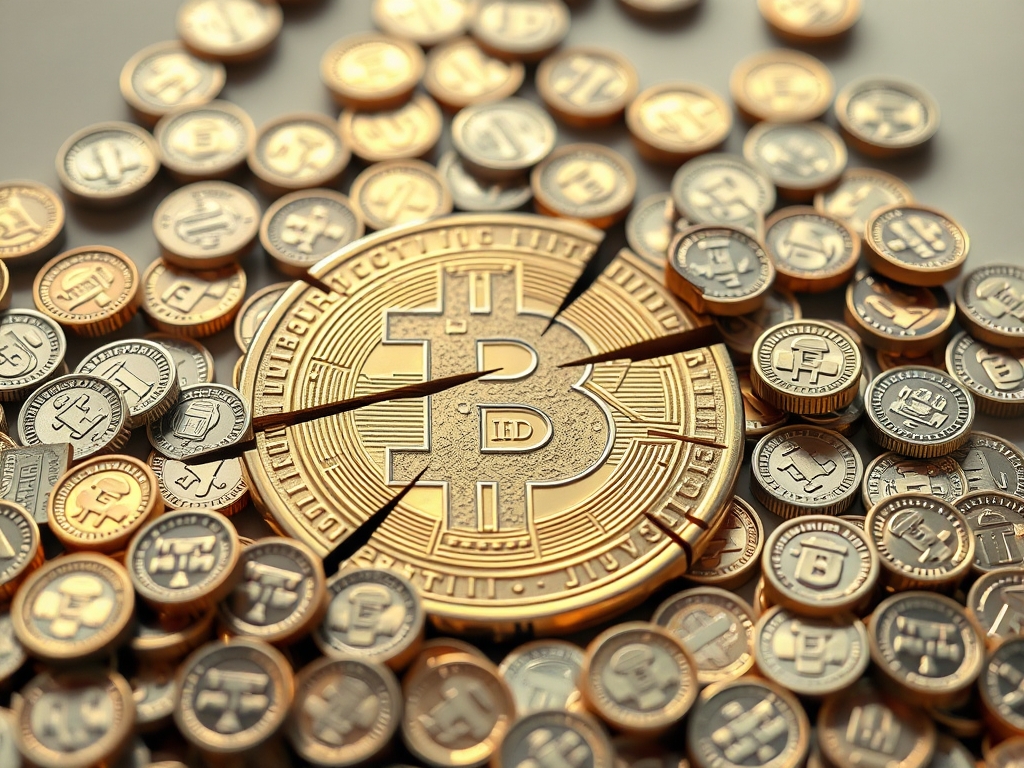
NFT Fractionalization is rapidly changing the landscape of digital asset ownership, a transformation with the potential to democratize access to high-value collectibles and investments. Did you know that the current NFT market cap is projected to reach $231 billion by 2030? This innovative concept opens up new possibilities for both creators and collectors.
Foundational Context: Market & Trends
The NFT market has experienced explosive growth, yet blue-chip NFTs – those representing the highest value and prestige – remain largely out of reach for many. This is where NFT fractionalization comes in. By allowing ownership to be divided into smaller, more affordable units (also called tokens), fractionalization lowers the barrier to entry, fostering broader participation.
Market projections are promising. As the overall NFT market expands, the demand for accessible ownership structures, like fractionalization, is expected to surge. Research shows that over 60% of potential NFT investors are interested in partial ownership opportunities, demonstrating the compelling nature of this concept.
Core Mechanisms & Driving Factors
Understanding the core mechanisms of NFT fractionalization is critical. Here are the primary drivers:
- Accessibility: Allows smaller investors to participate.
- Liquidity: Creates an easier way to buy and sell partial ownership.
- Diversification: Enables portfolio diversification for the owners.
- Price Discovery: Facilitates market-driven valuation.
- Reduced Risk: Lowers the financial barrier for an investor.
These factors together are fueling the adoption of fractionalized NFTs.
The Actionable Framework: How to Fractionalize an NFT
Fractionalizing an NFT involves several key steps. Here’s a streamlined approach:
Step 1: Selecting the NFT
Carefully choose the NFT to fractionalize. Consider its value, historical performance, and rarity. Blue-chip NFTs are the best candidate.
Step 2: Choosing the Platform
Select a platform that specializes in NFT fractionalization. Research the platform's security, reputation, and fee structure. Some of these platforms are NFT fractionalization exchanges.
Step 3: Tokenizing the NFT
The NFT is broken down into ERC-20 tokens, representing ownership shares.
Step 4: Setting the Parameters
Determine the number of tokens to be created, the pricing strategy, and the distribution method.
Step 5: Listing and Marketing
After the NFT has been broken down to fractions and listed in a platform, it is time to market the listing.
Note: Always perform thorough due diligence before fractionalizing or investing in fractionalized NFTs. Security and regulatory compliance are essential considerations.
Analytical Deep Dive
Analyzing the performance of fractionalized NFTs reveals interesting trends. While data is still evolving, early insights suggest that fractionalized assets are experiencing increased liquidity compared to non-fractionalized NFTs, and this trend is expected to continue.
“Fractionalization is more than just access; it's about building a community around these assets," says crypto analyst Sarah Chen, adding that it “also unlocks new revenue models for creators and owners alike.”
Strategic Alternatives & Adaptations
There are variations within the fractionalization model. Different platforms offer different levels of decentralization, governance, and fee structures. For instance, beginners might start with platforms that offer a custodial solution, while more advanced users can explore fully decentralized protocols.
- Beginner Implementation: Start with a popular, easy-to-use platform that offers clear instructions and support.
- Intermediate Optimization: Explore various tokenization strategies and risk management tools.
- Expert Scaling: Implement advanced governance models and create your own fractionalization protocol.
Validated Case Studies & Real-World Application
Consider the case of a rare CryptoPunk NFT. By fractionalizing it, the owner opened up ownership to a broader audience. The result: increased trading volume, a more stable price, and the creation of a vibrant community invested in the success of the underlying asset.
Risk Mitigation: Common Errors
Several errors can impact the success of NFT fractionalization:
- Poor Asset Selection: Choosing an NFT with little historical value.
- Platform Vulnerability: Improperly researching platform security, resulting in hacks and scams.
- Poor Governance: Lack of community engagement and support.
- Excessive Fees: Having high fees for fractionalization.
Performance Optimization & Best Practices
To optimize performance:
- Select High-Value Assets: Target blue-chip NFTs or those with strong potential.
- Conduct Thorough Due Diligence: Research platforms and contracts meticulously.
- Establish Clear Governance: Define rules for decision-making and asset management.
- Promote Strong Community: Encourage collaboration and engagement among fractional owners.
- Maintain Transparency: Provide continuous updates and reports on asset performance.
Scalability & Longevity Strategy
For sustained success, focus on:
- Automated Trading: Use advanced smart contracts to automate trading and asset management.
- Establish a Strong Community: Build loyalty through active communication, governance, and value-added resources.
- Diversification: Diversify your fractionalized portfolio to reduce risk.
- Staying Current: Continuously monitor market trends and update your strategy accordingly.
Conclusion
NFT fractionalization presents a powerful opportunity to unlock value and democratize access to the world of blue-chip digital assets. By understanding the core mechanics, following a strategic framework, and mitigating potential risks, individuals and businesses can participate in this exciting new era of digital ownership.
Knowledge Enhancement FAQs
What are the benefits of NFT fractionalization?
It increases accessibility, boosts liquidity, and allows for portfolio diversification.How do I choose the best platform for NFT fractionalization?
Look for secure, reputable platforms with clear fee structures and strong community support.What are the biggest risks?
Poor asset selection, platform vulnerabilities, and a lack of governance are some of the biggest risks.Can fractionalization apply to any NFT?
While it's possible to fractionalize any NFT, high-value, blue-chip assets are generally best suited for this.How does fractionalization affect NFT pricing?
It can increase liquidity, and provide more price discovery, and can lead to more stable valuations.What are the security considerations?
Ensure the platform's security, and carefully review smart contracts before participating.