
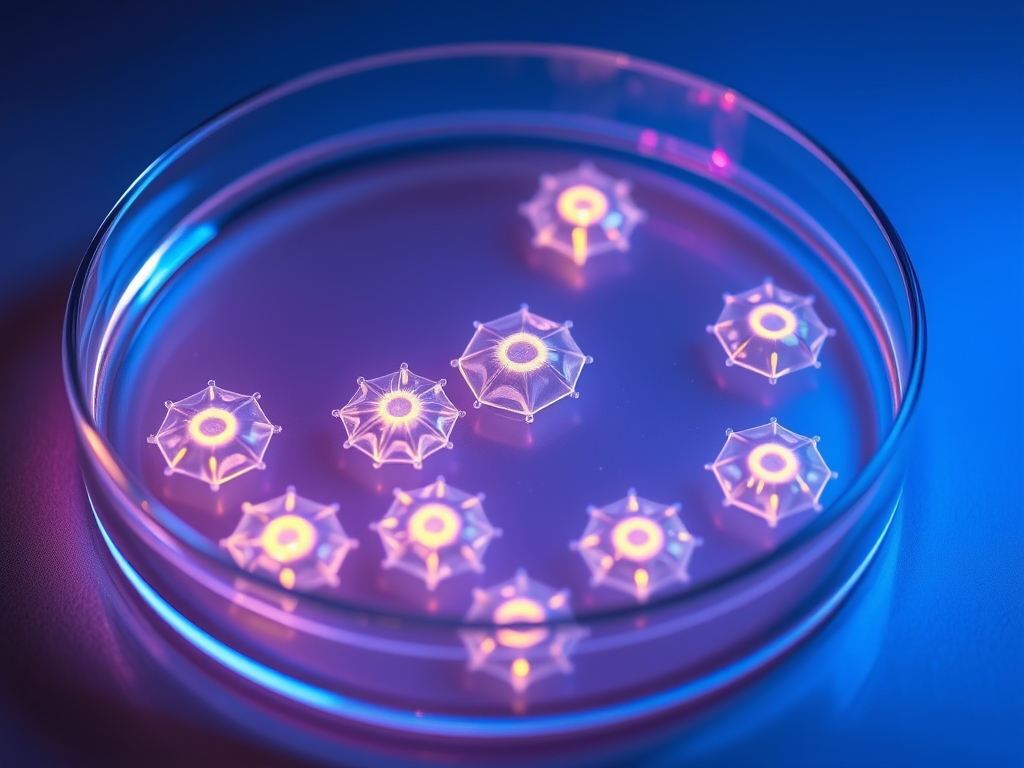
The field of synthetic biology is rapidly transforming the scientific landscape. Did you know that the global synthetic biology market, valued at $11.7 billion in 2021, is projected to reach $44.1 billion by 2029? This explosive growth is fueled by breakthroughs that are reshaping medicine, agriculture, and manufacturing, leading to a new era of biological design and innovation. The question that remains is: are we prepared for the ethical challenges that come with wielding such transformative power?
Foundational Context: Market & Trends
The synthetic biology market is experiencing an unprecedented surge. Recent data indicates a compound annual growth rate (CAGR) exceeding 18% over the next five years. This accelerated trajectory is driven by:
- Advancements in DNA sequencing and synthesis technologies: Making it easier, faster, and cheaper to design and build new biological systems.
- Growing demand for sustainable solutions: Synthetic biology offers innovative approaches to address environmental challenges.
- Increasing investments in R&D: Both public and private sectors are pouring significant resources into this promising field.
| Area of Application | Market Growth (CAGR, %) | Key Trends |
|---|---|---|
| Therapeutics | 21.5% | Personalized medicine, targeted drug delivery, and engineered immune cells. |
| Industrial Biotechnology | 17.8% | Production of biofuels, bioplastics, and bio-based chemicals. |
| Agricultural Biotechnology | 19.2% | Crop improvement through enhanced yield, pest resistance, and improved nutritional content. |
Core Mechanisms & Driving Factors
At its core, synthetic biology involves designing and constructing new biological parts, devices, and systems, or redesigning existing natural biological systems for useful purposes. Several fundamental elements are crucial to success:
- Genetic Engineering: Manipulating the genetic code to create desired functionalities. This includes techniques like CRISPR-Cas9, which enables precise gene editing.
- DNA Synthesis: The ability to rapidly and accurately synthesize custom DNA sequences.
- Bioinformatics: Utilizing computational tools to design and model biological systems.
- Biomanufacturing: Scaling up the production of engineered biological products.
The Actionable Framework: Navigating the Ethical Maze
Understanding the Ethical Terrain
The rapid development of synthetic biology presents complex ethical dilemmas. These include concerns about the potential misuse of technology, unintended environmental consequences, and equitable access to benefits. It's vital to:
- Identify Potential Risks: Assess the potential for biological weapons, accidental release of engineered organisms, and environmental impact.
- Establish Clear Regulations: Implement robust regulatory frameworks to govern research, development, and application.
- Foster Public Dialogue: Engage in open and transparent conversations with the public about the benefits and risks of synthetic biology.
Implementing Ethical Guidelines
To address these concerns, ethical guidelines and robust oversight are essential. This framework should involve:
- Transparency: All research should be conducted with open access to data and results.
- Accountability: Establishing clear lines of responsibility for any potential harm caused by engineered organisms.
- Benefit Sharing: Ensuring that the benefits of synthetic biology are distributed equitably.
Analytical Deep Dive: The Impact of Synthetic Biology
While precise projections vary, it’s clear that synthetic biology will continue to drive significant innovation across multiple sectors. For example, recent reports indicate that the use of synthetic biology in biofuels could reduce carbon emissions by up to 60% compared to fossil fuels. The development of new diagnostics and therapeutics also stands to revolutionize healthcare, significantly improving patient outcomes.
“Synthetic biology has the potential to solve some of the world's most pressing challenges, but we must do so responsibly," -Dr. Emily Carter, Professor of Chemical Engineering.
Risk Mitigation: Common Errors
Navigating the ethical and practical landscape of synthetic biology is not without its pitfalls. Avoiding these common mistakes is crucial for success.
- Insufficient Risk Assessment: Failing to fully evaluate potential risks before undertaking research or deploying engineered organisms.
- Lack of Public Engagement: Not involving the public in the dialogue on the development and deployment of new technologies.
- Ignoring Regulatory Compliance: Overlooking or not complying with relevant laws and regulations.
- Poor Communication: Inadequate or ineffective communication of scientific findings and technological applications.
Performance Optimization & Best Practices
Optimizing results in synthetic biology requires a multi-faceted approach, balancing scientific excellence, ethical responsibility, and effective communication.
- Invest in Continuous Learning: Keep abreast of the latest advances in the field, including changes in regulations, new ethical considerations, and innovative solutions.
- Collaborate: Establish partnerships with experts in various fields, including ethicists, regulators, and members of the public.
- Stay Informed: Regularly update risk assessments and management strategies in line with new data and emerging ethical issues.
- Promote Open Communication: Foster transparency and open dialogue with all stakeholders.
Scalability & Longevity Strategy
For synthetic biology to realize its long-term potential, sustainability and scaling must be key considerations.
- Focus on Standardisation: Develop standardised biological parts and systems to streamline research and facilitate innovation.
- Establish Strong Intellectual Property Rights: Protect the IP for engineered organisms and processes.
- Encourage Public-Private Partnerships: Attract investment to scale-up new ventures and accelerate the development of innovative products.
- Prioritize Education and Training: Invest in the education and training of researchers, regulators, and the public.
Conclusion
Synthetic biology stands at the cusp of transforming our world. The ethical considerations must not be overlooked to ensure this powerful technology helps humanity. Through careful planning, robust regulatory frameworks, and broad public dialogue, we can harness the incredible potential of synthetic biology while mitigating its risks.
Key Takeaways:
- Ethical considerations are paramount: Develop and implement ethical guidelines.
- Transparency and public engagement are critical: Open access to data and robust public discourse.
- Regulations and compliance are essential: Maintain a strong regulatory framework.
Knowledge Enhancement FAQs
Q: What is the main goal of synthetic biology?
A: The main goal of synthetic biology is to design and build new biological parts, devices, and systems, or to redesign existing natural biological systems for useful purposes.
Q: What are some potential benefits of synthetic biology?
A: Potential benefits include advancements in medicine, agriculture, sustainable energy production, and environmental remediation.
Q: What are some of the ethical concerns surrounding synthetic biology?
A: Ethical concerns include the potential misuse of technology, environmental impact, and equitable access to benefits.
Q: How can we mitigate the risks associated with synthetic biology?
A: Mitigation strategies include the development of ethical guidelines, robust regulations, public engagement, and continuous risk assessment.
Call to Action: Ready to learn more? Explore our library of articles on emerging technologies, including related AI applications and future business strategies. Click here to read our in-depth report on the regulatory landscape of synthetic biology and sign up for our newsletter to receive the latest updates.