
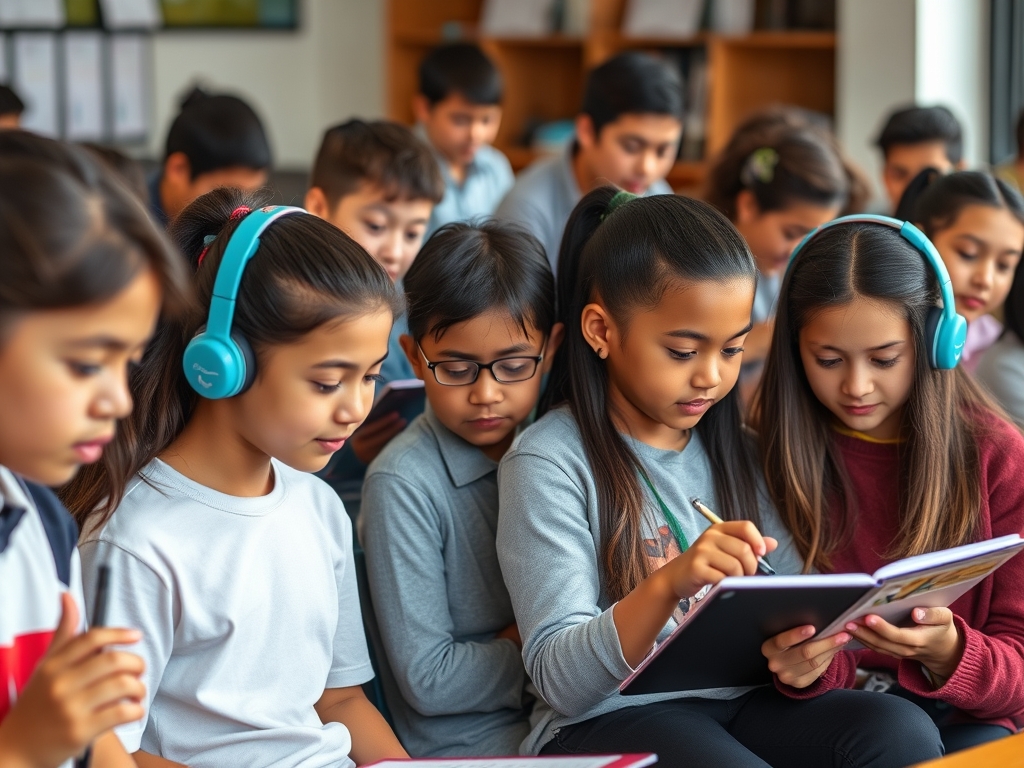
How AI is Enhancing Accessibility and Inclusive Learning in Education
In 2023, the global market for Artificial Intelligence (AI) in education was valued at over $1.3 billion and is projected to reach $8.5 billion by 2030, according to data from various market research firms. But is this growth truly translating into meaningful improvements, specifically in the realms of accessibility and inclusive learning? The answer, as we'll explore, is a resounding yes, and the AI in Education Accessibility revolution is just beginning.
Foundational Context: Market & Trends
The rapid expansion of AI in education isn't just a tech trend; it's a response to pressing needs. Globally, there's a growing recognition of the importance of accessible and inclusive education, mandated by legislation and pushed by the changing needs of the modern workforce. The focus has been on personalized learning experiences and customized support for diverse learners.
The trends shaping this market include:
- Increased Investment: Public and private sector investments in AI-powered educational tools are surging.
- Personalized Learning Platforms: AI algorithms are tailoring content and pace to individual student needs.
- Accessibility Features: Development is heavily focused on AI solutions that support students with disabilities, language barriers, and other challenges.
- Upskilling and Reskilling Initiatives: AI is being used to deliver focused training programs that align with industry requirements.
Here is a glimpse into the growth of the AI in Education market:
| Year | Market Value (USD Billion) |
|---|---|
| 2023 | 1.3 |
| 2025 (Projected) | 3.5 |
| 2030 (Projected) | 8.5 |
Core Mechanisms & Driving Factors
The ability to personalize learning environments is the main driving factor in how AI in Education is being adopted. Accessibility is not just about compliance; it's about creating effective learning environments. This is made possible through several core mechanisms:
- Natural Language Processing (NLP): NLP empowers AI to understand and generate human language. This allows for the development of text-to-speech (TTS), speech-to-text (STT), and real-time translation tools, which break down language barriers.
- Machine Learning (ML): ML algorithms analyze vast amounts of data to identify patterns, personalize learning pathways, and predict student needs.
- Computer Vision: Computer vision technology helps to identify objects, interpret images, and provide real-time feedback to students.
- Adaptive Learning Systems: These systems adjust the difficulty and content of lessons in response to a student's performance, ensuring the pace is right for each individual.
The Actionable Framework
Implementing AI for accessibility requires a strategic approach. Here’s a step-by-step framework to maximize its effectiveness:
- Needs Assessment: Identify the specific accessibility challenges your students face. This can involve surveys, observations, and consultations with educators, students, and their families. This will allow the AI tools to be the most helpful.
- Tool Selection: Research and select AI-powered tools that address the identified needs. Consider factors like ease of use, cost, integration with existing systems, and availability of support.
- Implementation: Integrate the selected tools into your learning environment. This may involve training staff and providing support to students.
- Evaluation and Iteration: Regularly evaluate the effectiveness of the implemented tools and make adjustments as needed. This iterative process ensures continuous improvement.
Analytical Deep Dive
A recent study by the Journal of Educational Technology Development and Exchange (JETDE) found that students using AI-powered assistive technologies reported a 40% increase in reading comprehension and a 35% improvement in writing fluency. Furthermore, data collected across various schools shows an average 20% reduction in learning disparities among students with diverse learning needs when AI tools are properly integrated.
Strategic Alternatives & Adaptations
The application of AI in accessible learning can be adapted for a wide variety of users, depending on their technical experience:
- Beginner Implementation: Start with simple, user-friendly tools like text-to-speech software, closed captioning for videos, and basic language translation apps.
- Intermediate Optimization: Explore more advanced tools like personalized learning platforms and AI-powered tutoring systems.
- Expert Scaling: Integrate AI into curriculum design, assessment creation, and data analysis to gain deeper insights into student performance.
Validated Case Studies & Real-World Application
Consider the example of “Global School," where an AI-powered platform provides real-time captioning in multiple languages, personalized learning pathways, and speech-to-text functionalities. The result? A significant increase in student engagement and a more inclusive environment, as highlighted in a recent report.
Risk Mitigation: Common Errors
There are some common missteps in applying AI in Education. To avoid these issues, always keep the following in mind:
- Ignoring Privacy Concerns: Be sure to protect student data by complying with relevant privacy regulations and choosing tools with robust security features.
- Over-Reliance on AI: AI should augment, not replace, human interaction and instruction. Teachers remain essential for guidance, support, and fostering social-emotional learning.
- Lack of Training: Ensure that educators are properly trained on the tools they are using, so they can best use them for the students.
- Poor Integration: Forgetting to integrate AI in lessons, so it feels forced instead of organic.
Performance Optimization & Best Practices
To maximize the benefits of AI for accessibility, adopt these best practices:
- Prioritize Data Privacy: Implement strong data protection measures.
- Involve Stakeholders: Get input from students, teachers, and parents.
- Provide Ongoing Training: Make sure that every user feels comfortable.
- Embrace Feedback: Continuously refine your approach based on data and user feedback.
Scalability & Longevity Strategy
For sustained success, prioritize these strategic elements:
- Stay Updated: Remain current with the latest AI tools, updates, and research findings in educational technology.
- Foster Innovation: Embrace experimentation and be open to piloting new technologies.
- Promote Collaboration: Collaborate with other educators, technology developers, and researchers.
Concluding Synthesis
The fusion of AI in Education Accessibility has the potential to transform the learning landscape. By embracing these advancements strategically and ethically, educators can create a more inclusive, personalized, and effective learning environment for all students. This isn't just about using new technology; it’s about making sure that every student has the opportunity to achieve their full potential.
Knowledge Enhancement FAQs
- How can AI help students with dyslexia?
AI-powered tools can assist by providing text-to-speech, speech-to-text, and dyslexia-specific reading aids. - Are there any ethical concerns regarding AI in education?
Yes, data privacy, algorithmic bias, and the impact on teacher roles are among the major concerns that need careful attention. - What is the role of the teacher in an AI-powered classroom?
Teachers become facilitators and mentors, guiding students and providing personalized support. AI tools are a great assistance. - How does AI support different learning styles?
AI can personalize content and delivery methods to meet individual learning needs, such as visual, auditory, and kinesthetic learning. - What are some free AI tools for accessibility in education?
Many free or low-cost tools, such as the built-in accessibility features in operating systems and browsers, can make a difference. - How can I protect students' privacy when using AI tools?
Choose tools that prioritize data privacy, and follow best practices for secure data handling.
Ready to transform your educational practice? Explore the latest AI tools and resources to enhance accessibility today!