
Understanding Data Clean Rooms for Privacy-Safe Marketing Collaboration
The marketing landscape is rapidly evolving, with a laser focus on data privacy. Did you know that by 2025, it's predicted that global spending on data privacy solutions will reach over \$100 billion? That's a significant indicator of the current shift. But what about marketing collaborations that require data sharing? This is where Data Clean Rooms come in, offering a revolutionary approach to privacy-safe marketing collaboration.
Foundational Context: Market & Trends
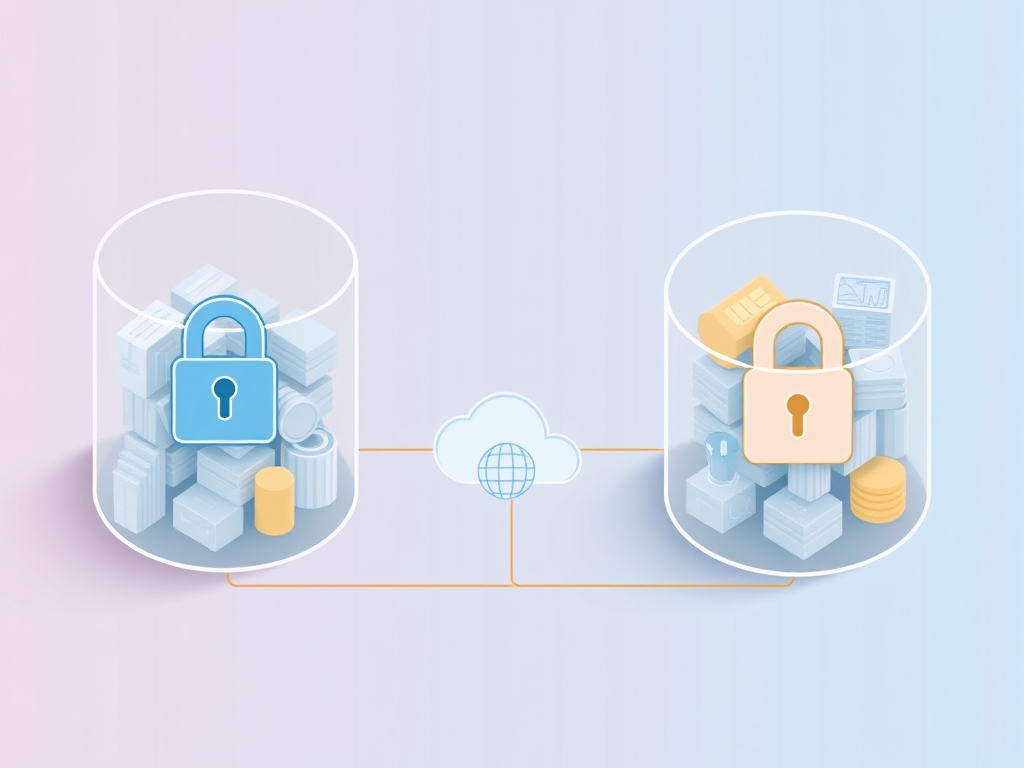
The rise of regulations like GDPR and CCPA has significantly impacted how businesses collect, store, and utilize consumer data. This has presented a challenge for marketers, making it harder to target audiences effectively. Simultaneously, the demand for personalized marketing experiences continues to grow. These converging forces have catapulted Data Clean Rooms to the forefront. These secure environments allow multiple parties to share and analyze aggregated data without exposing underlying personal information.
Here’s a quick overview of some current trends:
| Trend | Impact |
|---|---|
| Increased Data Privacy Regulations | Requires more privacy-focused marketing solutions. |
| Growing Demand for Personalization | Demands advanced data analysis while maintaining consumer privacy. |
| Rise of Collaborative Marketing | Requires secure data-sharing mechanisms for joint campaigns and analytics. |
| Data Clean Room Adoption | Indicates growing trust and understanding of these secure environments. |
Core Mechanisms & Driving Factors
At their core, Data Clean Rooms operate using a set of crucial mechanisms. These include:
- Secure Data Ingestion: Data is uploaded to a clean room in a secure and encrypted format.
- Controlled Data Access: Access rights are strictly managed, ensuring only authorized users can view data, and only in aggregate.
- Privacy-Enhancing Technologies (PETs): Tools like differential privacy and homomorphic encryption are often employed to maintain data confidentiality.
- Output Restrictions: Results are always anonymized and aggregated to prevent the identification of individuals.
- Audit Trails: Complete audit logs track all data access and analysis activities, enhancing transparency and compliance.
Understanding these factors is crucial for successful implementation.
The Actionable Framework
Implementing a Data Clean Room can seem daunting, but it's fundamentally a structured process. Here’s a basic framework to get you started:
1. Define Your Objectives
What specific marketing goals are you hoping to achieve through data collaboration? Are you looking to improve audience targeting, measure campaign effectiveness, or gain new customer insights? Start with clear, measurable goals.
2. Select Your Data Clean Room Solution
Several platforms now offer data clean room capabilities. Research and select a provider that aligns with your needs, budget, and technical expertise.
3. Establish Data Governance Protocols
Define the rules and guidelines for data sharing, access control, and usage within the clean room. This includes outlining data types, access levels, and any acceptable analysis methods.
4. Prepare and Upload Data
Clean and prepare your datasets for ingestion into the Data Clean Room. This may involve anonymization, aggregation, or other pre-processing steps.
5. Collaborate and Analyze Data
Within the clean room environment, collaborate with partners to analyze the aggregated data. Employ the defined protocols to ensure privacy compliance.
6. Generate Insights and Report Results
Use the analyzed data to derive valuable marketing insights and share the results. Ensure all reports and insights remain anonymized and aggregated.
This framework offers a streamlined approach, but always adapt it to your specific business requirements.
Analytical Deep Dive
The effectiveness of Data Clean Rooms in modern marketing has a strong data-backed foundation. A recent study by Forrester indicated that organizations using Data Clean Rooms saw a 20% increase in campaign ROI by improving the quality of their audience targeting. Other studies show that using these tools is also an effective way to improve measurement accuracy.
This shows a strong business case.
Strategic Alternatives & Adaptations
The application of Data Clean Rooms isn’t one-size-fits-all. You can begin with a Beginner Implementation by using a cloud-based clean room solution with pre-built features. For Intermediate Optimization, explore advanced analytics capabilities and integrations with other marketing tools. Finally, Expert Scaling involves custom configurations, integrating with multiple partners, and investing in advanced PETs to maximize privacy and efficiency.
Validated Case Studies & Real-World Application
Consider a scenario where a major retailer partners with a media platform.
- By utilizing a Data Clean Room, the retailer can share its first-party customer data with the media platform.*
- The media platform can then match its audience data to the retailer’s data, building highly targeted audience segments.
- The result: More effective ad campaigns with a lower cost per acquisition, and improved customer satisfaction since users see more relevant ads.
Risk Mitigation: Common Errors
Several errors can undermine the effectiveness of Data Clean Rooms. Here are the most common pitfalls and corrective actions:
- Poor Data Quality: Inaccurate or incomplete data leads to flawed insights. Ensure data accuracy through thorough cleaning and validation.
- Lack of Clear Objectives: Without defined marketing goals, results are difficult to measure. Set clear, measurable objectives before initiating any project.
- Inadequate Data Governance: Poorly defined rules can create compliance and security risks. Develop robust data governance protocols before starting your data collaboration.
- Insufficient Partner Coordination: A lack of collaboration can limit the clean room's value. Foster good communication and collaboration among all parties.
- Choosing an Unsuitable Platform: Different platforms offer various features. Select a platform that matches your needs and technical capabilities.
Performance Optimization & Best Practices
To maximize the benefits of your Data Clean Room, consider these best practices:
- Establish a strong data governance framework before initiating any data collaboration.
- Prioritize data quality. Conduct regular data cleaning and validation to ensure accuracy.
- Use the data for insights, not just direct personalization.
- Continuously monitor and refine your processes for sustained results.
- Ensure regular training and upskilling for all data and marketing staff.
These practices can elevate your results.
Scalability & Longevity Strategy
For sustained success with Data Clean Rooms, address these elements:
- Embrace Automation: Automate key data ingestion, analysis, and reporting processes.
- Regular Software Updates: Stay current with the latest platform features and security updates.
- Adaptability: Remain flexible and adjust your data-sharing strategies to align with ever-changing marketing priorities.
- Expand Collaborations: Develop new partnerships to broaden the scope of your data insights.
Conclusion
Data Clean Rooms are not just a technological advancement; they represent a fundamental shift in how marketers handle data. By embracing this technology, businesses can unlock new levels of insight while maintaining the crucial trust of their customers and complying with privacy regulations.
Data Clean Rooms are an essential tool for all forward-thinking marketing strategies.
Knowledge Enhancement FAQs
Q: What is the main difference between Data Clean Rooms and Customer Data Platforms (CDPs)?
A: While both tools support customer data analysis, CDPs primarily manage first-party data for personalized marketing. Data Clean Rooms allow collaborative data analysis between multiple parties while ensuring complete data privacy.
Q: How do Data Clean Rooms protect against data breaches?
A: Data Clean Rooms use secure environments, strict access controls, and often employ privacy-enhancing technologies like differential privacy and homomorphic encryption, which limit any breach impact.
Q: What are the primary benefits of using a Data Clean Room?
A: The main benefits include: improved audience targeting, enhanced campaign effectiveness, increased data privacy compliance, improved fraud detection, and more accurate measurement.
Q: Are Data Clean Rooms easy to implement for small businesses?
A: Implementation can range in complexity. Cloud-based solutions offer more accessible entry points for smaller businesses, with advanced features adding more complexity.