
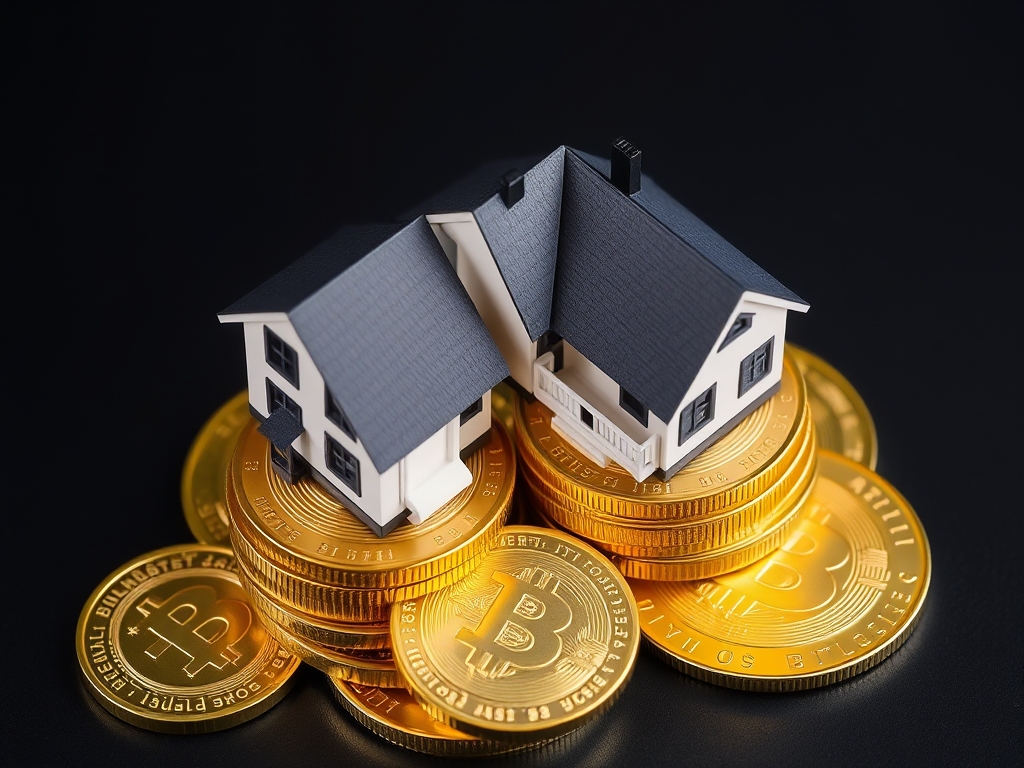
The financial landscape is undergoing a seismic shift, driven by decentralized ledger technology. Recent analyses suggest that the global real estate market, historically the bedrock of wealth accumulation, remains largely inaccessible to individuals with modest capital reserves. This necessitates a radical evolution in asset structuring. Our mandate today is to dissect how Tokenized Real Estate Investment is dismantling these historical barriers, providing sophisticated, fractional access to previously locked asset classes, and fundamentally democratizing high-value investment streams for the retail participant.
Foundational Context: Market and Trend Analysis
The traditional real estate sector demands significant upfront capital, high transaction costs, and often relies on localized liquidity pools. Current market trends indicate a growing appetite, particularly among digital-native demographics, for liquid and globally diversified assets. This is where tokenization emerges not as a niche technology, but as an infrastructural upgrade. We are observing a confluence of regulatory maturation and platform innovation designed to comply with established securities laws while leveraging blockchain efficiency. This convergence suggests that within the next five years, tokenized assets will account for a measurable percentage of global private market transactions, making fractional property ownership a standard investment vehicle rather than an experimental one.
Core Mechanisms & Driving Factors
Understanding the architecture behind tokenized assets is crucial for recognizing their inherent advantages over conventional investment trusts or direct ownership models. The success hinges on specific technological and administrative efficiencies.
- Asset Digitization: The physical property title or equity stake is represented by a smart contract on a distributed ledger, creating a digital twin of the asset.
- Programmable Compliance: Smart contracts automate adherence to jurisdictional regulations (e.g., KYC/AML checks) directly within the token distribution, reducing administrative overhead significantly.
- Liquidity Enhancement: By dividing high-value assets into granular tokens, the secondary market access is dramatically improved, facilitating easier entry and exit for investors holding fractional property ownership.
- Transparency and Immutability: All ownership records and transactional histories are permanently recorded on the blockchain, fostering unprecedented levels of investor trust.
Tokenization transforms illiquid, opaque assets into standardized, programmable financial instruments. This procedural overhaul is the primary value driver for the modern investor seeking reliable online income streams.
The Actionable Framework: Implementing Tokenized Investment Strategies
For the astute investor examining tokenized real estate investment, successful integration requires a disciplined, multi-stage approach that spans due diligence to portfolio management.
Step 1: Rigorous Platform Vetting
The credibility of the sponsoring platform dictates the security of your capital. Verify their regulatory standing, auditing procedures, and custodial arrangements. Expert Insight: Focus less on platform marketing and more on the on-chain residency and smart contract audits.
Step 2: Asset Class Specific Due Diligence
Do not assume tokenization equals inherent asset quality. Analyze the underlying property: location demographics, projected cash flow, and existing management structure. A poorly performing physical asset tokenized is still a poorly performing asset.
Step 3: Managing Fractional Portfolio Dynamics
Utilize the inherent divisibility to build a diversified portfolio across geographical regions and property types (e.g., residential versus commercial REIT-backed tokens). This diversification strategy shields capital from localized economic shocks.
Analytical Deep Dive & Performance Benchmarks
While exact figures are fluid and context-dependent, synthesized data consistently points toward reduced transactional friction as the core performance differentiator. Traditional property transactions can incur closing costs and intermediary fees ranging from 5% to 10% of the asset value. Tokenization significantly compresses this structure. Platforms leveraging blockchain efficiency often report reduction in management overhead by up to 40% compared to traditional structures, which translates directly into higher net yields distributed back to the token holders. This optimization directly impacts the profitability metrics associated with online income streams derived from real estate.
Strategic Alternatives & Adaptations
While direct token purchasing is the primary entry point, sophisticated financial architects must consider supplementary avenues for engagement within this ecosystem.
- For Beginners: Focus solely on purchasing tokens representing established, income-generating assets with proven track records. Prioritize platforms offering clear secondary trading avenues for easy exit.
- For Intermediate Practitioners: Explore participating in the governance tokens associated with the issuing platforms themselves, thereby gaining exposure to the growth of the entire digital commerce framework.
- For Experts: Engage in structuring services—assisting developers or asset owners with the legal and technical framework required to tokenize their own high-value portfolios, creating a B2B revenue channel.
Validated Case Studies & Real-World Application
Consider the hypothetical but representative example of a $10 million Class-A multi-family development in a tertiary metropolitan area. Traditionally, this required private equity syndication closed to small capital. Via tokenization, the asset is divided into 10 million security tokens, each valued at $1.00. A small investor can purchase 500 tokens, acquiring a legitimate, auditable equity stake. This instantly grants them quarterly dividend distributions derived from rental income, mirroring institutional distribution cycles without requiring institutional entry thresholds.
Risk Mitigation: Common Errors & Pitfalls
The primary danger in this emerging field is conflating technological novelty with regulatory certainty. A critical error is ignoring jurisdiction.
- Regulatory Misalignment: Assuming a token is inherently global voids local securities laws. Always verify the offering is compliant in the investor's jurisdiction or that regulatory exemptions are clearly documented.
- Smart Contract Vulnerability: Exposure to exploits remains a real threat. Only invest in assets backed by tokens deployed on rigorously audited, established blockchain networks.
- Illiquidity Misjudgment: Some niche offerings are highly illiquid, despite the tokenization premise. Confirm the existence and depth of the secondary marketplace before committing capital for tokenized real estate investment.
Performance Optimization & Best Practices
To maximize return on investment within this structure, focus on automation and duration. Set up automated reinvestment protocols for distributed dividends, effectively compounding your ownership stake without manual intervention. Furthermore, favor assets that utilize advanced servicing mechanisms, perhaps integrating AI tools for optimized property management and tenant selection, further driving operational efficiencies.
Scalability & Longevity Strategy
The long-term viability of this asset class rests on platform migration and regulatory adaptation. A robust strategy involves backing assets whose underlying legal wrappers are designed for potential future migration to evolving regulatory frameworks, such as future DeFi protocols or evolving digital asset standards. Maintain a proactive stance on digital education regarding evolving SEC/FCA guidance, ensuring your portfolio remains compliant and future-proofed against regulatory shifts.
Synthesizing Conclusion
Tokenized real estate investment is not a speculative fad; it is the inevitable digitization of a trillion-dollar asset class. It successfully marries the stability of tangible assets with the liquidity and transparency afforded by distributed ledger technology. By adhering to stringent due diligence across technology, asset quality, and regulatory adherence, small investors can now secure genuinely high-value assets previously reserved for legacy finance. The mandate for future financial architects is clear: leverage this infrastructure to build truly diversified, efficient digital wealth portfolios.
Immediate Next Step: Identify one reputable, audited platform currently offering fractional real estate tokens compliant with your regional investment standards and review their documentation for the next quarter’s distribution schedule.
Knowledge Enhancement FAQs
What is the primary legal difference between a real estate token and a REIT share?
The primary difference lies in the underlying structure and transferability. A REIT share represents equity in a trust that owns property, often traded on traditional exchanges with established settlement times. A security token represents a direct or fractional ownership stake governed by a smart contract, potentially allowing for near-instantaneous peer-to-peer transferability governed by code, subject to built-in compliance logic.
Does tokenization eliminate all property management fees?
No. Tokenization eliminates many intermediary and transactional brokerage fees. However, the underlying physical asset still requires active management (maintenance, leasing, taxation), which is typically covered by a lower, integrated management fee embedded within the token’s distribution structure.
How does this relate to Digital Commerce strategies?
These tokens are digital assets capable of being traded 24/7 on global exchanges, fundamentally integrating real estate into the broader digital commerce landscape, enhancing velocity of capital movement compared to traditional title transfers.
Are security tokens subject to capital gains tax?
Yes. The token is recognized as an asset representing equity or debt; therefore, profits realized upon the sale of the token are subject to standard capital gains taxation rules applicable to the investor's jurisdiction, similar to selling traditional stocks or bonds.