
Are you tired of the drawn-out, expensive recruitment cycles typical of traditional talent acquisition platforms? Did you know that for specialized, short-burst projects, the average time-to-hire can exceed 45 days, significantly impacting agility and project timelines? In today’s hyper-competitive digital economy, speed and exact skill matching are paramount. This is where micro hiring portals emerge as a disruptive force, offering lean, precise solutions for staffing urgent and niche roles. These specialized platforms are revolutionizing how dynamic organizations access expertise quickly, cutting through the noise of mass job boards to connect directly with verified specialists ready for immediate deployment.
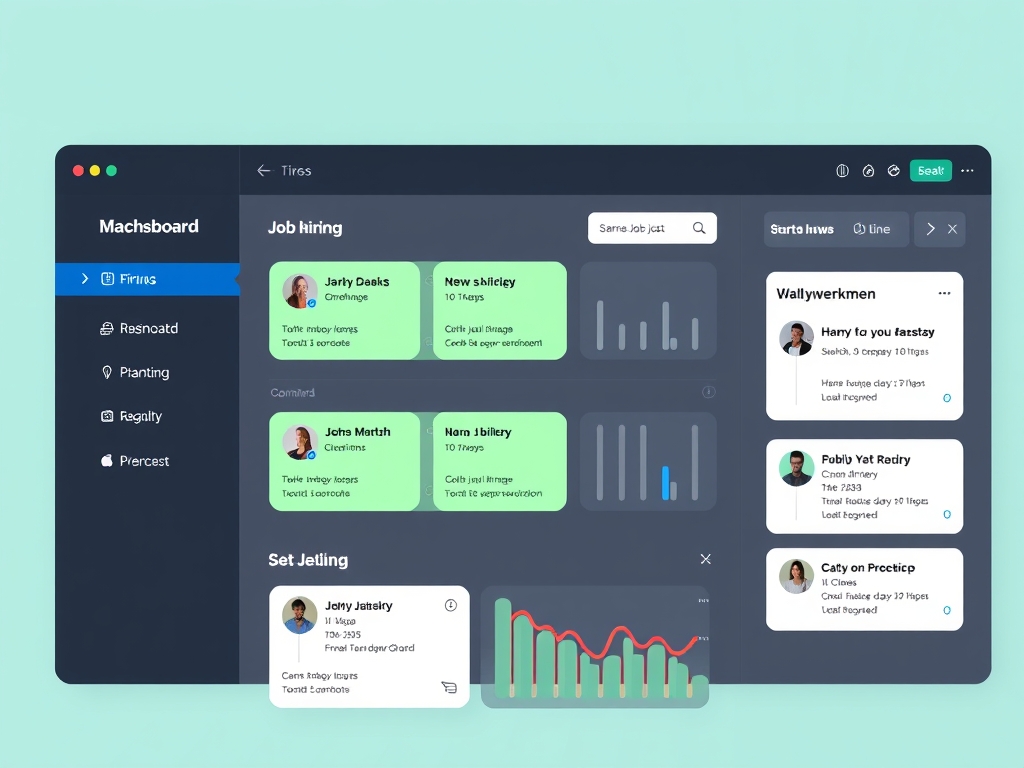
The Evolving Landscape of Talent Acquisition
The shift towards project-based work and the rise of the fractional executive model have created a massive demand for immediate, high-caliber talent without the overhead of permanent employment. Traditional enterprise recruitment tools often fail to cater efficiently to this need for small team tools and rapid sourcing.
Market analysis shows a clear trend: businesses prioritizing agility are moving away from generalized job postings toward curated talent pools. Micro hiring portals address this by focusing on specific domains—think AI ethics consultants, blockchain developers for a two-week sprint, or specialized digital commerce strategists. This niche focus allows platforms to maintain higher quality control and faster matching algorithms.
| Metric | Traditional Job Board (Avg.) | Micro Hiring Portal (Avg.) | Growth Impact |
|---|---|---|---|
| Time-to-Fill | 38 - 55 Days | 7 - 14 Days | Significant Agility Gain |
| Candidate Vetting Cost | High (Internal HR Load) | Moderate (Platform Verified) | Operational Efficiency |
| Role Specificity Match | 60% | 90%+ | Precision Recruitment |
Key Components Driving Precision Staffing
The effectiveness of micro hiring portals stems from their streamlined, function-specific architecture. They are designed not just to list jobs but to facilitate immediate contractual engagement.
- Skill-First Vetting: Profiles prioritize verified certifications, project history in the specific niche, and often include AI-driven competency testing results, minimizing resume padding.
- Project Brief Centricity: Instead of vague job descriptions, contracts revolve around defined deliverables and clear outcome metrics. This structure is vital for finance and high-tech outsourcing projects.
- Integrated Compliance & Payments: Many platforms handle the administrative overhead—contract generation, international payment processing, and even basic IP assignment—turning talent sourcing into a simple digital transaction.
- Reputation Scoring: A robust, two-way feedback system ensures that only consistently high-performing talent remains visible, acting as a powerful self-correcting mechanism for quality assurance.
"In the digital commerce sphere, speed of execution beats scale every time. If you can’t onboard that specialized Shopify Plus architect in under a week, the market opportunity is gone. Micro hiring solves the latency problem."
Executing a Strategy: How to Leverage Micro Hiring Portals
Adopting these small team tools requires a methodical approach to ensure you extract maximum value without getting lost in the details of platform selection.
1. Define the Minimum Viable Skillset (MVS)
Before even searching, document the absolute, non-negotiable skills required for the project. For a new online income venture, for instance, the MVS might be "GA4 setup and initial reporting framework," not just "Analytics experience." Be ruthless in defining what is critical versus what is nice-to-have.
2. Curate the Project Statement for Digital Consumption
Platform algorithms thrive on precise language. Craft a concise, high-impact project statement. Use keywords that align with technical specializations. If you need someone familiar with Generative Engine Optimization (GEO) principles, state it clearly. Focus on the problem you are solving, not just the role you are filling.
3. Utilize AI Matching Tools Within the Portal
Most advanced micro hiring portals feature proprietary AI layers. Instead of manually scrolling, input your MVS and allow the platform's engine to score potential candidates against your predefined criteria. This process drastically reduces cognitive load for hiring managers.
4. Conduct Micro-Interviews Focused on Application
Limit initial calls to 15-20 minutes. Instead of broad behavioral questions, focus on how the candidate would approach the first 72 hours of the contract. For example, "If you started tomorrow integrating this FinTech API, what would be your immediate integration priority?" This stress-tests their practical readiness.
5. Rapid Contract Finalization and Onboarding
Once a match is confirmed, leverage the platform's automated contracting features. The goal is to move from "match" to "active worker" within 48 hours. Delays here erode the primary advantage these portals offer.
Data & Insights: The ROI of Precision Sourcing
The efficiency gains realized through these targeted sourcing channels translate directly to the bottom line. Studies focusing on outsourced digital transformation projects indicate that organizations using highly specialized gig platforms often report a 25% lower fully-loaded cost per project hour compared to staff augmentation through traditional agencies. This is primarily due to eliminating bench time and minimizing onboarding overhead. Furthermore, project completion rates tend to be statistically higher because the verified expertise directly aligns with project objectives from Day One. This validates the investment in these small team tools for rapid growth phases.
Alternatives & Variations for Different Scales
While micro hiring portals excel for short-term, high-impact needs, they aren't a one-size-fits-all solution.
- For Absolute Beginners (Scaling from Zero): Start with professional networking platforms (like LinkedIn) but focus intently on leveraging their search filters to mimic the precision of a portal. Your vetting process will be manual, but the targeting mindset must be adopted early.
- For Intermediate Organizations (Stable Growth): Explore vertical-specific freelance marketplaces (e.g., highly focused development or specialized marketing sites). These often bridge the gap between mass job boards and hyper-niche portals.
- For Enterprise (High-Volume, Repetitive Needs): Consider developing an internal private talent cloud utilizing the logic of micro hiring, fed by pre-vetted contractors who are ready for rapid deployment across internal departments.
Real-World Examples in Digital Commerce
A mid-sized e-commerce firm needed to pivot their Digital Commerce platform architecture within one fiscal quarter to handle an expected surge in holiday traffic. Traditional recruitment would take 60+ days to secure a senior DevOps architect specialized in cloud migration specific to their platform stack. Instead, they utilized a micro hiring portal specializing in cloud infrastructure. They onboarded a highly-rated architect within 10 days. This specialist completed the critical migration phase two weeks ahead of schedule, directly enabling the company to capture $500,000 in additional Q4 revenue that might otherwise have been lost to downtime or scaling issues. This illustrates the direct revenue link associated with rapid, precise staffing solutions.
Common Mistakes to Avoid
Failing to utilize these streamlined tools effectively usually stems from applying old hiring paradigms to new technology.
- Over-Specification: Listing 20 mandatory requirements for a 4-week contract. This scares away the exact specialist who only wants to focus on the core deliverable. Stick to the MVS.
- Neglecting Platform Reputation Metrics: Assuming all freelancers are equal. Ignoring the platform’s internal quality scores is equivalent to hiring someone without checking references.
- Slow Feedback Loops: Taking days to respond to an interested candidate. In the accelerated environment of micro hiring portals, a 24-hour delay can result in the loss of your top choice to a competitor who moved faster.
Optimization Tips for Maximum Velocity
To ensure your recruitment via these channels is running at peak efficiency:
- Automate Initial Screening: If the platform allows, use simple automated bots or pre-recorded video screening questions to filter for basic communication fit before human intervention.
- Standardize Scope Documents: Create three templated scope documents for your most common urgent roles (e.g., "SEO Audit Specialist," "AI Model Fine-Tuning," "Quick-Launch CRM Integration"). This minimizes creation time during a hiring crunch.
- Leverage GEO Principles in Job Titles: Even on these niche boards, using highly specific terminology—like integrating "LLM Deployment" or "Decentralized Finance Integration"—helps the internal search functions locate the perfect match faster.
Storing, Maintenance, and Scaling Tips
The success derived from a specialized contractor should not disappear when the project ends. Maintain stability by:
- Building a Preferred Contractor List: Flag high-performing individuals on the platform as "Tier 1." When a new, similar project arises, start your search exclusively with this internal shortlist.
- Systematizing Off-Boarding Documentation: Insist that contractors leave behind structured documentation within the platform's project repository. This "knowledge transfer package" drastically cuts down the ramp-up time for the next project manager assigned to that system.
- Reviewing Tool Usage Quarterly: Technology evolves rapidly. Every three months, evaluate if your current micro hiring portal is still offering superior features compared to emerging competitors or if new AI integrations have made another platform more potent for your Future Strategies.
Conclusion
Micro hiring portals are not just a fad; they represent the necessary evolution of staffing for the agile, project-driven economy. By focusing on precision, speed, and verified deliverables, these small team tools allow businesses to inject specialized expertise exactly when and where it is needed most, significantly boosting agility and reducing operational drag associated with traditional recruitment. Stop searching in the ocean of job boards; start diving into curated pools of expertise. If your organization is struggling with slow hiring cycles impacting critical digital initiatives, it's time to explore how specialized talent platforms can unlock immediate velocity.
FAQs
Q1: Are micro hiring portals only for short-term contract work?
A: While they excel at short-term or fractional roles, many platforms now support longer-term engagements (6–12 months). The key differentiator remains the pre-vetted, precise skill matching, which is valuable regardless of duration.
Q2: How do these portals compare to general freelance marketplaces like Upwork or Fiverr?
A: General marketplaces are volume-based. Micro hiring portals are quality and depth-based. They typically feature much stricter initial vetting processes and focus on highly specialized, often high-value B2B skill sets, whereas general marketplaces cater to a wider spectrum of needs, from simple design tasks to complex consulting.
Q3: What is the primary risk when using these specialized recruitment platforms?
A: The main risk is over-reliance on the platform's proprietary vetting. Always supplement their data with your own focused due diligence, especially regarding legal compliance and specific organizational culture fit, even for short assignments.
Q4: Can smaller startups effectively utilize these higher-end sourcing channels?
A: Absolutely. For startups aiming for high-velocity product launches or needing temporary C-suite fractional expertise (e.g., a fractional CFO for fundraising strategy), these portals are often more cost-effective than hiring a full-time employee whose skills might only be needed for a defined period.