
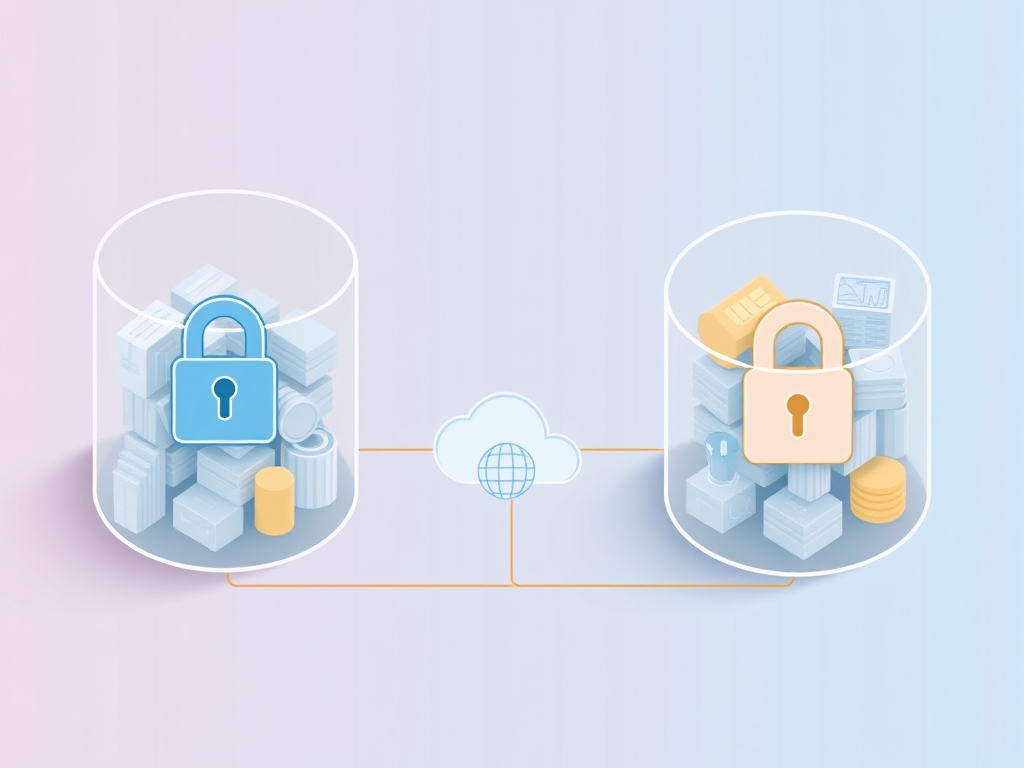
Did you know that over 80% of marketers are actively seeking ways to collaborate on data without compromising user privacy? This is the core challenge Data Clean Rooms directly address. In an era dominated by stringent data privacy regulations like GDPR and CCPA, businesses are increasingly realizing the need for secure, collaborative environments to leverage data insights while respecting user confidentiality. This article dives deep into the world of Data Clean Rooms, explaining how they facilitate privacy-safe data collaboration, and why they're becoming indispensable for modern marketing strategies.
Foundational Context: Market & Trends
The data collaboration landscape is experiencing remarkable growth. Recent reports indicate the Data Clean Room market is poised for significant expansion, with projections suggesting a multi-billion dollar valuation within the next five years. This surge is driven by several key factors:
- Growing Privacy Regulations: The increasing complexity of privacy laws is forcing businesses to find compliant data solutions.
- Declining Third-Party Cookies: The phasing out of third-party cookies compels marketers to seek alternative, first-party data strategies.
- Demand for Data-Driven Insights: Businesses need rich data to inform decisions and stay competitive.
These trends highlight the urgent need for tools that enable secure and collaborative data analysis.
Core Mechanisms & Driving Factors
Data Clean Rooms operate on a simple yet powerful principle: allow collaboration on aggregated, anonymized data without exposing the underlying individual data points. This is achieved through a controlled environment that enforces strict access controls, data transformation, and privacy rules. Key components include:
- Secure Infrastructure: Data Clean Rooms are hosted on secure, often cloud-based, platforms with robust security protocols.
- Data Masking & Encryption: Sensitive data is anonymized or encrypted before being processed or shared.
- Access Controls & Governance: Strict rules govern data access and use, ensuring compliance with privacy regulations.
- Auditing and Reporting: comprehensive audit trails help track all data access and usage, increasing transparency and accountability.
Understanding these components is essential to successfully implementing and benefiting from the Data Clean Room approach.
The Actionable Framework: Implementing a Data Clean Room Strategy
This is the key actionable step by step guide:
Step 1: Define Objectives and Data Needs
Before implementing any technology, identify your goals. What are you trying to achieve? Are you aiming to improve customer acquisition, personalize marketing campaigns, or measure the effectiveness of advertising? Also, determine the type of data you need.
Step 2: Select a Data Clean Room Provider
There are various Data Clean Room providers, each with its strengths and capabilities. Consider these factors:
- Security: Does the provider offer robust security features?
- Compliance: Does the provider comply with industry-standard privacy regulations?
- Scalability: Can the provider handle your expected data volume and growth?
- Integration: Does the provider integrate with your existing marketing tools?
Step 3: Data Onboarding and Transformation
Ingest your data into the Data Clean Room. Ensure that data is properly transformed, anonymized, and structured to align with privacy rules. Use a process that ensures data security and compliance.
Step 4: Collaboration and Analysis
Collaborate with partners within the Data Clean Room environment. Analyze the combined data sets to uncover insights and improve marketing strategies. Adhere to the set privacy rules, and only access aggregated and anonymized data.
Step 5: Activate Insights
Use insights from data analysis to improve marketing campaigns, personalize customer experiences, or develop new products. Activate the insights generated from your collaborative data analysis.
Analytical Deep Dive
According to recent industry research, companies using Data Clean Rooms have reported an average of 20% improvement in campaign performance compared to traditional methods that lack privacy considerations. This improvement underscores the power of enhanced collaboration and data insights.
Strategic Alternatives & Adaptations
Data Clean Rooms can be implemented in a variety of ways, depending on your business needs and technical capabilities:
- Beginner Implementation: Utilize a managed Data Clean Room service, which offers a user-friendly interface and pre-built integrations.
- Intermediate Optimization: Customize your Data Clean Room to meet specific data processing requirements and automate key processes.
- Expert Scaling: Integrate Data Clean Rooms with other privacy-enhancing technologies, and build custom data sharing agreements with strategic partners.
Validated Case Studies & Real-World Application
Consider a retail chain collaborating with a major media company. Using a Data Clean Room, the retailer and media company can combine their data to understand customer behavior and optimize advertising campaigns. This collaboration could lead to significant improvements in ROI for both partners, all while maintaining privacy and data security.
Risk Mitigation: Common Errors
Several common pitfalls can hinder your Data Clean Room implementation:
- Lack of Clear Objectives: Define your goals early to create effective data usage.
- Poor Data Quality: Ensure your data is clean, accurate, and properly formatted before onboarding.
- Inadequate Security Protocols: Implement robust security measures to protect sensitive data.
- Ignoring Compliance Regulations: Stay informed about relevant privacy regulations to avoid penalties.
Avoid these mistakes to ensure successful Data Clean Room implementation.
Performance Optimization & Best Practices
To maximize the benefits of your Data Clean Room, adhere to these best practices:
- Establish a Strong Data Governance Framework: Clearly define rules and policies for data access and usage.
- Prioritize Data Quality: Validate the quality of your data before starting an analysis.
- Use Data Visualization Tools: Leverage data visualization tools to analyze complex data sets easily.
- Monitor and Improve: Regularly evaluate Data Clean Room performance and adapt your strategy.
Scalability & Longevity Strategy
For long-term success with Data Clean Rooms, focus on:
- Scalability: Choose a provider that can handle the increased volume and data processing.
- Automation: Automate repetitive processes to save time and reduce errors.
- Regular Updates: Keep your Data Clean Room system updated with the latest security and compliance measures.
This helps maintain privacy while continuing to make the most of the data.
Frequently Asked Questions (FAQ)
Q1: What are the primary benefits of using a Data Clean Room?
A: Data Clean Rooms allow businesses to collaborate on data without compromising privacy, leading to enhanced insights, improved marketing performance, and increased customer satisfaction.
Q2: Are Data Clean Rooms GDPR and CCPA compliant?
A: The implementation of Data Clean Rooms aids compliance with GDPR and CCPA, as they enable data processing while protecting user privacy.
Q3: How secure are Data Clean Rooms?
A: Data Clean Rooms use a range of security measures, including encryption, access controls, and strict governance policies.
Q4: Do I need technical expertise to use a Data Clean Room?
A: Some providers offer user-friendly interfaces, but a technical team is needed to implement and manage the Data Clean Room.
Conclusion
Data Clean Rooms are more than just a passing trend; they're the new standard for ethical and effective marketing. By embracing this technology, businesses can unlock valuable insights, enhance customer relationships, and stay compliant with strict data protection regulations. The future of data collaboration is here – and it's privacy-safe.
Key Takeaways:
- Data Clean Rooms promote secure data collaboration.
- The market is experiencing considerable growth.
- Implement data clean rooms to boost your marketing campaigns.
If you’re ready to revolutionize your approach to data, explore the Data Clean Room options that align with your business objectives. Start your journey today, and be at the forefront of the future of privacy-safe marketing!