
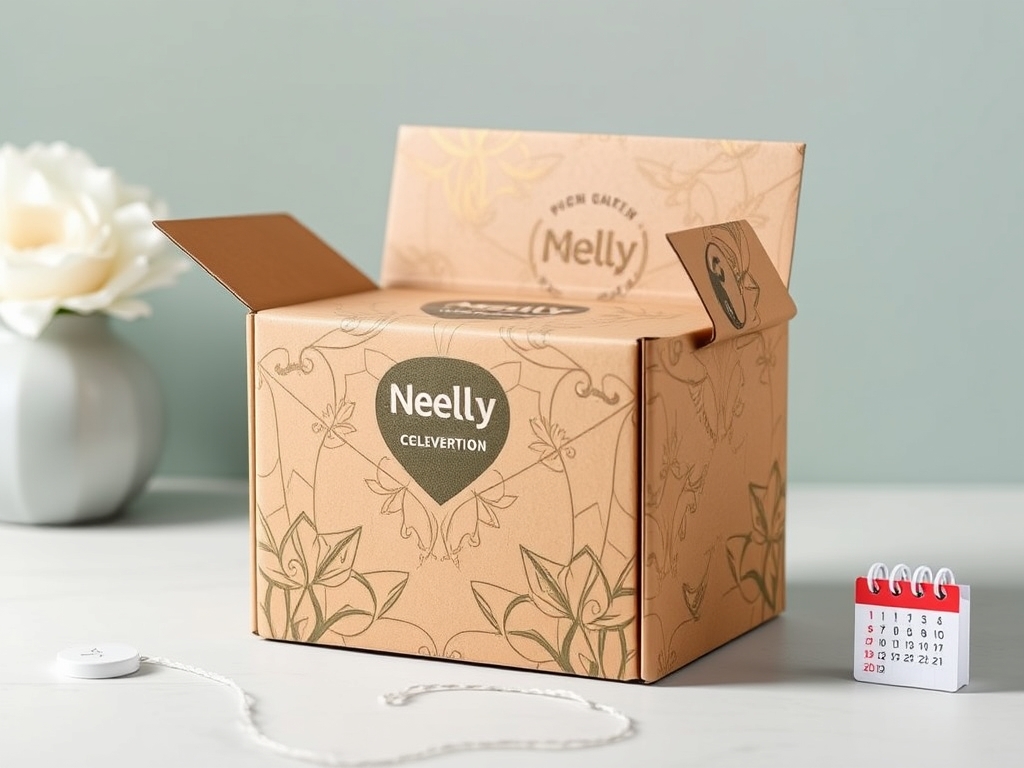
The Recurring Revenue Model: Mastering E-commerce Subscription Boxes
Did you know that the subscription e-commerce market is projected to reach over $35 billion by 2025? This staggering figure underscores the explosive growth and profitability of the e-commerce subscription box model, making it a pivotal strategy for entrepreneurs seeking sustainable, high-growth revenue streams.
Foundational Context: Market & Trends
The allure of recurring revenue is undeniable. Unlike traditional e-commerce, which often relies on sporadic purchases, subscription boxes cultivate customer loyalty and provide predictable cash flow. This model is particularly appealing in today's digital landscape, where customer acquisition costs are rising. Recent data indicates that customer lifetime value (CLTV) for subscription-based businesses is significantly higher than that of one-time purchase models. Subscription boxes also thrive on the principle of convenience and personalization, catering to consumers’ desire for curated experiences delivered directly to their doorstep.
Here's a brief snapshot of the industry's health:
| Aspect | Value |
|---|---|
| Market Size (2024 Est.) | Approximately $25 Billion USD |
| Annual Growth Rate | Projected at 15-20% |
| Top Categories | Beauty, Food & Beverage, Apparel, and Health |
Core Mechanisms & Driving Factors
The success of e-commerce subscription boxes is built upon several key pillars:
- Curated Product Selection: Choosing the right products and creating compelling boxes is paramount.
- Customer Personalization: Tailoring the experience to individual preferences drives satisfaction and retention.
- Seamless User Experience: A user-friendly website and easy subscription management are essential.
- Strategic Marketing: Effective marketing to attract and retain subscribers is critical for success.
- Efficient Fulfillment and Logistics: Ensuring timely and cost-effective delivery is key to customer satisfaction.
The Actionable Framework
Want to get started? Follow these steps to launch your subscription box!
1. Market Research & Niche Selection
Before committing to a niche, it's critical to conduct thorough market research. Assess demand, competition, and potential profitability. Identify a niche with strong market demand and a high potential for repeat purchases. Consider:
- Keyword Research: Use tools like Google Keyword Planner or SEMrush to identify popular search terms related to your niche.
- Competitive Analysis: Analyze existing subscription boxes to identify their strengths, weaknesses, and pricing strategies.
- Customer Persona Development: Create detailed customer personas to understand your target audience's needs and preferences.
2. Sourcing and Product Selection
Select high-quality products that align with your niche and target audience.
- Supplier Identification: Find reliable suppliers or vendors.
- Negotiation: Negotiate favorable pricing and terms.
- Product Testing: Test products to ensure they meet your standards.
3. Website Setup and Subscription Management
Creating a user-friendly website is crucial for easy subscriber management, consider the following points:
- Platform Selection: Choose a platform like Shopify or Cratejoy, which are designed for subscription boxes.
- Subscription Options: Offer flexible subscription options (monthly, quarterly, etc.) and pricing plans.
- Payment Integration: Integrate secure payment gateways such as Stripe or PayPal.
4. Marketing and Customer Acquisition
Attracting subscribers requires a robust marketing strategy:
- Content Marketing: Create valuable content (blog posts, videos) to attract and engage your target audience.
- Social Media Marketing: Build a strong social media presence to promote your box.
- Paid Advertising: Utilize paid advertising on platforms like Facebook and Google Ads.
5. Fulfillment and Logistics
Efficient fulfillment and logistics are key to customer satisfaction.
- Shipping Strategy: Develop a reliable shipping strategy, including packaging materials and carriers.
- Inventory Management: Implement effective inventory management to avoid stockouts.
- Customer Service: Provide excellent customer service to address inquiries and resolve issues promptly.
Analytical Deep Dive
Consider this: subscription businesses typically boast a customer retention rate that's 2-3 times higher than that of traditional e-commerce. A Harvard Business Review study demonstrated a strong correlation between customer retention and profitability. A mere 5% increase in customer retention can increase profits by 25% to 95%. This demonstrates the significant advantage recurring revenue models have over traditional models.
Strategic Alternatives & Adaptations
For Beginners, it's best to start with a simpler model using pre-packaged items. Intermediate users can consider offering customizable boxes to increase personalization. Experts can explore niche partnerships and branding to further increase revenue.
Consider the following business model alternatives:
- Build Your Own Box: Allow customers to personalize their subscriptions.
- Partnership Boxes: Collaborate with other brands.
- Upselling and Cross-Selling: Add premium products or services to boxes.
Validated Case Studies & Real-World Application
Consider Birchbox, one of the earliest success stories in the subscription box space. Birchbox's curated beauty box model, offering samples of beauty products, has achieved significant revenue growth and established a strong brand following through the element of personalization. Another example is Dollar Shave Club, which disrupted the razor market with a subscription-based model. By offering convenience, value, and a targeted customer experience, Dollar Shave Club achieved rapid growth.
Risk Mitigation: Common Errors
Avoid these pitfalls:
- Poor Product Quality: Always source high-quality products.
- Ineffective Marketing: Invest in targeted marketing strategies.
- Poor Customer Service: Respond to customer issues promptly and professionally.
- Lack of Differentiation: Differentiate your box from the competition.
- Insufficient Data Analysis: Continually analyze your data to improve performance.
Performance Optimization & Best Practices
To maximize your e-commerce subscription box performance, focus on the following:
- Customer feedback: Request ongoing feedback.
- Refine your product selection: Constantly adjust the contents of your boxes.
- Optimize for SEO: Make your site search engine friendly.
Scalability & Longevity Strategy
For sustained success, focus on scalability and long-term value:
- Automate Processes: Automate as many tasks as possible.
- Expand product lines: Add new products.
- Customer relationship management (CRM): Use a CRM system.
Conclusion
Mastering the e-commerce subscription box model offers a compelling path toward building a sustainable, high-growth business. By focusing on curated experiences, customer personalization, and efficient operations, you can cultivate a loyal customer base and secure a stream of recurring revenue.
Are you ready to build your subscription box business? Check out our list of AI tools for e-commerce.
Knowledge Enhancement FAQs
Q: What is the main benefit of a subscription box model?
A: The primary advantage is recurring revenue. This predictable income stream allows for improved financial forecasting and stability, which makes it an attractive investment opportunity.
Q: How do you choose the right niche for a subscription box?
A: Thorough market research. It's best to start with your interest and then expand to determine viability and a niche.
Q: What is the biggest challenge in running a subscription box business?
A: Customer retention. Without customer retention, a subscription box is doomed.
Q: How do I handle returns and refunds?
A: Create a clear return policy.