
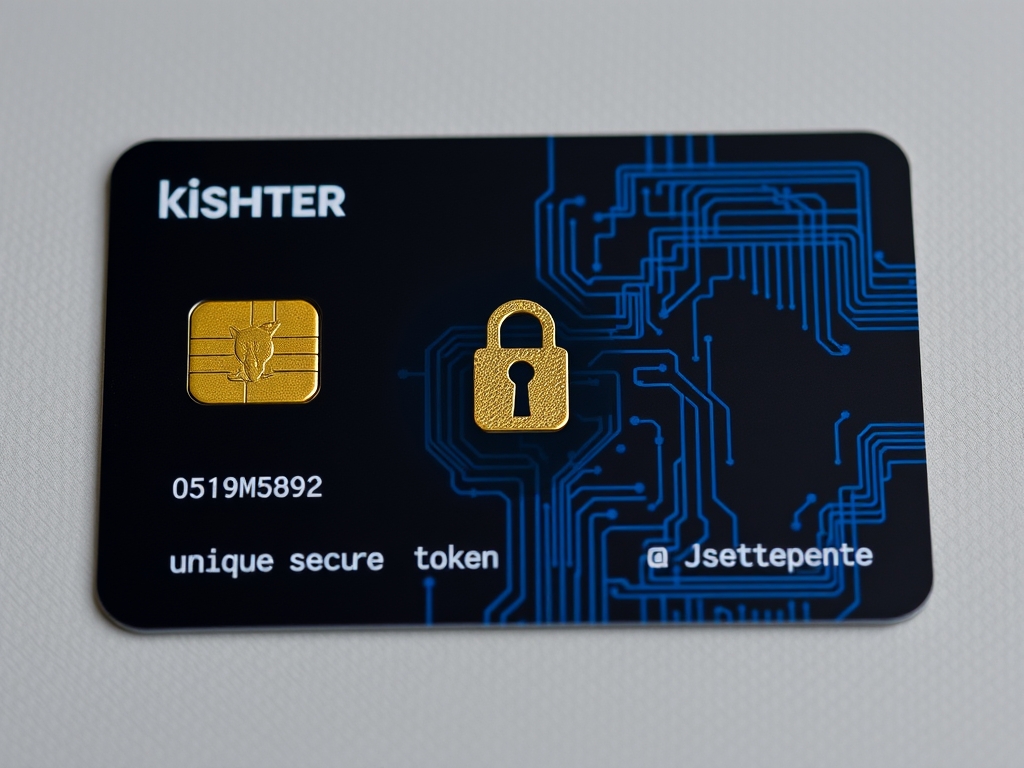
Are we on the cusp of a digital identity revolution? Recent reports suggest that Decentralized Identifiers (DIDs), the cornerstone of self-sovereign identity, could disrupt how we manage and share information online. Within the next three years, the adoption of DIDs and digital credentials is projected to increase by 45% across various sectors. This surge begs a crucial question: Are you prepared for a future where you control your digital identity?
Foundational Context: Market & Trends
The market for digital identity solutions, including DID technology, is experiencing exponential growth. A report from Gartner projects that the global digital identity market will reach $80 billion by 2028. This growth is driven by several factors, including rising cybersecurity concerns, the need for enhanced data privacy, and the demand for more efficient digital interactions.
Here’s a quick snapshot:
| Aspect | Status | Projection |
|---|---|---|
| Market Value | $40 Billion (2023) | $80 Billion (2028) |
| Annual Growth Rate | 15% | Steady |
| Key Drivers | Data privacy, cybersecurity, user control | Digital transformation, regulatory compliance |
This rapid expansion necessitates a deep understanding of DIDs and how they function.
Core Mechanisms & Driving Factors
DIDs empower individuals and organizations to control their digital identities without relying on centralized authorities. This shift brings several advantages:
- Self-Sovereignty: Individuals maintain complete control over their digital credentials.
- Enhanced Privacy: Data sharing is selective and permission-based, reducing the risk of data breaches.
- Interoperability: DIDs work across various platforms and applications, facilitating seamless interactions.
- Security: Cryptographic principles underpin the system, creating a more secure environment.
It's crucial to understand that DIDs aren't simply about creating a new ID; they are about establishing trust and verifiable data.
The Actionable Framework
Want to explore the actionable potential of digital credentials? Here’s a framework:
Step 1: Understanding the Basics
Begin by grasping the fundamentals of DIDs. They are essentially unique identifiers, managed by individuals or organizations, which don’t rely on a central registry. Instead, the DID acts as a pointer to information the DID owner controls, such as verifiable credentials.
Step 2: Choosing Your DID Method
There are different types of DID methods (e.g., blockchain-based, DIDComm-based). Select a method aligned with your needs, considering the level of decentralization, security, and interoperability.
Step 3: Implementing Verifiable Credentials
Verifiable credentials are the building blocks of the new digital identity. Design these credentials to fit your context. For example, a university may issue digital diplomas, while a business could issue verifiable work certificates.
Step 4: Secure Data Storage and Management
Decentralized storage solutions help with secure data management. Choose options that prioritize encryption and data integrity to protect your verifiable credentials.
Step 5: Integration with Existing Systems
Ensure the systems integrate with your existing infrastructure. This might involve creating APIs or using third-party services that support digital identity standards.
Analytical Deep Dive
Consider the impact of verifiable credentials in the educational landscape. A recent study found that universities that implemented digital diplomas experienced a 30% reduction in verification costs. The average time to verify a diploma, for instance, dropped from several days to mere minutes.
Strategic Alternatives & Adaptations
For Beginners, focus on understanding the core concept. For example, use a digital wallet to store verifiable credentials. This allows you to experience the process without any technical complexity.
For Intermediate Users, focus on integrating DIDs into your existing systems.
For Experts, focus on building and scaling decentralized identity solutions. This requires a profound understanding of cryptography, blockchain technology, and regulatory compliance.
Risk Mitigation: Common Errors
- Ignoring Key Management: Don't overlook the importance of secure key management.
- Lack of Interoperability: Ensure the solution works across platforms and standards.
- Poor Data Privacy Practices: Always prioritize user privacy and data security.
- Overlooking Legal and Regulatory Frameworks: Prioritize compliance to avoid legal risks.
It's critical to realize that a decentralized identity system's success hinges on rigorous security and user privacy.
Performance Optimization & Best Practices
To maximize the benefits of DIDs and digital credentials, follow these guidelines:
- Establish Strong Security Practices: Implement robust security measures at every stage.
- Ensure Interoperability: Use standard formats and protocols to ensure smooth interactions.
- Prioritize User Experience: Design systems that are user-friendly and intuitive.
- Stay Informed: Keep abreast of industry trends, updates, and evolving security threats.
Scalability & Longevity Strategy
For long-term success, focus on:
- Continuous Monitoring: Regularly audit and monitor your identity infrastructure.
- Scalability: Choose systems that can handle a large user base and transactions.
- Adaptability: Remain flexible and ready to adopt new technologies.
- Community Building: Actively engage with communities, contribute to open-source projects, and stay informed of industry trends.
Knowledge Enhancement FAQs
Q: Are DIDs and blockchain the same?
A: Not necessarily. While DIDs are often implemented using blockchain technology, they can also be used with other systems. Blockchain is a common infrastructure, but it's not the only one.
Q: What are the benefits of verifiable credentials?
A: Verifiable credentials provide enhanced security, reduce the cost of verification, and allow individuals to control their information. This leads to a more efficient and trustworthy ecosystem.
Q: How secure are DIDs?
A: DIDs are built on cryptographic principles, making them very secure. However, security depends on the implementation and adherence to security best practices.
Q: What are the use cases of DIDs?
A: DIDs have a broad range of applications, including digital identity management, supply chain verification, and secure data sharing.
Concluding Synthesis
DIDs and verifiable credentials offer a revolutionary method of managing digital identities. Their promise of security, user control, and enhanced privacy positions them as key components of the future digital economy. By understanding the core mechanics and implementing the recommended best practices, you can successfully navigate this paradigm shift.
Key Takeaways:
- DIDs are essential for creating a secure, user-centric digital identity.
- Verifiable credentials improve efficiency and build trust.
- Implementing DIDs involves understanding the different methods, choosing the right solution, and focusing on security and interoperability.
- Embrace the future of identity and become a leader in this transformative era.
Call to Action: Are you ready to embrace the power of Decentralized Identifiers? Consider exploring digital wallets like MetaMask, or researching the latest blockchain-based DID solutions. Visit our website for more information on implementing DIDs in your business model.