
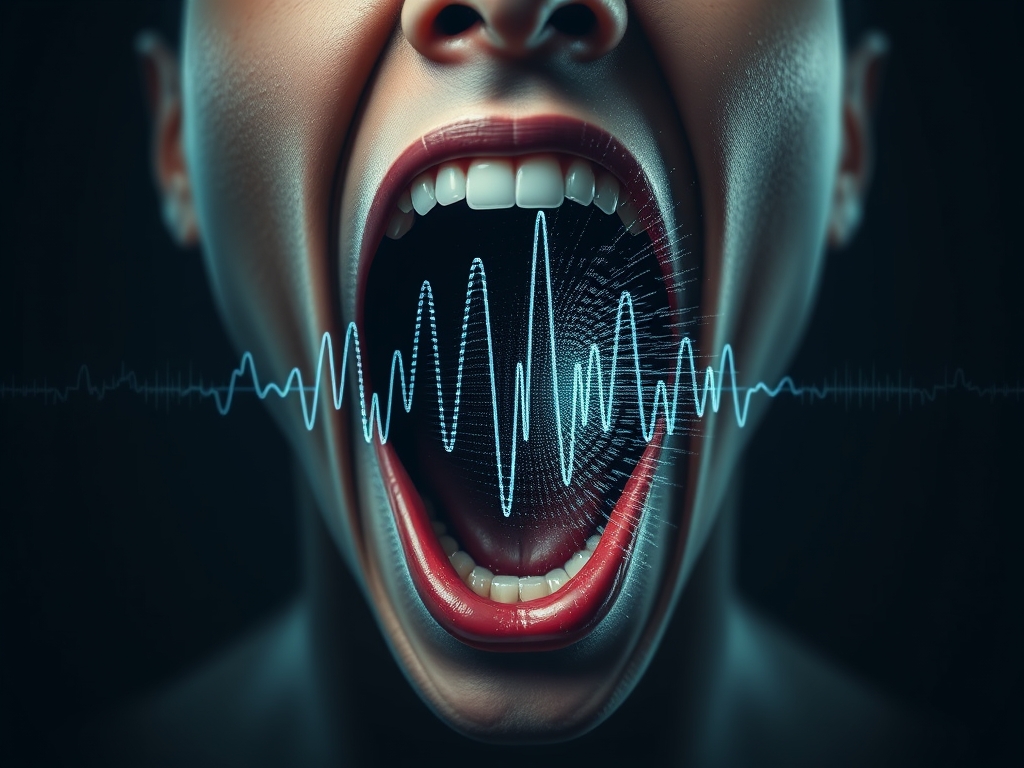
The rapid advancement of artificial intelligence has gifted us with astonishing capabilities, but along with these breakthroughs come significant ethical challenges. A startling statistic: reports of deepfake scams increased by over 1300% in 2023, according to research compiled by the Identity Theft Resource Center. This surge is directly linked to the evolving sophistication of AI voice cloning, a technology that allows for the creation of near-perfect replicas of anyone's voice. The question before us: how do we navigate a future where deception powered by AI can be so convincingly deployed?
Foundational Context: Market & Trends
The AI voice cloning market is on an exponential growth trajectory. Driven by advancements in machine learning, particularly in neural text-to-speech (TTS) technology, the market is projected to reach several billions of dollars within the next few years. This expansion is fuelled by diverse applications, including:
- Entertainment: Dubbing movies and creating personalized audio content.
- Customer Service: Generating automated responses and virtual assistants.
- Accessibility: Providing voice solutions for individuals with disabilities.
However, a shadow looms over this growth. The very technology enabling these innovative uses also empowers malicious actors. This has resulted in several emerging trends:
- Increased Regulatory Scrutiny: Governments worldwide are beginning to draft legislation to regulate the creation and dissemination of deepfakes and AI-generated content.
- Technological Countermeasures: Developers are racing to create AI-powered detection tools that can identify AI-generated voices.
- Heightened Public Awareness: There is a growing understanding of the potential dangers of AI voice cloning, leading to increased vigilance among individuals and organizations.
Core Mechanisms & Driving Factors
At its core, AI voice cloning relies on several key elements:
- Data Collection: A significant amount of audio data is needed to train AI models. This can range from hours to hundreds of hours of recordings of a target voice.
- AI Model Training: The data is fed into machine-learning algorithms, most commonly using deep learning techniques such as neural networks. These models learn the patterns, intonations, and nuances of the target voice.
- Voice Synthesis: Once trained, the model can generate audio that mimics the target voice. The quality of the output depends on the size and quality of the training data, and the sophistication of the AI model.
- Text-to-Speech Conversion: Allows for written text to be converted to speech.
The driving factors that enable the creation and dissemination of AI voice clones are:
- Advancements in AI: Breakthroughs in deep learning and natural language processing are improving the realism of AI-generated voices.
- Accessibility of Tools: Many AI voice cloning tools are now available commercially, making them accessible to anyone with an internet connection.
- Low Cost of Production: Creating a convincing AI voice clone can be achieved with relatively little financial investment.
- Social Engineering: The ease with which these tools can be used to deceive and defraud people.
The Actionable Framework: Mitigating the Risks of AI Voice Cloning
Here's a framework outlining steps to protect yourself and your organization:
Step 1: Educate Yourself and Others
Understanding the fundamentals of AI voice cloning and its potential applications is the first line of defence. This is also applicable to your friends and family.
Step 2: Verify Authenticity
When you receive a communication that you are unsure of, treat it with caution. Here's a quick checklist to verify its authenticity:
- Cross-Reference Information: Confirm details in a message through other trusted channels.
- Be Skeptical of Urgency: Deepfakes often use time pressure to influence behaviour.
- Contact Sources Directly: If in doubt, reach out to the alleged sender through a known contact method.
Step 3: Implement Security Protocols
For businesses, strengthen your security posture. This includes:
- Multi-factor authentication for sensitive accounts.
- Training employees to identify potential scams.
- Implementing robust communication and verification processes.
Step 4: Utilize Anti-Deepfake Technology
Several tools can help detect AI-generated content. Research and implement anti-deepfake technology solutions. While not foolproof, these tools add an additional layer of protection.
Analytical Deep Dive
The emergence of AI voice cloning has created a complex web of ethical and legal concerns. Consider these points:
- Financial Impact: As reported by the FBI, victims of voice-cloning-enabled fraud have lost millions of dollars.
- Reputational Damage: Individuals and organizations alike may be harmed by defamatory AI-generated content.
- Erosion of Trust: The ability to convincingly replicate voices undermines trust in online communications.
Strategic Alternatives & Adaptations
For those unfamiliar with the tech, consider these:
- Beginner Implementation: Begin by installing and learning anti-deepfake software to verify audio authenticity.
- Intermediate Optimization: Incorporate voice verification systems and staff training programs on your business strategy.
- Expert Scaling: Collaborate with cyber security specialists to integrate deepfake detection tools within your broader security framework.
Validated Case Studies & Real-World Application
Here are a few powerful examples:
- Business Email Compromise (BEC): Criminals cloned the voice of a CEO to instruct an employee to transfer funds, costing the company hundreds of thousands of dollars.
- Political Propaganda: Deepfake audio was used to spread misinformation, impacting elections and public opinion.
- Celebrity Impersonation: AI voice cloning has been used to impersonate celebrities to promote scams or generate controversy.
Risk Mitigation: Common Errors
Here’s where people get tripped up:
- Overconfidence: Not believing that you will be targeted.
- Ignoring Suspicious Signals: Dismissing subtle cues that the communication is not legitimate.
- Lack of Verification: Failing to independently verify information before acting on it.
Performance Optimization & Best Practices
To enhance your defence:
- Stay Informed: Keep abreast of the latest AI developments and deepfake detection technologies.
- Be Vigilant: Question any communication that raises even a slight suspicion.
- Report Incidents: Report any suspected deepfake activity to the appropriate authorities.
Scalability & Longevity Strategy
Here are the key aspects of long-term success:
- Establish a Crisis Response Plan: Prepare a plan of action if your voice or likeness is compromised.
- Foster a Culture of Awareness: Promote a culture of awareness of cyber security threats.
- Embrace Technological Advancements: Stay current with the development of detection tools.
Conclusion
The evolution of AI voice cloning represents a formidable challenge to our digital landscape. However, by understanding the mechanics of these technologies, educating ourselves, and implementing robust security measures, we can mitigate the risks and protect ourselves from those who would use AI for malicious purposes.
Key Takeaways:
- AI voice cloning is a rapidly advancing technology.
- Deepfakes are a real and growing threat.
- Awareness, education, and vigilance are your best defence.
Knowledge Enhancement FAQs
Q: How can I tell if a phone call uses AI voice cloning?
A: There are several clues: the voice may sound robotic, intonation may be unnatural, and there may be glitches or background noise. If you suspect anything is wrong, request to speak with the person directly.
Q: Are there any tools to detect AI voice cloning?
A: Yes, there are several detection tools available, including AI-powered voice analysis software. These are not completely foolproof, however.
Q: What legal protections are available to protect against AI voice cloning?
A: Laws are emerging to criminalize the creation and distribution of deepfakes, but laws are uneven. Consult with an attorney in your area.
Q: What can I do if someone uses my voice for deepfake purposes?
A: Report it to the platform where it was published, law enforcement agencies and, if applicable, the company that provides the AI voice cloning tools.
Call to Action
Ready to fortify your digital defences? Explore the latest developments in AI security, check out AI tools that can help with digital content verification, and sign up for our newsletter to stay ahead of the curve.