
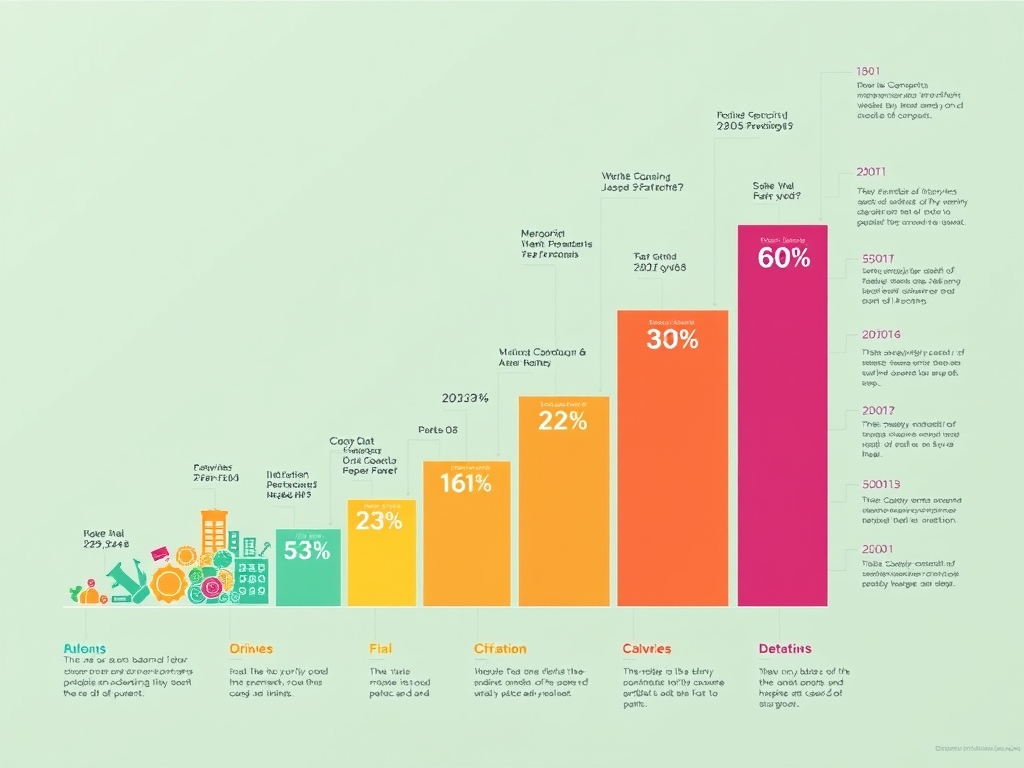
Did you know that 90% of all data created up to 2023 was created in the last two years? This staggering figure, sourced from a study by the World Economic Forum, underscores a fundamental shift in the digital landscape: we are drowning in data. But are we truly understanding it? The ability to translate these raw numbers into compelling narratives – data storytelling – has become a critical skill, particularly in a world driven by informed decision-making. This article will explore how to master the art of data storytelling, transforming complex information into accessible insights.
Foundational Context: Market & Trends
The market for data visualization and analytics tools is experiencing explosive growth. According to Gartner, the business intelligence and analytics market is projected to reach $35.6 billion by 2027, demonstrating the increasing importance businesses place on deriving insights from their data. The evolution of data storytelling is driven by several key trends:
- Democratization of Data: Increased accessibility of analytics tools and platforms makes data analysis possible for individuals across different skill levels.
- Emphasis on Actionable Insights: Businesses are no longer satisfied with just receiving raw data; they want insights that drive actions and business decisions.
- Rise of Interactive Visualizations: Interactive dashboards and data visualization tools provide deeper engagement and better understanding of complex data.
To illustrate the potential for transformation, let's examine a simplified comparison chart:
| Feature | Traditional Reporting | Data Storytelling |
|---|---|---|
| Primary Focus | Data Presentation | Insight Communication |
| Audience | Technical Teams | Wide Range of Audiences |
| Engagement | Low | High |
| Decision-Making | Reactive | Proactive |
Core Mechanisms & Driving Factors
Mastering data storytelling involves more than simply presenting data; it's about crafting a narrative that resonates with your audience. Several core mechanisms drive effective data storytelling:
- Understand Your Audience: Know who you are talking to. Are they technical experts or laypeople? What are their goals and concerns? Tailor your narrative to their level of understanding.
- Choose the Right Data: Don't try to tell everything. Focus on the most relevant data that supports your message. Irrelevant data can confuse and dilute your message.
- Select the Best Visualizations: Charts, graphs, maps, and infographics, should be chosen to accurately and effectively represent your data.
- Craft a Compelling Narrative: Structure your story with a clear beginning, middle, and end. Start with the problem or opportunity, present the data as evidence, and conclude with actionable insights.
- Provide Context: Always interpret the data and explain its significance. Don't just show numbers; explain what they mean.
Analytical Deep Dive
Consider the effectiveness of different chart types. A recent study by the University of Michigan indicates that simple bar charts and line graphs are understood significantly more quickly and accurately than complex 3D charts or pie charts with too many segments. This study underscores the importance of visual clarity when communicating with data. In a world where attention spans are shrinking, simplifying the message is more important than ever.
Strategic Alternatives & Adaptations
Adapt your data storytelling approach based on your audience's technical proficiency:
- Beginner Implementation: Use basic chart types (bar, line, pie). Focus on simple explanations and clear takeaways. Use familiar examples.
- Intermediate Optimization: Incorporate more sophisticated visualizations (scatter plots, heatmaps). Teach them to understand basic statistical concepts, and show the power of interactive dashboards.
- Expert Scaling: Employ advanced techniques like narrative visualizations and augmented analytics. Demonstrate the power of predictive analytics, advanced data modeling, and show them how to use AI-driven insights to make quicker and more informed decisions.
Risk Mitigation: Common Errors
Several pitfalls can undermine your data storytelling efforts:
- Overcomplicating the Visualization: Resist the urge to use overly complex charts. Focus on clarity, not flashy visuals.
- Lack of Context: Always provide clear interpretations. Never assume your audience will intuitively understand the data.
- Biased Presentation: Be transparent. Don't manipulate the data or cherry-pick information to support a predetermined conclusion.
- Ignoring the Audience: Failing to tailor your story to your audience’s needs can lead to disengagement and failure.
- Using too much or too little data: Too little data will leave your conclusions unsupported, while too much data confuses your audience.
Performance Optimization & Best Practices
To maximize the impact of your data storytelling:
- Test and Iterate: Seek feedback on your visualizations and stories. Refine your approach based on audience reactions.
- Emphasize Key Insights: Make the key takeaways unmistakable. Use bold text, annotations, or callouts to guide your audience's attention.
- Prioritize Visual Clarity: Simplify your charts. Use clear labels and avoid visual clutter.
- Integrate Data Across Platforms: Use APIs to share your insights across internal, external, and mobile platforms.
Concluding Synthesis
Data storytelling is not just about presenting data; it's about connecting with your audience, driving understanding, and facilitating impactful action. By mastering the core mechanisms and adopting best practices outlined in this article, you can transform your raw data into powerful narratives that drive results. The key is to remember: data without a story is just noise.
Ready to start transforming your data into compelling narratives? Explore our free guide on advanced data visualization techniques, which covers the latest tools and best practices. [Link to the Guide]