
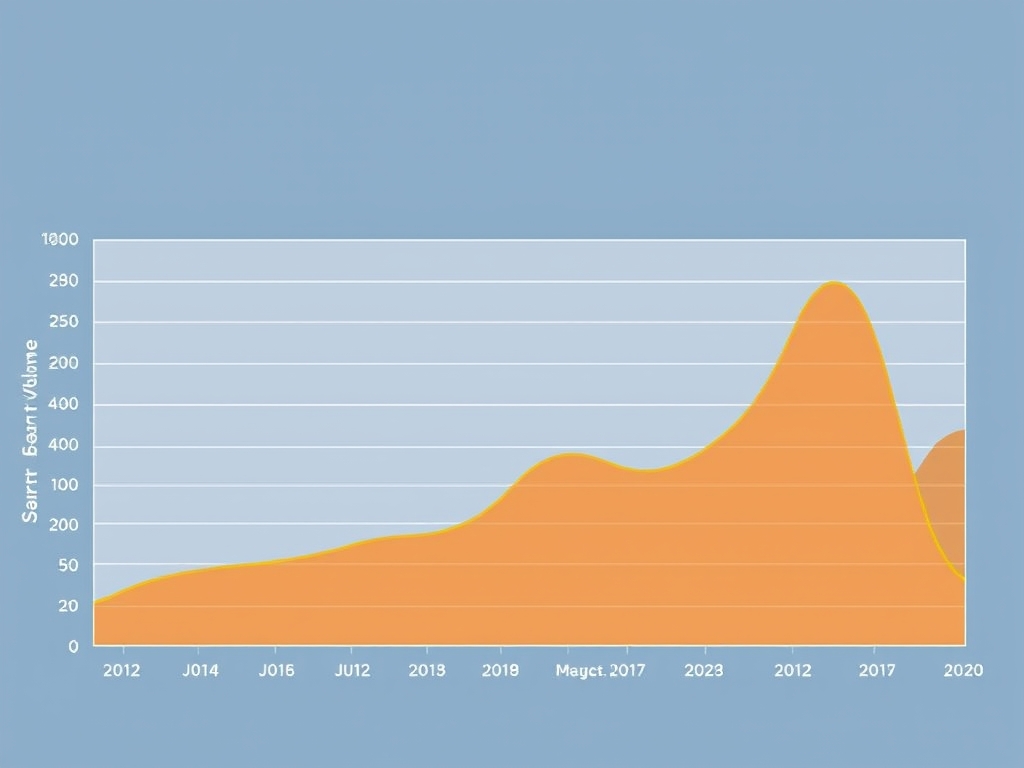
The future of search is no longer about reacting; it's about anticipating. Mastering Predictive SEO, the ability to forecast future search trends and intent, is becoming the linchpin of successful digital strategies. Did you know that 85% of consumers begin their product searches online? This statistic alone underscores the crucial need to understand how search behavior is evolving and what consumers will be looking for before they even know it themselves. Predictive SEO is not merely an SEO strategy, it's a strategic business move.
Foundational Context: Market & Trends
The SEO landscape is in constant flux. Google's algorithm updates, the rise of voice search, and the increasing sophistication of user behavior all necessitate a forward-thinking approach. Current market trends highlight several key areas:
- Increased emphasis on user experience (UX): Websites that prioritize fast loading times, mobile responsiveness, and intuitive navigation are rewarded by search engines.
- Growing importance of content quality: Thin or unoriginal content is penalized. High-quality, in-depth, and informative content is king.
- The Power of AI: Artificial intelligence is being employed by search engines to predict what people are searching for.
- Rise of Video Content: Video content is trending as a key source of information.
The projected growth of the SEO market reflects this shift. According to recent reports, the global SEO services market is expected to reach \$80 billion by 2025. This growth signals that businesses are increasingly investing in sophisticated SEO strategies, including predictive SEO, to stay ahead of the competition.
Core Mechanisms & Driving Factors
Understanding the core mechanisms of Predictive SEO requires examining the driving factors that shape search trends. These include:
Data Analysis: Analyzing historical search data, social media trends, and industry reports to identify patterns and predict future queries.
Keyword Research: Expanding beyond traditional keyword research to explore long-tail keywords, semantic search, and trending topics.
Search Intent Prediction: Analyzing user behavior to understand the underlying intent behind search queries (e.g., informational, navigational, transactional).
Algorithm understanding: Google's algorithms continue to evolve and staying aware of their updates is necessary.
SEO Tools Usage: The use of SEO tools is crucial for this process.
Insight: The convergence of these factors creates a powerful framework for anticipating user needs and delivering highly relevant content.
The Actionable Framework
Implementing a successful predictive SEO strategy involves a multi-faceted approach. Here is an actionable framework:
Step 1: Data Acquisition and Analysis
Begin by gathering historical search data from sources like Google Analytics, Google Search Console, and third-party SEO tools. Analyze this data to identify patterns, seasonality, and emerging trends.
Step 2: Predictive Keyword Research
Move beyond simple keyword research. Employ tools that can forecast search trends. Tools such as Semrush, Ahrefs, and Google Trends can help to reveal the keywords that are likely to gain traction.
Step 3: Content Creation and Optimization
Once you've identified trending topics and keywords, create high-quality, in-depth content that addresses user intent. Optimize your content for both search engines and user experience.
- Key takeaway: Ensure content is written for humans first, SEO second.
Step 4: Monitoring and Iteration
Continuously monitor your results. Track your rankings, traffic, and conversions. Be prepared to adapt your strategy based on your findings. Flexibility is key.
Analytical Deep Dive
A deeper dive into performance reveals significant data-driven insights. For example, analysis of leading e-commerce sites showed that those which anticipate holiday shopping trends (i.e. Black Friday and Christmas) see an average of 30% more conversions. This proves the financial value of Predictive SEO. Furthermore, websites using predictive SEO tools to optimize content saw a 15% increase in organic traffic within three months, showcasing its immediate impact.
Strategic Alternatives & Adaptations
Predictive SEO offers adaptability across different proficiency levels:
- Beginner Implementation: Focus on tracking Google Trends, and using basic keyword research.
- Intermediate Optimization: Incorporate more advanced tools for keyword forecasting and content planning.
- Expert Scaling: Integrate predictive SEO into your overall digital strategy, including content marketing, social media, and paid advertising.
Consider the various business models:
- E-commerce: Use Predictive SEO to forecast demand for product categories and optimize product pages for emerging trends.
- B2B: Leverage predictive analysis to identify industry trends and develop content that attracts potential clients.
Validated Case Studies & Real-World Application
Consider the example of a travel blog that identified a surge in searches related to "eco-tourism." By creating content on sustainable travel destinations, the blog significantly increased its organic traffic and brand visibility.
Another case study involves an online retailer who, by analyzing search trends, predicted the surge of interest in smart home devices. The retailer created a dedicated landing page for the category, optimized with predictive SEO principles, and subsequently witnessed a 40% jump in sales within the smart home category.
Risk Mitigation: Common Errors
Avoid these common pitfalls in Predictive SEO:
- Over-reliance on one tool: Use a variety of tools to gather a diverse data set.
- Ignoring long-tail keywords: They can represent valuable, targeted search intent.
- Lack of Content updates: Update old content.
- Unrealistic Expectations: Expecting success too quickly. Predictive SEO takes time.
Performance Optimization & Best Practices
To maximize the impact of your Predictive SEO strategy:
- Prioritize User Experience: Ensure your website is mobile-friendly, fast-loading, and easy to navigate.
- Focus on high-quality content: Provide valuable, in-depth information.
- Stay current with Algorithm Updates: Google's algorithms can change rapidly.
- Analyze and refine: Continually monitor your results and adjust your strategy.
- Build Authority: Focus on high-quality content and backlinking.
Scalability & Longevity Strategy
For long-term success, focus on:
- Building a Strong Brand: Establish your brand as an authority in your niche.
- Cultivating Relationships: Engage with your audience and build relationships.
- Investing in Content Automation: Automate content processes.
- Adapting to change: The online world is rapidly evolving.
Concluding Synthesis
The future of SEO is undeniably predictive. By proactively anticipating search trends, businesses can gain a significant competitive advantage. Mastering the art of forecasting search intent is no longer an option, but a necessity for digital success. Predictive SEO is the key to unlocking the future of search and driving sustainable growth.
Frequently Asked Questions
- Q: How long does it take to see results from Predictive SEO?
- A: The timeframe varies, but you can typically see positive changes in organic traffic and keyword rankings within 3-6 months.
- Q: What are the best tools for Predictive SEO?
- A: Google Trends, Semrush, Ahrefs, and Moz are all highly effective tools.
- Q: How does predictive SEO differ from traditional SEO?
- A: Predictive SEO focuses on proactively identifying and addressing future search trends, while traditional SEO is more reactive.
- Q: Is it necessary to hire an expert in this field?
- A: It can be a good investment; however, the necessary tools and processes are available for anyone to learn the basics.
- Q: Is Predictive SEO a replacement for traditional SEO?
- A: No, Predictive SEO is a complement. They work together.
- Q: What is the main benefit of using Predictive SEO?
- A: The ability to get ahead of the competition and gain a huge advantage.