
Did you know that 75% of marketing professionals report challenges in accessing and leveraging first-party data due to privacy regulations and platform changes? This is where Data Clean Rooms emerge as a crucial solution, enabling privacy-safe data collaboration and unlocking new opportunities for marketers. This article explores how data clean rooms are transforming the landscape of digital marketing, offering actionable insights for businesses looking to enhance their advertising effectiveness while respecting consumer privacy.
Foundational Context: Market & Trends
The data privacy landscape is undergoing a dramatic shift. Regulations like GDPR and CCPA, coupled with browser updates and the deprecation of third-party cookies, are forcing businesses to rethink their marketing strategies. This has resulted in a surge of interest and investment in technologies that enable privacy-compliant data sharing.
The market for data clean rooms is projected to experience substantial growth. Analysts predict a compound annual growth rate (CAGR) of over 20% in the next five years, driven by the increasing need for secure and compliant data collaboration.
| Market Trend | Implication |
|---|---|
| Privacy Regulations | Increased adoption of privacy-preserving technologies |
| Cookie Deprecation | Rise in first-party data strategies and clean rooms |
| Demand for Data-Driven Insights | Need for secure data collaboration platforms |
Core Mechanisms & Driving Factors
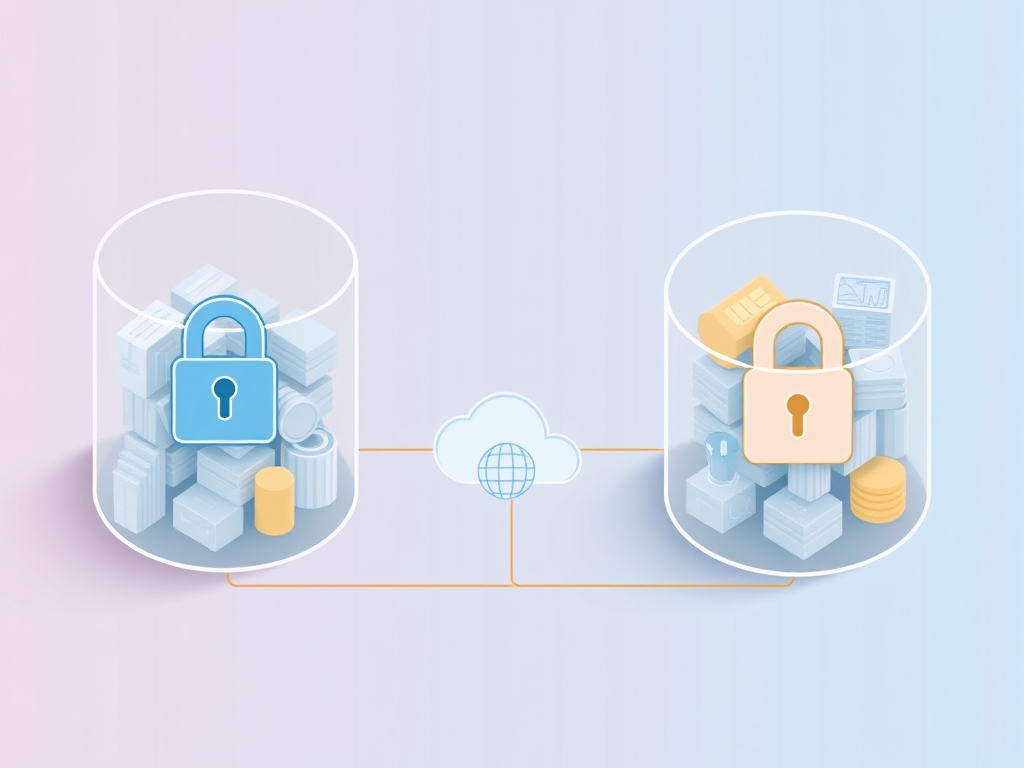
Data clean rooms function by creating a secure environment where different parties can share and analyze data without directly exposing the raw data. The core mechanisms include:
- Secure Data Storage: Hosting data in a protected environment with robust security measures.
- Access Controls: Granular control over who can access and manipulate data.
- Data Transformation: Capabilities for anonymizing, aggregating, and transforming data.
- Auditing and Compliance: Tools for monitoring data access and ensuring compliance with regulations.
The driving factors behind their adoption are:
- Privacy Compliance: Adhering to strict data privacy regulations.
- Improved Targeting: Enhancing the accuracy of advertising campaigns.
- Data Collaboration: Enabling secure data sharing between partners.
- Enhanced Measurement: Improving the ability to measure campaign effectiveness.
The Actionable Framework: Implementing Data Clean Rooms
Step 1: Define Your Objectives and Use Cases
Before implementing a data clean room, clearly define your goals. Consider what kind of collaborations you want to enable, like:
- Audience overlap analysis: Identify shared customer segments.
- Campaign measurement: Assess the impact of advertising across different platforms.
- Customer journey mapping: Create a holistic view of the customer experience.
Step 2: Choose the Right Data Clean Room Provider
There are several types of data clean rooms on the market, from SaaS platforms to solutions provided by cloud providers. When selecting a provider, consider factors like:
- Data security and compliance certifications: Ensure the provider meets the necessary regulatory requirements.
- Integration capabilities: Check that the platform integrates with your existing marketing and advertising technologies.
- Ease of use: Prioritize platforms that are intuitive and easy to navigate.
- Data processing capabilities: Ensure the clean room can handle the volume and type of data you’ll be using.
Step 3: Data Ingestion and Preparation
This involves preparing your data for integration into the clean room. This includes:
- Data ingestion: Upload your data into the clean room.
- Data transformation: Anonymize and aggregate your data to ensure privacy.
- Data mapping: Align data fields from different sources to ensure compatibility.
Step 4: Configure User Permissions and Access Controls
Establish strict controls over data access. Define which users or partners can view, analyze, or manipulate data within the clean room. This involves defining roles and permissions based on user responsibilities.
Step 5: Perform Data Analysis and Generate Insights
Utilize the clean room's analytical tools to gain insights from your data. Use these insights to optimize advertising campaigns, refine customer targeting, and inform business decisions.
Step 6: Measure and Iterate
Continuously monitor performance and iterate on your strategies. Regularly review your data analysis and adjust your approach based on the findings.
Analytical Deep Dive
Consider the effectiveness: Studies show that advertisers using data clean rooms have observed, on average, a 15-20% improvement in their campaign efficiency. A recent study by Forrester indicated that businesses using data clean rooms have seen a 25% increase in their return on ad spend (ROAS).
Strategic Alternatives & Adaptations
For Beginners: Start with a pilot project using a small subset of your data. This allows you to learn the platform without significant risk. Focus on audience overlap analysis to identify shared customer segments with partners.
For Intermediate users: Explore advanced features such as predictive analytics and real-time data integrations. Partner with multiple organizations to create a more comprehensive view of your target audience.
For Expert Scaling: Integrate data clean rooms with your customer data platform (CDP) to create a unified view of customer data. Consider deploying custom data clean room solutions that offer deeper control and scalability.
Validated Case Studies & Real-World Application
A major retail brand collaborated with its suppliers in a data clean room. They were able to identify shared customer segments and improve the relevance of their advertising. This resulted in a 17% increase in conversion rates and a significant reduction in wasted ad spend.
Risk Mitigation: Common Errors
- Insufficient Data Governance: Neglecting to establish clear data governance policies can lead to misuse and non-compliance.
- Poor Data Quality: Inaccurate or incomplete data can undermine analytical insights. Always ensure data quality through regular cleansing and validation.
- Lack of Training: Failure to train users on the proper use of the platform can result in security breaches and data misuse.
Performance Optimization & Best Practices
To maximize the value of your data clean room, implement these best practices:
- Ensure data quality: Regularly clean and validate your data.
- Establish clear use cases: Define specific objectives and track progress.
- Monitor performance metrics: Continuously track key performance indicators (KPIs).
- Automate data processes: Automate data ingestion, transformation, and analysis.
- Maintain data security: Implement strong security protocols to protect sensitive data.
- Stay updated on regulations: Ensure compliance with the latest data privacy regulations.
Scalability & Longevity Strategy
For sustained success with data clean rooms, consider these strategies:
- Integrate with a CDP: This creates a 360-degree view of your customers.
- Choose a scalable platform: Select a data clean room that can grow with your business needs.
- Automate data workflows: This will improve efficiency and reduce manual errors.
- Establish a strong data governance framework: This will ensure compliance and prevent data breaches.
Knowledge Enhancement FAQs
Q: What is a data clean room?
A: A data clean room is a secure, privacy-focused environment where multiple parties can share and analyze data without exposing the raw, underlying data.
Q: What are the benefits of using a data clean room?
A: Benefits include improved advertising effectiveness, enhanced data collaboration, and compliance with data privacy regulations.
Q: Are data clean rooms compliant with GDPR and CCPA?
A: Yes, Data clean rooms can be designed and implemented to comply with GDPR, CCPA, and other data privacy regulations. However, the specific implementation must be compliant.
Q: How do I choose the right data clean room provider?
A: Evaluate providers based on their security, integration capabilities, ease of use, and data processing capabilities.