
Did you know that by 2026, the global data clean room market is projected to reach $2 billion? This rapid growth underscores the escalating need for data clean rooms, a technology that's revolutionizing how businesses collaborate on data while fiercely safeguarding consumer privacy.
Foundational Context: Market & Trends
The marketing landscape is undergoing a seismic shift. The demise of third-party cookies, stringent privacy regulations like GDPR and CCPA, and increasing consumer awareness of data security are reshaping the rules of engagement. This environment demands privacy-first solutions. Data clean rooms have emerged as a pivotal technology, enabling businesses to unlock the value of their data assets without compromising user privacy.
Here's a glimpse into the current market trends:
- Growth: The data clean room market is experiencing exponential growth, driven by the need for secure and compliant data collaboration.
- Adoption: Large enterprises and tech startups are rapidly adopting data clean rooms to support their marketing strategies and enhance data-driven decision-making.
- Innovation: There's continuous innovation in data clean room technology, with new features and functionalities being developed to meet the evolving needs of businesses.
Core Mechanisms & Driving Factors
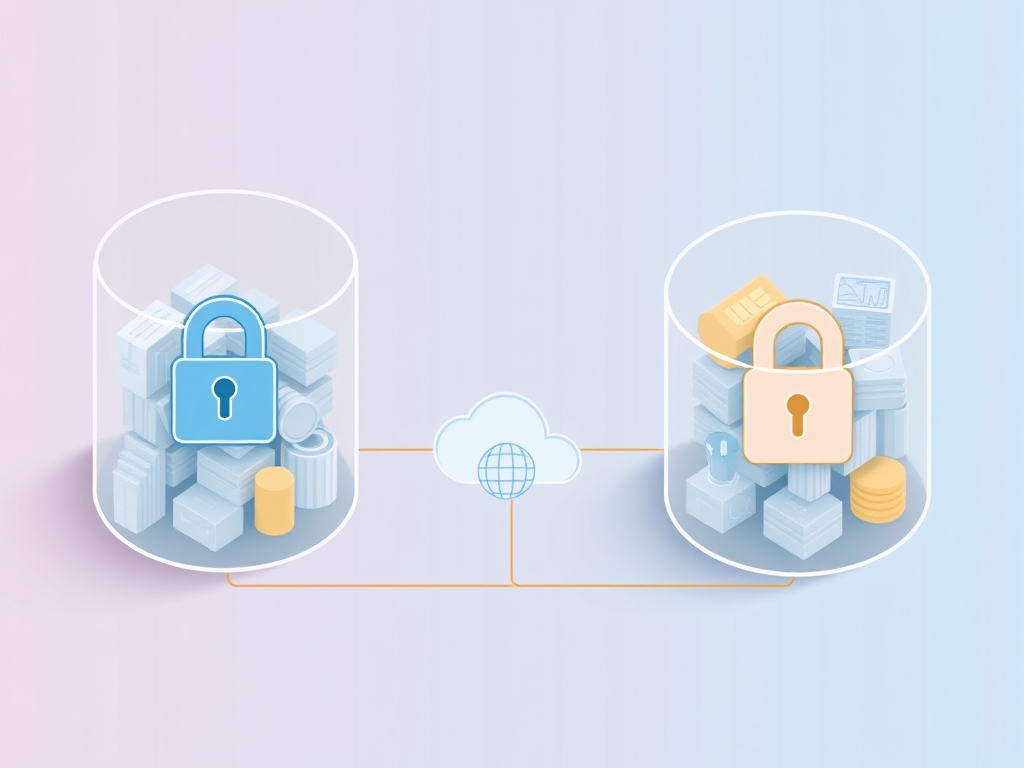
At their core, data clean rooms are secure, controlled environments where two or more parties can analyze and combine their data without directly exposing the raw data to each other. Several key factors drive their effectiveness:
- Secure Data Storage: Data is stored within the clean room environment, preventing direct access by external parties.
- Privacy-Enhancing Technologies (PETs): Utilizing techniques such as differential privacy, homomorphic encryption, and secure multi-party computation to protect data privacy.
- Access Controls: Strict controls govern which data can be accessed and what analyses can be performed.
- Compliance: Ensuring adherence to relevant privacy regulations.
The Actionable Framework: Implementing Data Clean Rooms
Implementing data clean rooms involves a structured approach. Let's break down the key steps:
Step 1: Define Objectives and Use Cases
Clearly identify your business goals. What insights do you seek from data collaboration? Common use cases include:
- Audience Overlap Analysis: Discovering shared customers between partners.
- Campaign Measurement: Evaluating the performance of advertising campaigns across multiple platforms.
- Personalized Marketing: Creating more relevant experiences for customers.
Step 2: Choose the Right Data Clean Room Provider
Various providers offer data clean room solutions. Evaluate their features, security protocols, ease of use, and compatibility with your existing tech stack.
Step 3: Data Integration and Preparation
Securely integrate your data into the clean room. This often involves cleaning, transforming, and anonymizing data. Ensure data privacy compliance throughout the process.
Step 4: Define Access Controls and Analytics
Establish strict access controls. Determine which data fields can be used for analysis and the types of analytics permitted.
Step 5: Collaboration and Analysis
Collaborate with your partners to analyze the combined data, extracting valuable insights while maintaining privacy.
Step 6: Measurement and Iteration
Measure the effectiveness of your data clean room implementation. Refine your approach based on the insights you gain.
Analytical Deep Dive
According to a recent study, businesses that utilize data clean rooms experience a 30% increase in advertising campaign effectiveness. Moreover, early adopters report higher conversion rates and improved customer acquisition costs.
Here's a comparison of data clean room adoption across different industries:
| Industry | Adoption Rate | Key Benefits |
|---|---|---|
| Retail | 45% | Personalized recommendations, inventory optimization, targeted marketing |
| Financial Services | 38% | Fraud detection, risk assessment, improved customer segmentation |
| Healthcare | 32% | Patient data analysis, clinical trial optimization, healthcare delivery improvements |
Strategic Alternatives & Adaptations
For Beginners: Start with a simple use case, such as audience overlap analysis. Focus on data ingestion and basic analytics.
For Intermediate Users: Experiment with more complex analyses, integrating data from multiple sources. Explore the advanced features offered by your data clean room provider.
For Experts: Consider developing custom data clean room solutions to meet highly specific needs. Explore advanced privacy-enhancing technologies.
Validated Case Studies & Real-World Application
Consider a retail chain that partners with a major media company. By using a data clean room, the retailer identifies a significant overlap between their customer base and the media company’s audience. The partnership then crafts targeted advertising campaigns for these shared users, resulting in a 20% lift in sales.
Another example involves a financial services company collaborating with a credit bureau. Through the data clean room, they anonymously analyze credit risk profiles, enhancing fraud detection and improving loan approval processes.
Risk Mitigation: Common Errors
- Insufficient Data Security: Implement robust security measures to prevent data breaches.
- Poor Data Quality: Clean and validate your data before uploading it to the clean room.
- Lack of Clear Objectives: Define your goals upfront to ensure you're measuring the right metrics.
- Non-Compliance: Ensure full compliance with relevant privacy regulations.
Performance Optimization & Best Practices
- Prioritize Data Privacy: Design your clean room setup with privacy as the core principle.
- Use Data Enrichment: Enrich your data with external sources to gain deeper insights.
- Focus on Actionable Insights: Derive insights that directly impact your business outcomes.
- Regularly Review and Optimize: Continuously refine your data clean room implementation.
Conclusion
Data clean rooms represent more than just a technological shift; they're a strategic imperative. They enable businesses to foster privacy-safe data collaboration, unlock valuable insights, and adapt to the evolving demands of a privacy-conscious market.
Data Clean Rooms: Key Takeaways
- Enable privacy-safe data collaboration.
- Enhance marketing effectiveness and decision-making.
- Protect consumer privacy while unlocking data value.
- Offer a competitive advantage in a privacy-first world.
Scalability & Longevity Strategy
To ensure long-term success, focus on these strategies:
- Scalability: Choose a data clean room provider that can handle the volume of data and the complexity of your analyses.
- Automation: Automate data ingestion, cleaning, and analysis processes.
- Vendor Relationships: Develop strong relationships with the provider for ongoing support and product updates.
Knowledge Enhancement FAQs
Q: What is a data clean room?
A: A secure environment where businesses can combine and analyze data without directly exposing the raw data to each other.
Q: Are data clean rooms compliant with privacy regulations?
A: Data clean rooms are designed with compliance in mind. They provide tools and mechanisms for data privacy, adhering to regulations such as GDPR and CCPA.
Q: How do data clean rooms enhance marketing strategies?
A: They enable more precise audience targeting, improved campaign measurement, and personalized customer experiences.
Q: Are data clean rooms only for large enterprises?
A: No, data clean rooms are scalable and can be tailored for businesses of all sizes, from startups to large corporations.
Q: What is the main benefit of using a data clean room?
A: The main benefit is the ability to securely share and analyze data without compromising privacy, leading to more effective marketing and business strategies.
Ready to embrace the future of marketing collaboration? Investigate our range of AI-powered tools or read more about Digital Commerce for cutting-edge strategies!