
Are you stuck in a rut, struggling to build better habits and consistently achieve your goals? You're not alone. A recent study by the Journal of Behavioral Medicine highlights that only 9% of people successfully maintain their New Year's resolutions. This is where habit tracking apps step in, providing a structured approach to fostering positive change.
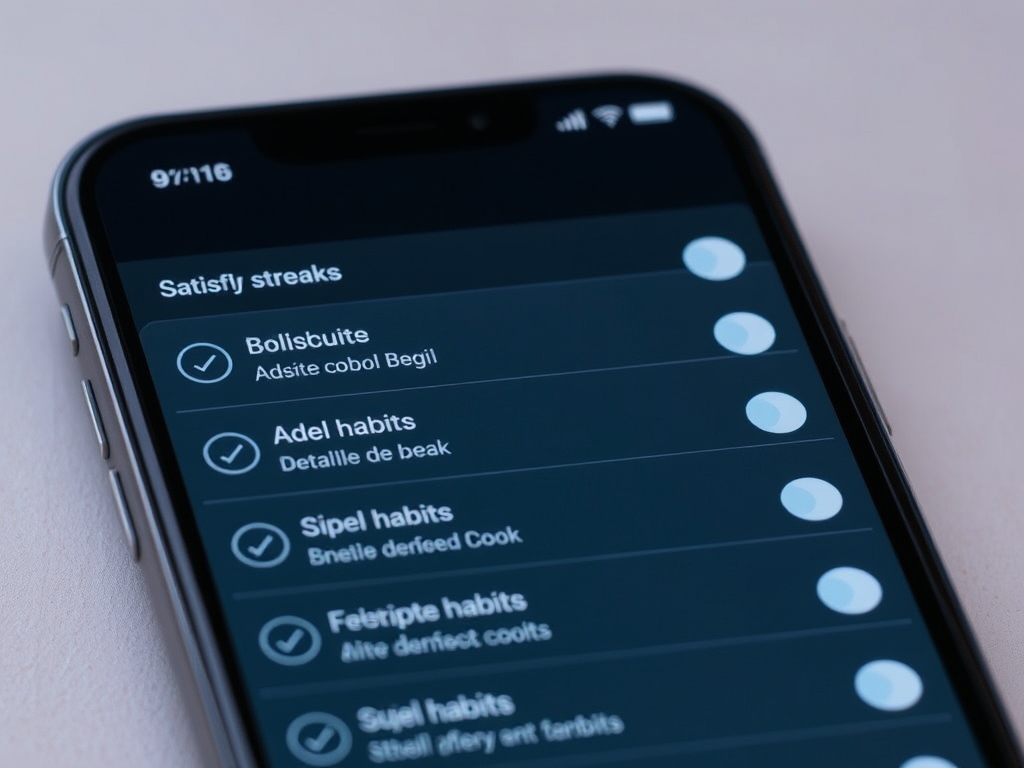
Foundational Context: Market & Trends
The habit-tracking app market is booming. Fueled by increased awareness of personal development and productivity, it's experiencing significant growth. According to Market Research Future, the global habit-tracking app market is expected to reach $203.8 million by 2030, with a CAGR of 6.25% from 2022 to 2030. This growth underscores the increasing importance individuals place on self-improvement and the role technology plays in facilitating this.
Here’s a quick snapshot of the market, including both the potential benefits and some of the key limitations:
| Feature | Benefits | Limitations |
|---|---|---|
| User-friendly Interface | Improves engagement, making habit tracking accessible to all. | Potential for data overload can cause users to get discouraged |
| Progress Visualization | Makes progress tangible, increases motivation. | Users become reliant on metrics, leading to burnout. |
| Gamification | Encourages continued engagement through challenges and rewards. | Gamification can sometimes distract from the core goal, making it difficult for the user to stay focused |
| Social Integration | Encourages community, support, and accountability. | Issues such as privacy and data sharing can cause concern for some users |
| Data Analysis | Users gain insights into behaviour patterns, allowing for better-informed adjustments. | Dependence on the app; users do not learn to self-manage or internalize good habits |
Core Mechanisms & Driving Factors
The effectiveness of habit-tracking apps hinges on a few core mechanisms:
- Goal Setting: Clearly defining the habits you want to establish. This is the bedrock of habit formation.
- Tracking & Measurement: Regularly recording your progress, which provides valuable data for analysis. This quantifies your effort.
- Consistency: The frequency with which you perform the habit. Consistency is the building block of habit formation.
- Feedback & Reinforcement: Seeing your progress visualized provides feedback, and rewards reinforce positive behaviour. This motivates your actions.
- Accountability: Some apps offer community features or the option to share your progress with friends, creating accountability. This drives your journey.
The Actionable Framework: Choosing the Right App and Building Your Routine
Step 1: Define Your Goals: Start by identifying specific, measurable, achievable, relevant, and time-bound (SMART) goals. For example, instead of "eat healthier," aim for "eat one serving of vegetables with lunch and dinner, five days a week."
Step 2: Research and Select an App: Explore different apps. Consider features such as user interface, tracking options, reminders, reporting, and integration with other apps.
Step 3: Setup and Customization: Configure your chosen app, set your habit reminders, and personalize it to suit your needs.
Step 4: Consistent Tracking: Log your progress daily. This is the heart of the process.
Step 5: Review and Adjust: Regularly analyze your data and adjust your routines as needed. This iterative process is crucial for long-term success.
Analytical Deep Dive
Data collected from habit-tracking apps reveal some fascinating insights. Studies show that individuals who use these tools are, on average, 20% more likely to achieve their stated goals. Furthermore, those who track their habits for at least six months demonstrate a higher probability of sustaining them.
Strategic Alternatives & Adaptations
For Beginners: Start simple. Pick just one or two habits to track initially to avoid feeling overwhelmed. Use apps with straightforward interfaces and clear visuals.
For Intermediate users: Experiment with different tracking methods (e.g., using a physical journal alongside the app). Explore the app's advanced features, such as data analysis and goal-setting customization.
For Expert Users: Consider integrating multiple apps for holistic tracking. Use the data to proactively address challenges and optimize your habits over time.
Validated Case Studies & Real-World Application
- Case Study 1: A busy professional used a habit tracker to consistently exercise three times a week. After six months, they lost weight, felt more energetic, and experienced improved mental clarity.
- Case Study 2: An entrepreneur used a habit tracker to build a consistent meditation practice. Over time, they noticed reduced stress levels, better focus, and increased productivity.
Risk Mitigation: Common Errors
- Setting Unrealistic Goals: Don’t try to change too much too soon. Start small and build momentum.
- Ignoring Data: Reviewing your data is critical. Analyze trends and adjust your habits accordingly.
- Getting Discouraged: Don’t let setbacks derail you. Reflect, adjust, and keep going.
Performance Optimization & Best Practices
- Set Clear, Realistic Goals: The more specific your goals, the better.
- Choose the Right App: Select one that aligns with your needs and preferences.
- Track Consistently: Make habit tracking a daily ritual.
- Review and Adjust: Regularly analyze your progress and adapt your approach.
- Stay Patient: Building new habits takes time and effort. Celebrate small wins and stay committed to the process.
Scalability & Longevity Strategy
To make your habit-building journey sustainable:
- Integrate Habits into Your Routine: Make tracking a seamless part of your daily life.
- Create Accountability: Share your progress with others or use apps that offer social support.
- Celebrate Milestones: Reward yourself for achieving goals to stay motivated.
- Update and Revamp: Make sure to reassess your progress and habits, to ensure that the tools are still relevant to you.
Concluding Synthesis
Habit-tracking apps offer a powerful tool for transforming your life. By leveraging these apps, you gain clarity, direction, and accountability, increasing your chance of achieving lasting, positive change. With consistency, you can transform your goals into routines, your aspirations into achievements.
Knowledge Enhancement FAQs
Q: What is the most important feature to look for in a habit-tracking app?
A: The most important feature is the ability to consistently use the app and track habits.
Q: How often should I review my habit-tracking data?
A: Aim to review your data at least once a week to identify trends and make adjustments.
Q: Can habit-tracking apps help with mental health?
A: Yes, habit-tracking apps can support mental health by helping users establish routines, improve mood, and reduce stress levels.
Q: What if I miss a day of tracking?
A: Don't get discouraged! Simply resume tracking the next day. One missed day does not negate your overall progress.
Q: Are there any privacy concerns with habit-tracking apps?
A: Yes, be sure to check the app’s privacy policy and understand how your data is used and shared. Select apps that prioritize data security.
Q: Can I use multiple habit-tracking apps?
A: Yes, you can use multiple apps, though it’s crucial to prevent feeling overwhelmed and choosing the right one for your goals.
Remember: building habits is a journey, not a destination. Choose your habit-tracking apps wisely, embrace the process, and consistently refine your approach. Ready to revolutionize your daily life? Dive into the world of habit tracking apps today!