
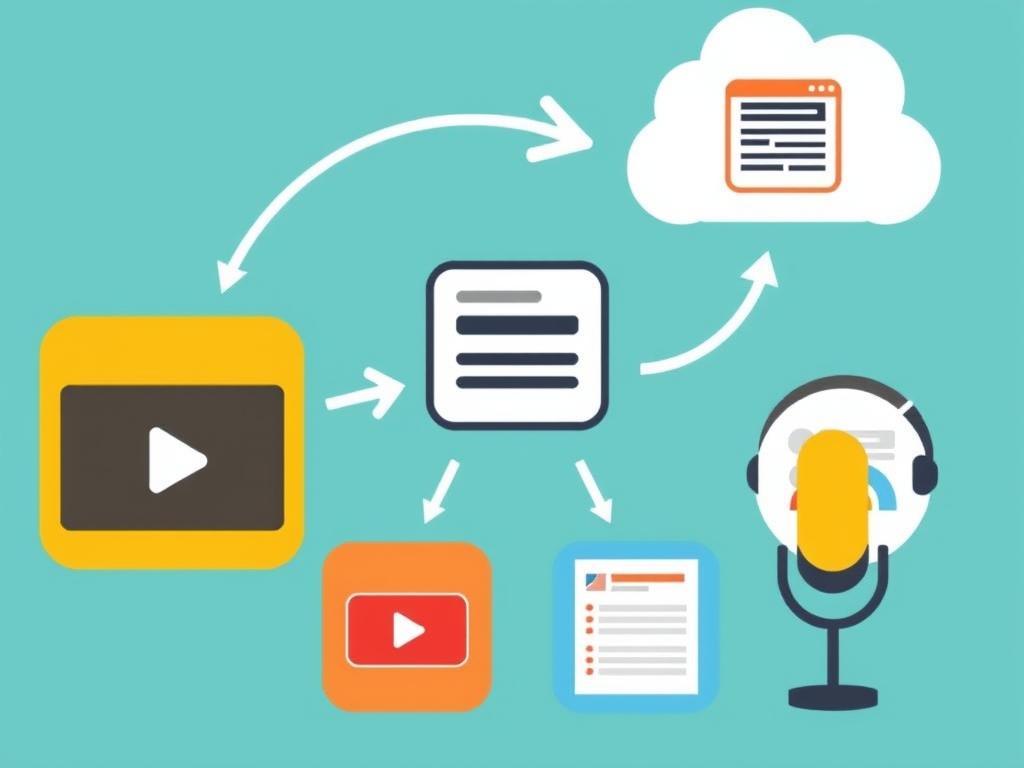
Did you know that 70% of content created by businesses goes unused beyond its initial publication? This shocking statistic highlights the massive opportunity lost by neglecting content repurposing. In today's fast-paced digital landscape, the ability to breathe new life into existing content is not just a strategic advantage; it's a necessity. This article will explore the top 10 ways to repurpose your content, maximizing its reach, impact, and ultimately, your return on investment.
Foundational Context: Market & Trends
The content marketing market is booming. Recent projections estimate a global market size of over \$400 billion by 2025. This growth is driven by the increasing demand for high-quality, engaging content that connects with audiences across various platforms. The challenge lies not in content creation itself, but in efficiently leveraging that content. Repurposing is the key.
Here's a quick look at the trends:
| Trend | Description |
|---|---|
| Video Dominance | Video content continues to dominate engagement. Short-form videos, in particular, are gaining immense traction on platforms like TikTok and Instagram Reels. |
| Podcast Popularity | Podcasts remain a highly effective channel for in-depth discussions and thought leadership. Listenership is growing consistently across all demographics. |
| Personalized Content | The demand for personalized content that caters to individual user preferences is increasing. Content personalization tools are playing a major role in user attraction. |
| Search Engine Optimization (SEO) | SEO will continue to be a necessary tool and a key factor in content repurposing |
Core Mechanisms & Driving Factors
Content repurposing hinges on a few core mechanisms. First, you must identify your high-performing content. This could be blog posts with high traffic, webinars with excellent attendance, or successful social media campaigns. Second, you need to understand your target audience and the platforms they frequent. Third, you must adapt your content format for each platform while maintaining the core message.
Content repurposing is fueled by several factors:
- Cost-Effectiveness: Repurposing existing content is significantly more economical than creating new content from scratch.
- Enhanced SEO: By distributing your content across multiple platforms, you increase its visibility and the likelihood of attracting backlinks, boosting your SEO.
- Audience Diversity: Different audiences prefer different content formats. Repurposing allows you to cater to these preferences, broadening your reach.
- Content Freshness: Repurposing allows the content to be up to date and fresh.
The Actionable Framework: Implementing Your Repurposing Strategy
Here's a step-by-step framework for repurposing your content:
Step 1: Audit and Analyze
Begin by auditing your existing content. Use tools like Google Analytics to identify your top-performing pieces. Analyze which formats have performed best and where your audience spends the most time.
Step 2: Content Selection
Choose your content for repurposing based on your audit results. Prioritize content that aligns with your current marketing goals and target audience.
Step 3: Format Transformation
Transform your content into new formats. This could involve turning a blog post into a video script, a podcast episode, or a series of social media posts.
Step 4: Platform Adaptation
Tailor your repurposed content for each platform. Consider the unique requirements of each platform, such as character limits, image sizes, and content length.
Step 5: Distribution and Promotion
Distribute your repurposed content across your chosen platforms and promote it to maximize its visibility. Use relevant hashtags and call-to-actions.
Step 6: Measurement and Optimization
Track the performance of your repurposed content using analytics tools. Measure engagement, traffic, and conversions to optimize your strategy.
Analytical Deep Dive
Consider the impact of video repurposing. Studies show that videos can increase website conversion rates by 80%. Imagine turning a long-form blog post into a series of short, engaging videos optimized for platforms like YouTube and Instagram. This will not only capture new audiences, but it will also increase brand recognition and engagement.
Strategic Alternatives & Adaptations
For beginners, start with simple repurposing techniques, such as creating social media posts from blog excerpts or summarizing a webinar into a blog post. Intermediate users can experiment with more complex transformations, such as creating infographics from research data or turning a presentation into a course. Expert users should focus on creating a content repurposing system with automated processes that can quickly transform content at scale.
Validated Case Studies & Real-World Application
Consider the example of Hubspot. They frequently repurpose their in-depth blog posts into various formats, from email newsletters and social media updates to webinars and ebooks. This strategy has helped them become a leading authority in the marketing and sales industry, demonstrating the power of consistent content repurposing.
Risk Mitigation: Common Errors
One of the most common mistakes in content repurposing is failing to adapt the content to the platform. A lengthy blog post won't work well on Twitter without significant editing. Ensure that your repurposed content is optimized for each platform, respecting audience behavior. This means understanding and adapting content to fit each platform.
Performance Optimization & Best Practices
To maximize your results from content repurposing, follow these best practices:
- Prioritize Quality: Ensure that your repurposed content is high-quality and engaging, offering real value to your audience.
- Optimize for Search: Use relevant keywords and optimize your content for each platform's search algorithms.
- Track Your Results: Monitor the performance of your repurposed content to identify what is working and what isn't.
- Create a Content Calendar: Plan your repurposing efforts in advance to ensure consistency and maximize efficiency.
Conclusion
Content repurposing is a powerful strategy that unlocks the full potential of your content. By following the framework and best practices outlined above, you can significantly expand your reach, boost your engagement, and maximize your ROI. Embrace this strategy.
Key Takeaways
- Repurposing content increases reach, engagement, and ROI.
- The process involves auditing, content selection, format transformation, platform adaptation, distribution, promotion, and measurement.
- Adapting content to different platforms, SEO, and quality are key.
- There's a lot of value.
Knowledge Enhancement FAQs
Q: How do I choose the best content for repurposing?
A: Analyze your data. Prioritize high-performing content that aligns with your goals and has enduring value. Check your website analytics, social media performance, and email marketing results to find your top-performing pieces.
Q: What are some examples of content formats I can repurpose?
A: You can transform blog posts into videos, podcasts, infographics, social media posts, ebooks, presentations, and email newsletters.
Q: How often should I repurpose my content?
A: It depends on your content output and the available time. Develop a content calendar to coordinate this. Regular repurposing is key to maximizing its impact and reach. Consistent and frequent repurposing ensures your content remains relevant and engages your audience across diverse platforms.
Q: How do I measure the success of my content repurposing efforts?
A: Use analytics tools to track website traffic, social media engagement, email open rates, and conversions. Then, refine.
Scalability & Longevity Strategy
For long-term success, build a system. Invest in content repurposing tools or integrate the process into your content creation workflow. By setting up processes for automated repurposing, you can consistently publish new content. Remember to update your original content as new information emerges. Regularly revisit and refresh your existing content to ensure its continued relevance and long-term value. This will enable your brand to adapt and thrive.