
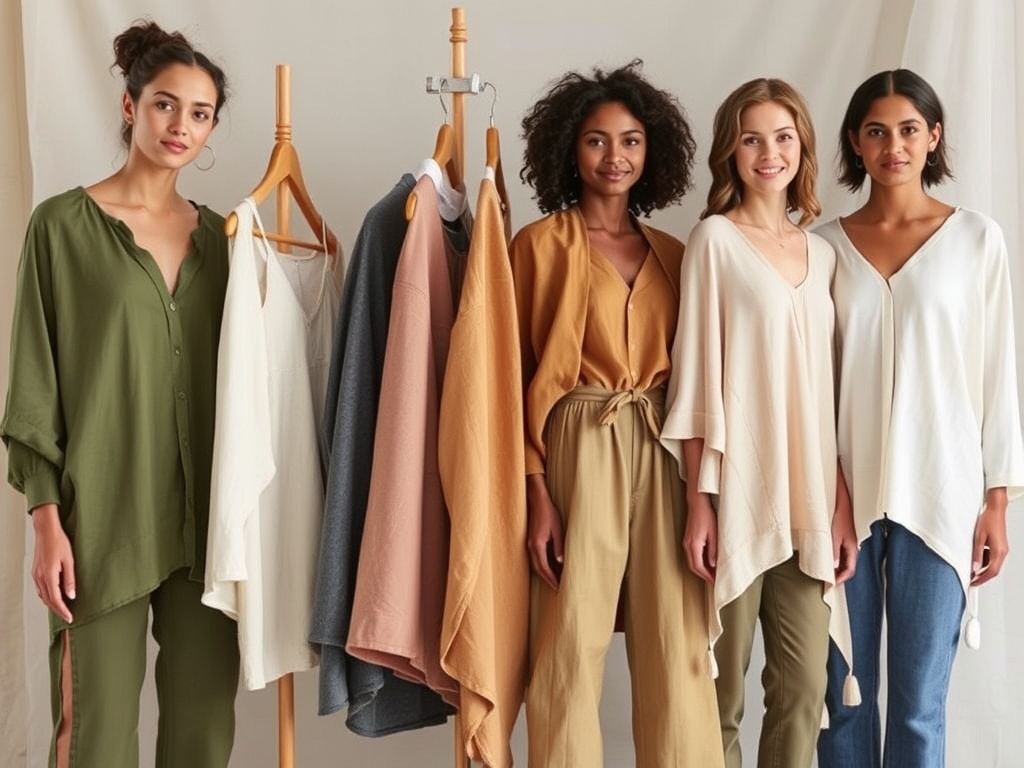
Sustainable fashion is no longer a niche trend; it’s a movement. According to a recent report, the global sustainable fashion market is projected to reach USD 9.81 billion by 2028, growing at a CAGR of 7.9% from 2021 to 2028. But are we truly making progress? The rise of ethical clothing brands and conscious consumerism suggests a positive shift, but the industry still faces significant challenges. This article delves into the top 10 sustainable fashion brands paving the way for a more responsible future.
Foundational Context: Market & Trends
The fashion industry has a massive environmental impact. Fast fashion, with its rapid cycles of trends and disposability, contributes significantly to pollution, waste, and unethical labor practices. The good news? Consumers are becoming increasingly aware of these issues.
Market Trend Data:
| Metric | Value | Year | Source |
|---|---|---|---|
| Sustainable Fashion Market | $7.8 Billion | 2022 | Market Research Future |
| Projected Growth (CAGR) | 7.9% | 2021-2028 | Market Research Future |
| Consumer Preference | Increased Demand | Current | Various consumer behavior surveys |
The data indicates a clear and growing preference for sustainable products. This shift is driven by a combination of factors, including increased consumer awareness of environmental and social issues, the growing availability of sustainable alternatives, and the rise of digital commerce platforms that facilitate the discovery and purchase of ethical fashion.
Core Mechanisms & Driving Factors
What are the key ingredients that set these brands apart? Several factors contribute to success in the sustainable fashion realm:
- Transparency: Openly sharing information about their supply chains, materials, and production processes.
- Eco-Friendly Materials: Using organic cotton, recycled fabrics, innovative plant-based materials, and other sustainable textiles.
- Ethical Manufacturing: Ensuring fair wages, safe working conditions, and respect for workers' rights.
- Circular Economy Principles: Designing for durability, repairability, and recyclability to minimize waste.
- Strong Branding & Storytelling: Communicating their mission and values effectively to connect with conscious consumers.
The Actionable Framework: Becoming a Sustainable Fashion Leader
Becoming a leader in sustainable fashion requires a multi-pronged approach. Here's a framework:
Material Sourcing: Prioritize sustainable fabrics like organic cotton, hemp, recycled polyester, and innovative alternatives such as Piñatex (pineapple leaf fiber) and mushroom leather. Research and partner with certified suppliers who adhere to environmental and social standards (e.g., GOTS, OEKO-TEX).
Manufacturing Partnerships: Select factories that demonstrate ethical and sustainable practices. Look for certifications like Fair Trade and SA8000. Conduct regular audits to ensure compliance and build long-term relationships with your partners.
Design for Longevity: Design clothes that are durable, timeless, and repairable. Avoid short-lived trends and focus on creating pieces that customers will want to keep for years.
Transparency & Communication: Be open about your processes. Share information about your supply chain, materials, and production methods on your website and social media. This builds trust and fosters customer loyalty.
Embrace the Circular Economy: Implement strategies like take-back programs, repair services, and recycling initiatives. Strive to minimize waste at every stage of the product lifecycle.
Analytical Deep Dive
A key metric to consider is the carbon footprint of different fashion production methods. Research shows that using recycled materials can significantly reduce CO2 emissions compared to conventional manufacturing.
- One study suggests that using recycled polyester reduces energy consumption by approximately 45% compared to virgin polyester.
Strategic Alternatives & Adaptations
Adapt your strategy based on your resources and target audience:
- Beginner Implementation: Start small. Focus on one sustainable practice, such as using organic cotton for a specific product line. Partner with a local manufacturer to reduce your supply chain complexity.
- Intermediate Optimization: Certify your supply chain. Seek B Corp certification. Explore innovative materials. Invest in a take-back program.
- Expert Scaling: Expand your global reach. Develop your own closed-loop recycling system. Invest in research and development to discover new sustainable materials and production methods.
Validated Case Studies & Real-World Application
Consider the success of Patagonia. They've built a powerful brand by prioritizing sustainability and transparency. Their commitment to ethical sourcing, repair programs, and environmental activism has earned them a loyal customer base. This brand has successfully balanced profitability with purpose.
Risk Mitigation: Common Errors
- Greenwashing: Avoid making misleading claims about your sustainability practices. Be transparent and provide concrete evidence of your efforts.
- Ignoring Supply Chain Issues: Thoroughly vet your suppliers and ensure they adhere to ethical and environmental standards.
- Lack of Transparency: Be open about your manufacturing processes, materials, and labor practices.
- Focusing Only on Materials: Sustainability involves more than just using eco-friendly fabrics. Consider the entire lifecycle of your products.
Performance Optimization & Best Practices
- Implement a Robust Supply Chain Audit System: Regularly assess your suppliers' environmental and social performance.
- Invest in Innovative, Sustainable Materials: Experiment with new fabrics and technologies.
- Prioritize Transparency in Communication: Share your sustainability efforts with your customers through your website, social media, and product labeling.
- Build a Strong Brand Story: Communicate your mission and values to connect with conscious consumers.
- Measure and Report Your Impact: Track your environmental and social performance to identify areas for improvement.
Scalability & Longevity Strategy
Sustaining long-term success requires a long-term vision.
- Embrace innovation: Continuously research and implement new sustainable technologies and materials.
- Expand your reach: Consider international markets and explore partnerships with other sustainable brands.
- Build a loyal community: Foster relationships with your customers through engaging content and excellent customer service.
- Stay adaptable: Remain flexible and adjust your strategies as the industry evolves.
Conclusion
The future of fashion is undeniably sustainable. The brands highlighted in this article are not just selling clothes; they're creating a movement. By embracing transparency, ethical practices, and innovative materials, they are proving that it's possible to build a successful business while making a positive impact on the planet. By focusing on sustainable practices, ethical manufacturing, and circular economy principles, fashion entrepreneurs can not only thrive but also contribute to a healthier planet.
Ready to start your sustainable fashion journey? Explore these brands, research sustainable materials, and consider how you can incorporate ethical practices into your business or personal wardrobe.
Knowledge Enhancement FAQs
Q1: What are some of the most common sustainable fabrics?
A: Some of the most popular sustainable fabrics include organic cotton, hemp, recycled polyester, linen, and innovative materials like Piñatex and mushroom leather.
Q2: What is the importance of ethical manufacturing?
A: Ethical manufacturing ensures fair wages, safe working conditions, and respect for workers' rights, contributing to a more just and equitable fashion industry.
Q3: What are the benefits of a circular economy in fashion?
A: A circular economy in fashion promotes waste reduction, resource efficiency, and the design of products for durability, repairability, and recyclability.
Q4: How can I identify a truly sustainable fashion brand?
A: Look for brands that are transparent about their supply chain, use sustainable materials, have ethical manufacturing practices, and focus on circular economy principles. Certifications like GOTS, OEKO-TEX, and B Corp can help.