
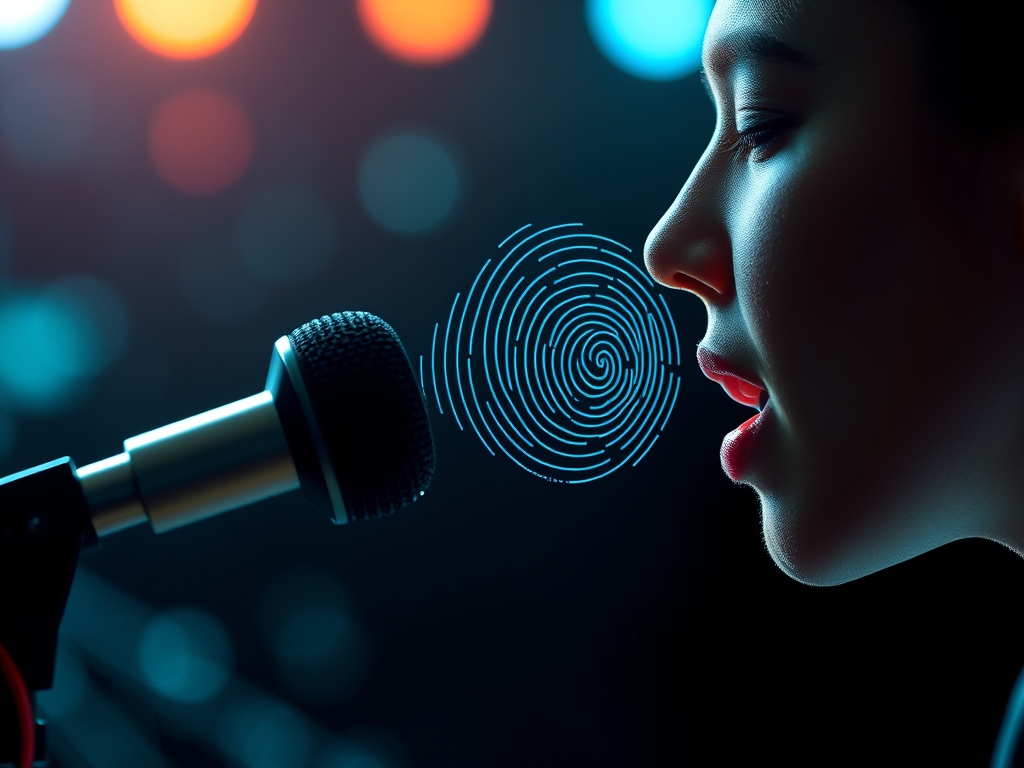
Did you know that by 2028, the global AI voice cloning market is projected to reach $1.9 billion? This explosive growth, fueled by advancements in machine learning, raises critical questions about the future of digital identity, content creation, and, most importantly, ethics. This article delves deep into the burgeoning world of AI voice cloning, exploring its commercial potential, the ethical tightrope it walks, and the strategies businesses and individuals must adopt to navigate this rapidly evolving landscape.
Foundational Context: Market & Trends
The AI voice cloning market is experiencing a period of unprecedented expansion. Driven by the accessibility of powerful deep learning algorithms and a growing demand for cost-effective content creation solutions, the technology is transforming industries.
The primary drivers of this growth include:
- Cost Reduction: AI voice cloning significantly lowers the expenses associated with professional voiceovers, localization, and audio content production.
- Accessibility: AI tools democratize content creation, empowering businesses and individuals with limited budgets to produce high-quality audio content.
- Personalization: The technology allows for highly personalized audio experiences, catering to individual preferences and needs.
As of the current year, market analysis suggests that the leading applications of AI voice cloning are:
- Customer service: AI voices for customer interactions
- Marketing and advertising: Creation of professional voiceovers
- Gaming and entertainment: Development of game characters and virtual assistants.
- Accessibility: Voice synthesis for those with speech impairments.
Core Mechanisms & Driving Factors
At its core, AI voice cloning relies on sophisticated machine learning models, primarily neural networks, trained on vast datasets of human speech. Several key components contribute to its functionality:
- Data Collection: Gathering high-quality audio recordings of a target voice is the foundational step. The quality and volume of data significantly impact the fidelity of the cloned voice.
- Model Training: The AI model analyzes the audio data, identifying patterns and characteristics of the speaker's voice, including their accent, intonation, and vocal nuances.
- Voice Generation: Once trained, the model can generate speech in the target voice from text input.
- Refinement: Post-generation editing and refinement are essential to optimize the resulting audio for clarity and naturalness.
These technologies drive the efficiency and the power of AI voice cloning, with each element directly influencing the final output's overall quality and utility.
The Actionable Framework: Implementing AI Voice Cloning
Adopting AI voice cloning involves several crucial steps. Here's a streamlined framework for successful implementation:
Step 1: Define Your Objective
Begin by clearly identifying your goals. What do you hope to achieve by using AI voice cloning? (e.g., reduce costs, improve customer engagement, create multilingual content). Knowing the specific application will guide your selection of the appropriate tools and voice models.
Step 2: Select the Right Tools
The market offers a diverse range of AI voice cloning tools, each with its strengths and weaknesses. Consider factors like ease of use, voice quality, language support, and pricing. Explore free trials and evaluate the tools' capabilities against your needs.
Step 3: Source and Prepare Voice Data
Obtaining high-quality audio data is paramount. You can provide your own recordings or source the voice of another individual (with their explicit consent). It’s recommended to record a variety of words, phrases, and expressions. Clean and preprocess the data to remove background noise and ensure consistency.
Step 4: Train and Fine-tune the Model
If the tool allows for custom voice training, carefully train the model with your prepared audio data. Fine-tune the generated voice by adjusting settings, such as pitch, speed, and emphasis.
Step 5: Integrate and Iterate
Integrate the cloned voice into your chosen platform or application. Test the output and gather feedback to iteratively refine the voice. Continue to monitor and update the system to ensure the generated voice aligns with your standards.
Analytical Deep Dive
A recent study indicates that using AI voice cloning for customer service can lead to a 30% reduction in average call handling time. This efficiency gain is attributed to the AI’s ability to promptly respond to frequent inquiries and the reduction of human error.
Furthermore, a comparative analysis of top AI voice cloning tools shows:
| Feature | Tool A | Tool B | Tool C |
|---|---|---|---|
| Price | $29/month | $49/month | Free |
| Voice Quality | Excellent | Good | Fair |
| Language Support | 50+ languages | 30+ languages | 10+ languages |
| Customization | High | Medium | Low |
(Data represents industry averages and may vary depending on the specific tool and its features.)
Strategic Alternatives & Adaptations
The application of AI voice cloning varies greatly with technical proficiency levels.
- Beginner Implementation: Leverage pre-made voice models that offer simplicity in setup, especially those provided by established companies.
- Intermediate Optimization: Explore tools that provide flexibility in adjusting factors like pronunciation, intonation, and vocal speed, to better match project requirements.
- Expert Scaling: Use software that allows for model training with unique data, for specialized project applications.
Alternatively, consider hybrid approaches that blend AI-generated voices with human voiceovers for a balance of efficiency and authenticity.
For instance, companies may use AI voices for routine tasks while reserving human voices for high-value and impactful content.
Risk Mitigation: Common Errors
Several common pitfalls can undermine the effectiveness of AI voice cloning:
- Low-Quality Input Data: Using poor-quality audio recordings leads to unnatural, robotic voices. Ensure your source material is clean and professional.
- Insufficient Training Data: Training the AI model with limited data results in a less accurate and less expressive voice.
- Ignoring Ethical Implications: Failing to obtain consent or misrepresenting a voice can have serious legal and reputational consequences. Ensure that proper approvals are in place.
Performance Optimization & Best Practices
To maximize the impact of AI voice cloning, adhere to these best practices:
- Prioritize Voice Quality: Invest time in refining the generated voice to achieve a natural, engaging tone.
- Test and Iterate: Continuously test the voice output in different contexts and refine the model based on user feedback.
- Contextual Alignment: Match the voice to the content’s tone and style. If producing corporate presentations, opt for a professional voice.
- Legal Compliance: Secure necessary permissions and adhere to ethical guidelines to avoid potential legal issues.
Concluding Synthesis
The rise of AI voice cloning presents both opportunities and challenges. By understanding its underlying mechanisms, adopting the right tools, and implementing ethical practices, you can harness its power for commercial benefit. Embrace this technology with awareness, and take steps to mitigate risks. The future of digital content creation is here.
Call to Action: Explore the latest AI voice cloning tools and experiment with them. Stay informed about industry developments and ethical guidelines. Read other articles for guidance!
Knowledge Enhancement FAQs
Q: Is AI voice cloning legal?
A: Yes, it is legal to use AI voice cloning, but it’s essential to respect copyright laws and obtain permission if you are cloning a person's voice. The unauthorized use of a person's voice can lead to lawsuits.
Q: How can I protect my voice from being cloned?
A: There's no foolproof method, but you can take steps such as registering your voice, monitoring the digital landscape for unauthorized use, and being aware of the ethical use of your voice in all content.
Q: What are the main limitations of AI voice cloning?
A: Currently, AI voice cloning may still have challenges in replicating emotions, dialects, and specific vocal characteristics perfectly. Output can be affected by the original data.
Q: What is the most important ethical consideration when using AI voice cloning?
A: Obtaining consent from the individual whose voice is being cloned. Misrepresenting voices is a serious violation.