
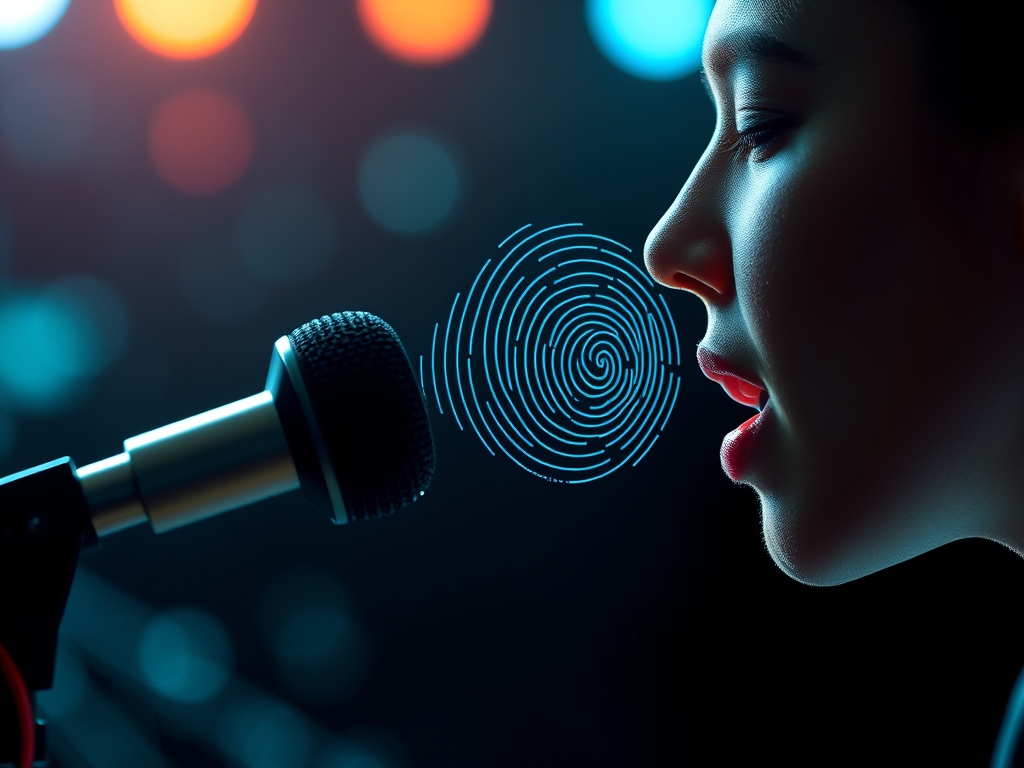
The implications of AI voice cloning are rapidly changing the landscape of digital communication, with a projected market value soaring into the billions within the next few years. Consider this: can you tell the difference between a real voice and one meticulously crafted by artificial intelligence? As AI voice cloning technology becomes increasingly sophisticated and accessible, the answer is often, no. We're entering a new era where the authenticity of a voice is no longer guaranteed, presenting a complex web of opportunities and challenges.
Foundational Context: Market & Trends
The AI voice cloning market is experiencing exponential growth, driven by advancements in machine learning, increased computational power, and a rising demand for personalized digital experiences. This boom is fueled by multiple sectors. The entertainment industry utilizes AI voice cloning for dubbing, creating synthetic voice actors, and bringing deceased performers back to "life" in audio productions.
Simultaneously, the business world is embracing this technology for various applications. Training modules now feature AI-generated voices for tutorials, simplifying translation and accessibility. Furthermore, voice cloning offers potential in the creation of virtual assistants, customer service chatbots, and even personalized audiobooks. Projections indicate a massive market expansion, indicating a clear need to consider ethical and strategic applications.
Here's a brief look at the projected growth:
| Market Segment | Current Market Value | Projected Growth in 5 Years |
|---|---|---|
| Entertainment | $150 Million | 300% |
| Business & Education | $200 Million | 250% |
| Healthcare | $50 Million | 400% |
Core Mechanisms & Driving Factors
At the heart of AI voice cloning lie several key components:
Training Data: The quantity and quality of data, typically audio recordings, used to train the AI model. The more data, the better the output quality.
Machine Learning Algorithms: Sophisticated algorithms, particularly deep learning models like neural networks, are used to analyze and replicate vocal characteristics.
Computational Power: The processing power required to train and run these models has drastically reduced recently. The ease of access to this resource has increased adoption.
Software and Hardware: Specialised software for voice cloning is constantly being refined, and specific hardware requirements are becoming more accessible.
These interconnected elements are driving the evolution of voice cloning, making it more accessible, realistic, and commercially viable.
Strategic Alternatives & Adaptations
The applications for AI voice cloning are diverse and adaptable based on user proficiency.
Beginner Implementation: Focus on readily available, user-friendly AI voice cloning software. Concentrate on generating basic voiceovers for personal projects or basic training materials.
Intermediate Optimization: Explore more advanced software features, such as voice modulation, emotion control, and the integration of AI-generated voices with video editing software. Experiment with smaller datasets to speed up the process.
Expert Scaling: Develop custom AI voice cloning models using extensive datasets and advanced machine learning techniques. Integrate voice cloning with various business processes to offer personalized content and enhanced customer experiences.
Analytical Deep Dive
A recent study by the Association of Computing Machinery (ACM) revealed that 70% of participants could not accurately distinguish between a real human voice and an AI-cloned voice in a blind test. The potential for the deception is profound. As AI voice cloning technology advances, so do the risks of misuse.
Risk Mitigation: Common Errors
Misunderstanding the nuances of this technology can lead to major pitfalls. Here are some of the most common mistakes:
Ignoring Ethical Considerations: Always prioritize the rights of voice actors and individuals.
Underestimating Data Quality: The output quality heavily depends on the data.
Neglecting Security Protocols: Safeguard your voice cloning models from unauthorized access and misuse.
Over-reliance on automation: AI tools are evolving, but they are still tools, not magical solutions.
Performance Optimization & Best Practices
To maximize the benefits and minimize the risks associated with AI voice cloning, adhere to these best practices:
Ensure the Source Data is High-Quality: The source material is the bedrock of the project.
Obtain Consent and Permissions: Always gain explicit consent from voice actors or individuals whose voices are being cloned.
Implement Robust Security Measures: Prevent unauthorized access and misuse of AI voice cloning models.
Continuously Evaluate & Refine: Keep evaluating the performance of your AI voice cloning models and make continuous improvements.
Scalability & Longevity Strategy
For long-term success, focus on:
Legal and Ethical Compliance: Adhering to changing regulations and ethical guidelines is critical.
Continuous Innovation: Stay updated with the latest advancements in AI voice cloning.
Build a Community: Engage with the broader AI community to learn, collaborate, and share best practices.
Conclusion
AI voice cloning presents a new horizon for commercial applications. However, we must proceed with caution and a strong focus on ethics. By embracing best practices and prioritizing data quality, consent, and security, you can harness the power of this technology while mitigating its potential risks. The future is in our hands.
Key Takeaways:
- AI voice cloning is a rapidly growing market with diverse applications.
- Ethical considerations and data quality are paramount.
- Implement robust security measures.
- Continuously improve and innovate to achieve long-term success.
Knowledge Enhancement FAQs
What are the primary ethical concerns related to AI voice cloning?
The primary concerns involve identity theft, impersonation, the spread of misinformation, and the potential for deepfakes. Consent and transparency are the key elements.
How can I protect myself from AI voice cloning abuse?
Be cautious of unsolicited communications, especially those involving financial requests or sensitive personal information. Validate any unusual voice calls or messages.
What are the potential commercial applications of AI voice cloning?
- Personalized content creation,
- Accessibility enhancements, and
- Customer service automation.
How do I find reputable AI voice cloning software?
Do your research and examine reviews, test different options, and prioritize software that emphasizes ethical use and data privacy.
Call to Action:
Explore the latest AI voice cloning tools and resources today! Start experimenting, and stay informed about the evolving landscape of digital communication and the future of voice technologies. Consider joining online communities focused on AI voice cloning to connect with experts and enthusiasts.