
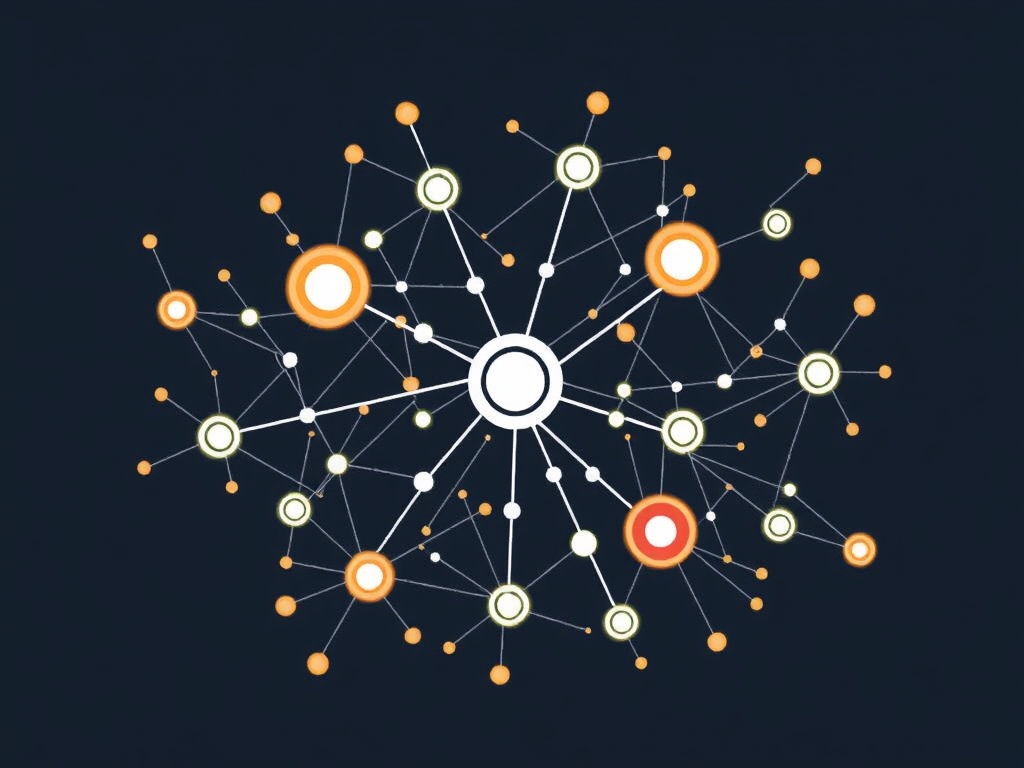
Did you know that the global Artificial Intelligence (AI) market is projected to reach nearly $2 trillion by 2030? But what if the future of AI wasn't just about massive computing power, but about trust and transparency? This is the core promise of Decentralized AI (DeAI), a burgeoning field aiming to revolutionize how we build, deploy, and utilize AI. The vision of DeAI is to create AI systems that are not controlled by centralized entities, enhancing data privacy, fairness, and overall societal impact.
Foundational Context: Market & Trends
The conventional AI landscape is dominated by large corporations and centralized data repositories. This creates several challenges:
- Data Silos: Data is locked up, limiting access and innovation.
- Lack of Transparency: AI models are often black boxes, making it difficult to understand decisions.
- Bias and Discrimination: AI systems can perpetuate existing biases within training data.
However, a shift is underway. Web3 machine learning and DeAI are emerging as viable solutions, with early-stage investment and project development seeing exponential growth. Analysts predict significant market expansion in this space over the next decade.
Core Mechanisms & Driving Factors
DeAI’s core rests on the integration of several key elements:
- Blockchain Technology: Providing secure, transparent, and immutable data storage and model governance.
- Decentralized Data Storage: Systems like IPFS ensure data availability and censorship resistance.
- Federated Learning: Training AI models across decentralized data sources without moving the data.
- Cryptoeconomics: Using incentives such as tokens to encourage participation and model improvement.
These components combine to create a more equitable, trustworthy, and efficient AI ecosystem.
The Actionable Framework
Let’s delve into building a DeAI application. The process typically involves several stages:
- Data Acquisition and Preparation: Identify datasets from decentralized sources. Clean and preprocess data for your AI model.
- Model Training with Federated Learning: Train your model using federated learning methods. This allows multiple participants to contribute to model training without sharing their data.
- Deployment on a Decentralized Platform: Deploy your trained model using a decentralized infrastructure. This might involve setting up smart contracts to govern the model and its usage.
- Incentivization and Governance: Implement a token-based reward system to incentivize users to contribute to the training and improvement of the model.
Analytical Deep Dive
Consider the potential impact of DeAI in the healthcare sector. Current estimates suggest that implementing AI could save up to $100 billion in the healthcare industry annually. However, this potential is hampered by data privacy concerns. DeAI offers a way to analyze sensitive patient data while maintaining confidentiality, potentially unlocking significant advancements in diagnostics, treatment, and preventative care.
Strategic Alternatives & Adaptations
For those new to DeAI, a Beginner Implementation might involve starting with a readily available federated learning library like TensorFlow Federated. Intermediate Optimization could focus on creating robust smart contracts for data governance and rewards distribution. Expert Scaling might involve designing custom blockchain solutions tailored to the needs of DeAI applications.
Risk Mitigation: Common Errors
- Lack of Data Diversity: Ensure that your datasets are diverse to prevent model bias.
- Incorrect Incentive Design: Carefully design incentive mechanisms to avoid fraud and manipulation.
- Poor Model Governance: Implement robust governance models to ensure fairness and prevent unauthorized model modifications.
Performance Optimization & Best Practices
- Data Quality over Quantity: Ensure that your data is high quality and relevant to your model's objectives.
- Leverage Smart Contracts: Use smart contracts to automate model governance, data access, and reward distribution.
- Focus on Security: Prioritize the security of your DeAI system, including robust data encryption and access control.
- Embrace Community Engagement: Build a strong community around your DeAI project to foster collaboration and innovation.
Scalability & Longevity Strategy
For sustained success, focus on:
- Community Building: Create a robust community of users, developers, and data providers.
- Iterative Model Improvement: Continuously refine your models through ongoing training and feedback.
- Adaptability: Remain flexible and adapt your DeAI solutions to rapidly changing market and technological conditions.
Expert Insights:
"The future of AI isn't just about faster computation; it's about building trust. DeAI offers the potential to create a more equitable and transparent AI ecosystem." – Dr. Anya Sharma, AI Ethicist.
Conclusion
The promise of DeAI is to democratize access to AI and improve its applications to society. While challenges remain, the potential benefits—increased transparency, enhanced privacy, and a more equitable distribution of AI’s advantages—are too significant to ignore. The shift towards decentralization is inevitable. Now is the time to explore and contribute to this evolving landscape.
Knowledge Enhancement FAQs
Q: What are the main advantages of DeAI compared to traditional AI?
A: DeAI offers enhanced data privacy, increased transparency, and fairer AI models. It also fosters greater collaboration and community-driven innovation.
Q: What are the biggest hurdles facing the DeAI movement?
A: Challenges include scaling decentralized infrastructure, ensuring data quality, and aligning incentives among stakeholders.
Q: What skills are needed to get started with DeAI?
A: Familiarity with blockchain technology, machine learning, and smart contract development is highly beneficial. Data science and cryptography are also important.
Q: Where can I learn more about DeAI?
A: Explore online courses, research papers, and participate in DeAI-focused communities. Look for reputable blogs, forums, and conferences.
Q: How does federated learning contribute to DeAI?
A: Federated learning allows AI models to be trained across decentralized data sources without moving the data, significantly enhancing data privacy.
Q: Can DeAI solve the problem of AI bias?
A: DeAI has the potential to mitigate AI bias by utilizing diverse datasets, promoting transparency in model training, and enabling community review and intervention.
CTA: Ready to dive deeper? Explore our comprehensive guide to Federated Learning and start building your DeAI project today! [Link to related article or course]