
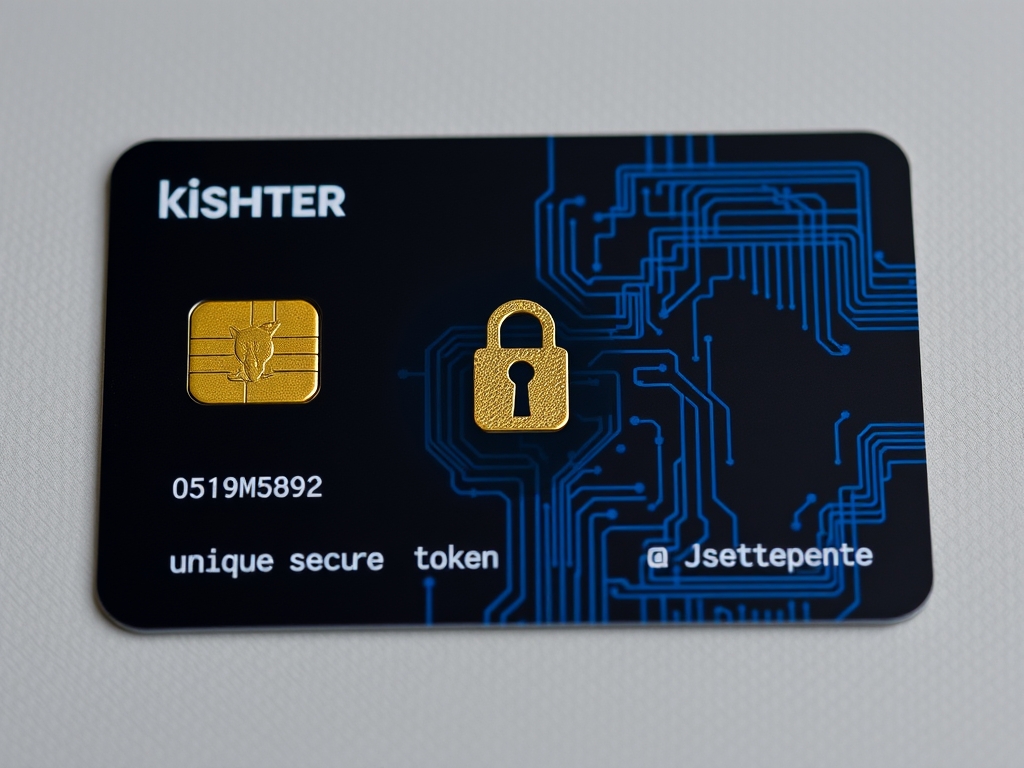
Imagine a future where you control your identity online. Where digital credentials, backed by irrefutable proof, replace passwords and fragmented profiles. This future is closer than you think, powered by Decentralized Identifiers (DIDs). Currently, less than 5% of global internet users actively engage with DID technology, yet its potential impact on data privacy, security, and digital commerce is massive. This low adoption, however, does not diminish its groundbreaking potential.
Foundational Context: Market & Trends
The market for digital identity solutions is booming. According to recent reports, the global digital identity solutions market is projected to reach $80 billion by 2028, growing at a CAGR of over 15% between now and then. This growth is fueled by several key trends, including:
- Growing Concerns Over Data Privacy: Users are increasingly aware of how their data is collected and used, driving demand for more secure and private identity solutions.
- The Rise of Remote Work and Digital Interactions: As more interactions move online, the need for trusted, verifiable identities becomes paramount.
- Regulatory Pressures: Governments worldwide are enacting regulations like GDPR and CCPA, which place a greater emphasis on data privacy and user control, creating a favorable environment for DID adoption.
Consider this comparison of traditional centralized identity systems vs. decentralized identity systems:
| Feature | Traditional Centralized Systems | Decentralized Identity Systems (DIDs) |
|---|---|---|
| Data Control | Controlled by centralized entities | Controlled by the user |
| Security | Vulnerable to breaches due to centralized storage | More secure due to distributed ledger technology |
| Data Portability | Limited; difficult to move data between platforms | High; users can easily share credentials |
| Interoperability | Often siloed; limited compatibility between different systems | High; designed for interoperability across different platforms |
| User Experience | Often cumbersome, requiring multiple logins and credentials | Streamlined; users have a single, portable identity |
Core Mechanisms & Driving Factors
DIDs are fundamentally changing how we approach online identity. They function by creating a unique, verifiable identifier controlled by the user, not a central authority. Here’s a breakdown of the core components:
- Identifier: Each user receives a unique DID, a globally resolvable identifier.
- Decentralized Ledger (Blockchain): DIDs are anchored to a distributed ledger, providing immutability and verifiable proof of identity.
- Verifiable Credentials: These are digital assertions about the user, issued by trusted entities (e.g., universities, employers).
- Identity Wallets: Users store their DIDs and credentials securely in their digital wallets, which is software that is required to interact with DID technology.
The Actionable Framework
Want to understand how you can utilize the power of digital credentials and Decentralized Identifiers in your business or personal life? Here’s a framework:
Step 1: Understanding Your Needs
Consider what information you need to control. Identify all digital data that you want to have better security control over.
Step 2: Selecting a DID Provider or Platform
This could be any software provider that enables DID technology. Research different wallets and systems to determine which ones align with your personal needs or the needs of your business.
Step 3: Getting Your DID
Create your DID and connect with the DID ecosystem.
Step 4: Storing and Managing Credentials
You are now ready to begin using and controlling your digital credentials.
Step 5: Utilizing Verifiable Credentials for Specific Applications
Use verifiable credentials for your desired purposes, for example, accessing secure websites.
“The beauty of DIDs lies in their ability to empower individuals to own and control their data. This fundamental shift in control will redefine trust and security in the digital realm,” says Dr. Emily Carter, a leading expert in identity management.
Analytical Deep Dive
Consider the potential return on investment (ROI) that could be generated by organizations and people using DIDs and verifiable credentials. One study estimates that companies can reduce costs associated with identity verification and fraud by 20-30% by adopting DID-based solutions. Another study projected that the use of DIDs could boost the efficiency of various business processes by 15-25%. These figures show that DIDs are not merely a technological novelty, they are a powerful tool for streamlining operations and generating better business outcomes.
Strategic Alternatives & Adaptations
The applications of DIDs and verifiable credentials are vast. Here’s how you can adapt and utilize them for different use cases:
- Beginner Implementation: Begin with using verifiable credentials for basic tasks such as accessing specific websites, controlling access to a physical space, or for storing and accessing a digital resume.
- Intermediate Optimization: Explore using DIDs for more complex identity verification processes, such as the digital onboarding of new users, or for verifying the validity of documents.
- Expert Scaling: Integrate DIDs into your organization’s identity infrastructure for large-scale operations and utilize smart contracts to automate credential verification and management processes.
Validated Case Studies & Real-World Application
Consider a real-world scenario. A university student receives a digital degree verified via a blockchain. Instead of providing physical transcripts, the student can share this verifiable credential with potential employers. This saves time, reduces fraud, and provides the employer with instant, trustworthy verification. Another use case is streamlining e-commerce transactions: Customers can use their DID to securely prove their identity and age, minimizing friction and improving the shopping experience.
Risk Mitigation: Common Errors
Avoid these common pitfalls:
- Failing to Choose a Reputable DID Provider: Not all providers are created equal. Research and vet providers for their security measures and user support.
- Overlooking Key Security Protocols: Make sure to fully understand the technology that backs any DID solution. This is essential to mitigating the risk of data breaches.
- Disregarding Regulatory Compliance: Some jurisdictions may have specific requirements regarding the use of digital credentials. Ensure that your DID implementation adheres to all applicable regulations.
Performance Optimization & Best Practices
To maximize the benefits of DIDs, implement these practices:
- Prioritize User Experience: DIDs can be complicated. Simplify the user interface and offer comprehensive documentation.
- Ensure Interoperability: Use DIDs that are based on open standards to ensure compatibility with other systems.
- Stay Informed: The DID landscape is continually evolving. Remain updated on the latest trends and best practices.
Scalability & Longevity Strategy
For long-term success with DIDs:
- Invest in Education: Educate your users and/or team members on the benefits and functionalities of DIDs.
- Build a Robust Infrastructure: Ensure your DID system is designed to handle increasing demands.
- Stay Flexible: The DID ecosystem is dynamic. Continuously review and update your approach.
Frequently Asked Questions (FAQ)
- Are DIDs secure? Yes, DIDs, when implemented correctly, offer enhanced security due to their decentralized nature and use of cryptography and immutable blockchains.
- How are digital credentials different from traditional passwords? Digital credentials are not stored centrally like passwords. They are self-sovereign, meaning the user controls them.
- What industries benefit most from DIDs? Industries that require robust identity verification and data security, such as finance, healthcare, and education, stand to gain the most.
- Is it difficult to get started with DIDs? The technology is constantly evolving. But, as with any technology, the user will experience a learning curve. Start small and begin using user-friendly DID applications to get started.
- What are the key benefits of using DIDs? Enhanced security, improved privacy, increased data control, and greater efficiency.
Conclusion
The evolution of digital identity, spearheaded by Decentralized Identifiers, is poised to reshape the digital landscape. By embracing these cutting-edge technologies, you can significantly improve security, give users complete control over their data, and optimize processes. Seize the opportunity and secure your future.