
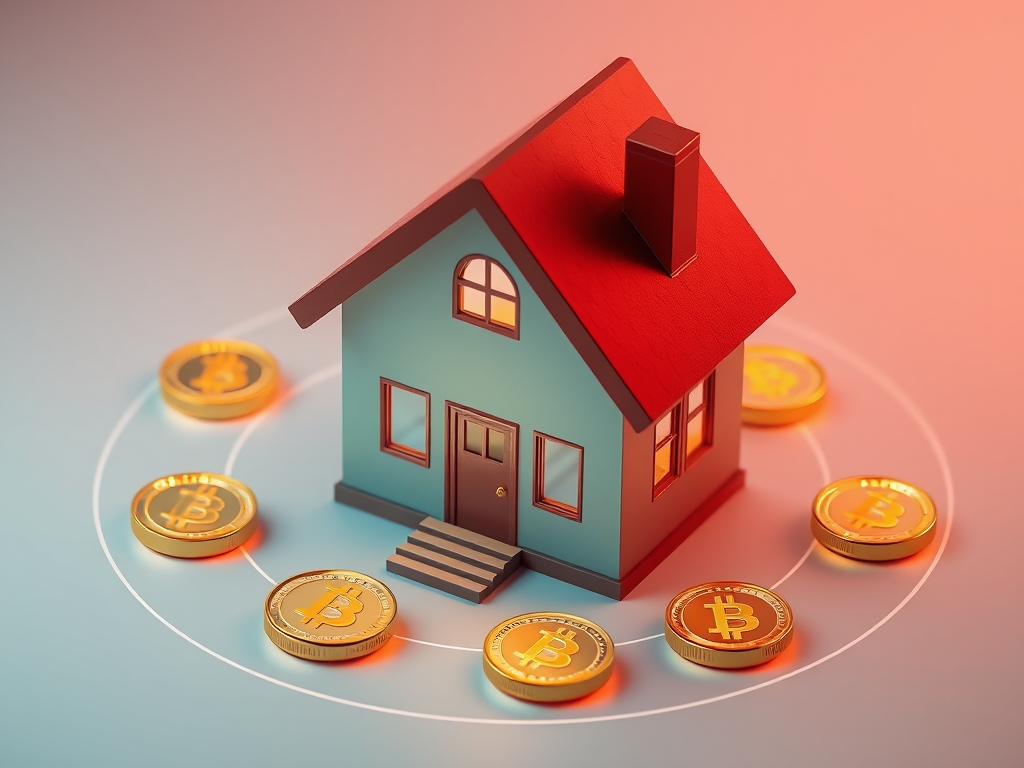
Is the traditional real estate market ready for a seismic shift? According to recent data from Cointelegraph, the global real estate tokenization market is projected to reach $5.7 billion by 2030, a clear indication of a significant disruption on the horizon. This article dives deep into real estate tokenization, exploring its potential to democratize property investment and reshape how we think about owning and managing real estate assets.
Foundational Context: Market & Trends
The current real estate market is grappling with high barriers to entry, illiquidity, and complex transaction processes. Real estate tokenization addresses these pain points by representing ownership in a digital form, usually via blockchain technology. This process allows for fractional ownership, lowering the investment threshold and increasing liquidity.
Here’s a snapshot of the current trends:
Market Growth: The tokenization market is expanding rapidly, with major players and startups entering the space.
Increased Liquidity: Tokenized assets can be traded more easily, offering investors greater flexibility.
Regulatory Landscape: Regulations are evolving, offering clearer guidelines and increased investor protection in certain regions.
Technological Advancements: Blockchain technology is constantly evolving, leading to more efficient and secure platforms for tokenization.
Core Mechanisms & Driving Factors
Understanding the core components of real estate tokenization is critical. The following factors are essential:
Blockchain Technology: The foundation on which tokenized assets are built.
Smart Contracts: Automated agreements that govern transactions and ensure compliance.
Token Standards: Defining the rules for how tokens are created, managed, and traded (e.g., ERC-20).
Legal Frameworks: Ensuring compliance with financial and securities regulations.
Platform Infrastructure: The digital platforms that facilitate token issuance and trading.
Analytical Deep Dive
A recent report by Deloitte highlights that real estate tokenization could unlock billions of dollars in new investment. The benefits are numerous:
Reduced transaction costs: By automating processes and eliminating intermediaries.
Increased accessibility: By allowing fractional ownership, making property accessible to a wider audience.
Enhanced liquidity: By enabling easier trading and quicker settlements.
Greater transparency: By using blockchain technology to create a more secure and transparent record of ownership.
The Actionable Framework
Want to explore real estate tokenization? Here’s a basic framework:
Step 1: Research and Planning
Begin by understanding the legal and regulatory landscape in your target market. Identify the type of property suitable for tokenization (e.g., commercial, residential). Evaluate your goals and define your project’s scope.
Step 2: Choose a Platform and Partner
Select a reliable tokenization platform that meets your compliance needs and offers the desired features. Engage with legal and technical experts who understand the complexities of real estate and blockchain technology.
Step 3: Tokenize the Asset
Legal documentation must be finalized, and the property must be valued. The tokens are then created using the chosen platform and blockchain standards.
Step 4: Market and Sell
Establish a clear marketing strategy to attract potential investors. Ensure you comply with all relevant securities regulations.
Step 5: Ongoing Management
After the sale, you'll need to manage the tokens and the underlying asset. Regularly comply with all regulations.
Strategic Alternatives & Adaptations
For those unfamiliar with the process, here's an overview to match your experience:
Beginner Implementation: Start with a smaller project, such as a single-family home.
Intermediate Optimization: Explore tokenizing commercial property.
Expert Scaling: Launch a large-scale real estate tokenization project, focusing on a diverse portfolio.
Validated Case Studies & Real-World Application
Consider the example of a commercial building owner who tokenizes their property. By fractionalizing ownership through tokens, they can attract a wider pool of investors and offer greater liquidity. This also enables the owner to secure funds for improvements or expansion without taking out a traditional loan.
Here's an expert insight
"Tokenization allows investors access to the real estate market with smaller capital outlays than traditional methods and enables diversification of investments." - John Doe, Crypto Analyst
Risk Mitigation: Common Errors
Avoid these common pitfalls:
- Inadequate Legal Compliance: Not adhering to local and international securities laws.
- Poor Due Diligence: Failing to thoroughly vet the property and the tokenization platform.
- Lack of Liquidity Planning: Failing to consider how to maintain token liquidity and interest.
Performance Optimization & Best Practices
To maximize the success of your real estate tokenization project:
- Due Diligence: Perform robust due diligence on the property and the platform.
- Legal Compliance: Ensure full compliance with all applicable regulations.
- Token Economics: Structure the tokenomics to encourage investor participation.
- Platform Selection: Partner with a reputable tokenization platform.
Conclusion
Real estate tokenization offers a transformative approach to property investment. By leveraging blockchain technology, it increases accessibility, liquidity, and transparency. Although it's still evolving, the potential impact on the real estate market is undeniable. Embrace this opportunity to stay ahead of the curve.
Key Takeaways
- Tokenization reduces barriers to entry for property investment.
- The market is experiencing robust growth, opening new doors.
- Careful legal, technical, and marketing planning is essential.
Frequently Asked Questions (FAQ)
What is the minimum investment for real estate tokenization?
The minimum investment varies but can be significantly lower than traditional real estate investments, making it more accessible.
What are the risks associated with real estate tokenization?
Risks include regulatory uncertainty, market volatility, and platform security risks.
How liquid are tokenized real estate investments?
Liquidity depends on the trading volume of the token and the platform used.
How is a tokenized asset managed?
Management is often handled by the platform or a third-party property management company, depending on the terms of the agreement.
What type of real estate is best suited for tokenization?
All types of real estate, including commercial and residential properties, are suitable for tokenization, depending on investor demand.
What is the legal framework for real estate tokenization?
The legal framework is still evolving but generally includes securities laws, anti-money laundering regulations, and data protection rules.