
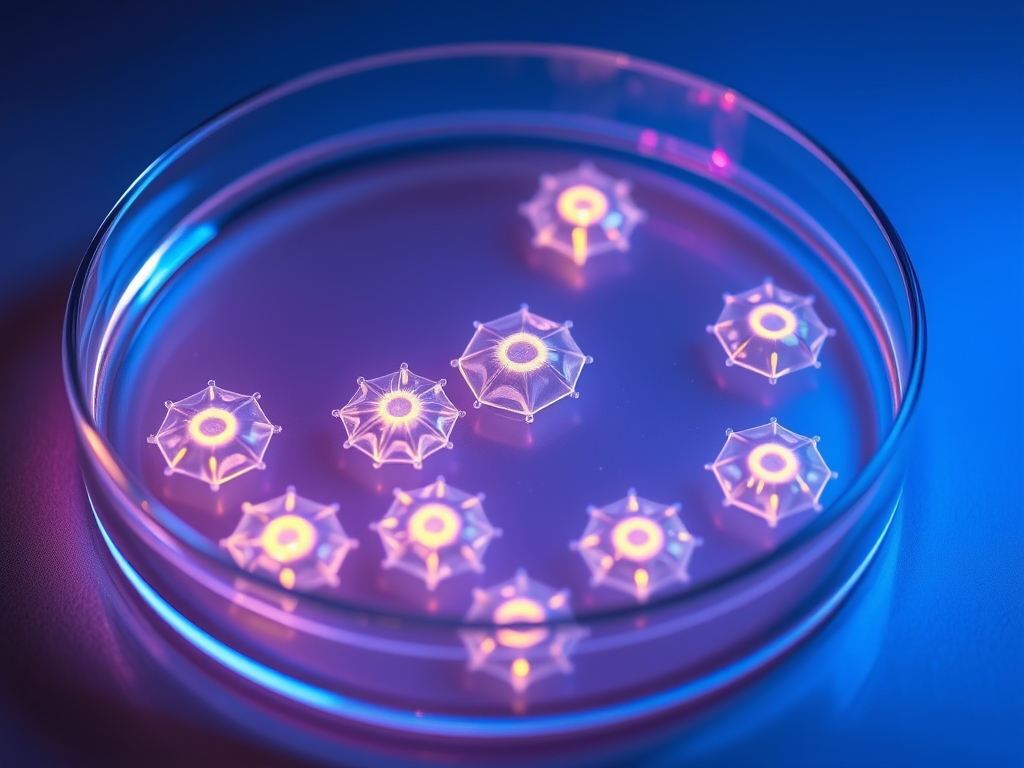
The field of synthetic biology, driven by exponential advancements in DNA sequencing and editing, is on the cusp of revolutionizing everything from medicine to manufacturing. Did you know that the global synthetic biology market is projected to reach over \$40 billion by 2028? But what does this burgeoning field truly entail, and what ethical considerations must we grapple with as we engineer life itself? This article explores the cutting-edge of synthetic biology, its profound implications, and the critical need for responsible innovation.
Foundational Context: Market & Trends
The market for synthetic biology is experiencing explosive growth, fueled by several key trends. These include decreasing costs of DNA synthesis, the increasing availability of sophisticated gene-editing tools, and a growing emphasis on sustainable practices.
Here's a quick glimpse at the sector’s current trajectory:
| Trend | Projection | Impact |
|---|---|---|
| CRISPR Technology Adoption | Rapid expansion in use cases | Accelerates biological design and testing |
| Bio-Manufacturing Growth | Increasing use of engineered organisms | Development of new products & processes |
| Sustainability Focus | Driven by need for sustainable solutions | Creates a larger market for bio-based products & processes |
The convergence of these trends is opening up exciting possibilities while simultaneously underscoring the necessity for robust ethical frameworks.
Core Mechanisms & Driving Factors
At its heart, synthetic biology involves redesigning and building biological systems for useful purposes. Several fundamental mechanisms drive progress in this field.
Here are the key factors:
- Gene Synthesis: The ability to create custom DNA sequences rapidly and affordably is fundamental. This process allows scientists to build new biological components from scratch.
- Gene Editing Tools: CRISPR-Cas9 and other gene editing technologies are revolutionizing the ease with which scientists can modify existing DNA sequences. They're making genetic engineering faster, more precise, and more accessible.
- Bioinformatics: Bioinformatics tools are essential for the design of new biological systems. They help scientists model and predict how engineered biological systems will behave.
- Automation: Automation, including robotics, is crucial for handling the large-scale data that comes with the industry.
The Actionable Framework: Navigating Ethical Considerations
Synthetic Biology presents an array of exciting possibilities, but it also prompts challenging questions. One of the biggest challenges is how to proceed responsibly. Here is a step-by-step framework to navigate the ethical landscape:
1. Identify Potential Risks
Before embarking on a project, conduct a comprehensive risk assessment. What are the potential hazards? Are there potential environmental concerns? Are there foreseeable societal impacts?
2. Engage in Stakeholder Discussions
Involve scientists, ethicists, policymakers, and the public. Transparency and a multifaceted view are critical. Early, inclusive conversations can help identify potential challenges and foster consensus.
3. Establish Clear Guidelines
Develop and enforce strict protocols for safety, security, and data sharing. Well-defined protocols should address potential risks, such as accidental release of engineered organisms or misuse of the technology.
4. Foster Continuous Monitoring and Learning
Synthetic biology is a constantly evolving field. Remain vigilant and continually assess the implications of new technologies and methods. This is particularly relevant given its rapid advancements.
Analytical Deep Dive
The benefits of synthetic biology can be profound, promising medical breakthroughs, environmental solutions, and sustainable manufacturing practices. Yet the data shows a complex picture. Recent surveys indicate a growing interest in the ethical aspects of the field.
- A 2023 study by the Pew Research Center found that 60% of Americans believe that gene editing will lead to more good than harm.
- The National Academies of Sciences, Engineering, and Medicine has published several reports focusing on the ethical and societal implications of synthetic biology. These reports highlight the critical need for responsible innovation.
Strategic Alternatives & Adaptations
The approach to synthetic biology varies based on a researcher’s expertise and available resources.
- Beginner Implementation: Focus on well-established, less complex projects. Start with simple gene editing experiments to gain experience with fundamental techniques. Seek out educational resources and open-source tools.
- Intermediate Optimization: Explore novel applications and advanced techniques, such as CRISPR-based diagnostics. Collaborate with interdisciplinary teams. Apply knowledge to practical applications.
- Expert Scaling: Lead large-scale research initiatives, and develop new technologies. Engage with ethics boards and regulatory bodies.
Remember: The key to responsible use of synthetic biology is to approach each project with a clear understanding of its potential benefits and risks.
Validated Case Studies & Real-World Application
Consider the development of "designer" biofuels, a well-known application of synthetic biology. Scientists are engineering microorganisms to produce biofuels more efficiently and sustainably than traditional methods.
In another example, researchers are using this technology to develop new treatments for diseases like cancer. Gene therapies, created by engineering the human genome, show promise in fighting diseases at the genetic level. These practical applications highlight the technology’s power and the need for ethical guidelines.
Risk Mitigation: Common Errors
Misunderstanding or neglecting key ethical considerations can lead to:
- Lack of transparency: Failing to communicate the potential risks and benefits of a project to stakeholders.
- Insufficient safety protocols: Not implementing rigorous safety measures.
- Ignoring long-term consequences: Failing to consider the long-term environmental and societal implications of a project.
Addressing these issues by creating educational guidelines can mitigate potential damage.
Performance Optimization & Best Practices
To maximize the impact of your synthetic biology endeavors:
- Prioritize Safety: Follow all safety guidelines and protocols meticulously.
- Foster Collaboration: Work with scientists, ethicists, and policymakers to develop and implement best practices.
- Stay Informed: Keep abreast of the latest developments in the field and the ongoing ethical debates.
Conclusion
Synthetic biology holds the potential to reshape many aspects of our lives. From medicine to manufacturing, the promise is significant. However, success hinges on navigating ethical complexities with care. Prioritizing safety, transparency, and collaboration are essential. By adhering to the framework outlined, we can ensure that this technology benefits all of humanity.
Knowledge Enhancement FAQs
Q: What is the main goal of synthetic biology?
A: The main goal is to design and build new biological systems or to redesign existing ones for useful purposes.
Q: What are the key ethical challenges associated with synthetic biology?
A: The key ethical challenges include the potential for misuse, environmental risks, and the need for societal discussions about the implications of engineering life itself.
Q: How can we mitigate the risks associated with synthetic biology?
A: By developing and enforcing strict safety protocols, engaging in transparent communication, and fostering ongoing dialogue among stakeholders.
Q: What are some of the potential benefits of synthetic biology?
A: Potential benefits include new treatments for diseases, environmentally friendly biofuels, and sustainable manufacturing processes.