
Did you know that the global digital twin market in healthcare is projected to reach $18.3 billion by 2030? This meteoric rise underscores a fundamental shift in how we approach patient care. The intersection of advanced technologies, data analytics, and predictive modeling is birthing a new era of proactive and personalized medicine. This article delves deep into the power of the Digital Twin for Healthcare, exploring its mechanics, real-world applications, and the strategic advantages it offers in the realm of patient monitoring.
Foundational Context: Market & Trends
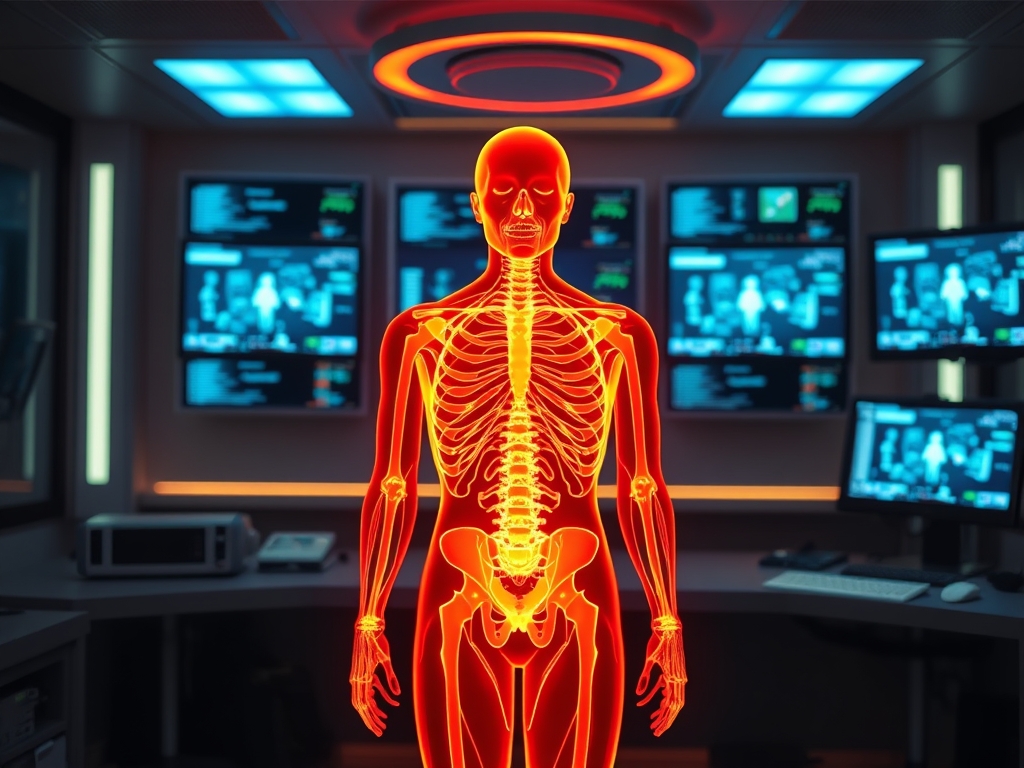
The healthcare sector is undergoing a profound transformation. The demand for more efficient, cost-effective, and personalized patient care is accelerating the adoption of innovative technologies. Digital twins, virtual representations of physical entities, are becoming invaluable tools. They allow healthcare providers to simulate, analyze, and optimize processes, patient health, and treatment plans.
The trend towards remote patient monitoring is particularly noteworthy. By leveraging digital twins, clinicians can continuously monitor patients' vital signs, medication adherence, and overall health status remotely.
Here's a snapshot of the expected growth:
| Feature | Projected Value (USD Billion) | Growth Rate (CAGR) |
|---|---|---|
| Digital Twin in Healthcare Market | 18.3 | 28.5% |
| Remote Patient Monitoring Market | 22.4 | 23% |
(Source: Market Research Reports)
Core Mechanisms & Driving Factors
At the heart of a digital twin's power lies its ability to create a real-time, dynamic replica of a physical entity. In healthcare, this can be anything from a patient's organ to an entire hospital system. Several factors are driving the adoption of digital twins:
- Improved Patient Outcomes: Early detection of anomalies and personalized treatment plans.
- Reduced Healthcare Costs: Optimized resource allocation and preventative care.
- Enhanced Operational Efficiency: Streamlined workflows and predictive maintenance of medical equipment.
- Data-Driven Decision-Making: Empowering clinicians with actionable insights.
- Faster Innovation Cycles: Ability to test treatments, devices and processes in a virtual environment.
The Actionable Framework
Implementing a digital twin solution for patient monitoring requires a systematic approach. This is an example framework and each step demands specific expertise.
1. Data Acquisition and Integration
It begins with gathering comprehensive patient data from various sources: electronic health records (EHRs), wearable sensors, imaging systems, and lab results. This data needs to be integrated, standardized, and secured to ensure data integrity and patient privacy.
2. Digital Twin Creation
A virtual model is constructed, representing the patient’s physical state. This model incorporates all gathered data and is capable of displaying the state of the patient’s physical counterpart.
3. Simulation and Analysis
The digital twin is used to simulate various scenarios, predict health outcomes, and analyze the impact of different treatment strategies. This involves the utilization of complex algorithms and machine learning models.
4. Continuous Monitoring and Optimization
The digital twin is continuously updated with real-time patient data. This enables continuous monitoring of patient health and provides the ability to adjust treatment plans as needed.
5. Deployment and Integration
Digital twin technology must be properly deployed and integrated into existing workflows. Clinicians and healthcare providers must be trained to use and interpret the data provided.
Analytical Deep Dive
Consider the potential impact of Digital Twins: They enable proactive preventative care. Let's illustrate with an example: a digital twin of a patient's heart. By analyzing data from sensors, the digital twin can identify early signs of a heart condition, such as a subtle thickening of the heart muscle or changes in blood flow. By combining this information with lifestyle factors, clinicians can use the digital twin to simulate the effects of different interventions such as exercise, diet, and medication. This leads to improved outcomes and lower costs.
Strategic Alternatives & Adaptations
The application of digital twins in healthcare is versatile. Depending on the complexity of the project, a wide range of proficiency levels is possible:
- Beginner Implementation: Start with a basic digital twin focused on a single patient and a specific health condition, like monitoring vital signs.
- Intermediate Optimization: Incorporate more data sources, refine predictive models, and integrate the digital twin with existing healthcare systems.
- Expert Scaling: Develop a comprehensive digital twin platform that includes multiple patients, diseases, and integrates advanced AI functionalities.
Validated Case Studies & Real-World Application
Several hospitals and healthcare systems are already leveraging digital twins to drive innovation and improve patient outcomes. For instance, a hospital used digital twins to optimize its workflow, reduce patient waiting times, and improve the efficiency of its operating rooms. Similarly, digital twins have been used to personalize treatment plans for patients with chronic conditions. One particular example is the use of digital twins in the treatment of diabetes, helping providers to personalize medication and to closely monitor patient’s health and wellbeing.
Risk Mitigation: Common Errors
Digital twin implementations can face several challenges. The most common of these include:
- Data Security Breaches: Failure to protect patient data.
- Lack of Integration: Difficulty integrating the digital twin with existing systems.
- Inaccurate Models: Failure to build accurate and reliable models.
- Poor Adoption: Resistance to change from clinicians.
To mitigate these risks, it's essential to prioritize data security, ensure seamless system integration, validate model accuracy, and provide comprehensive training for healthcare professionals.
Performance Optimization & Best Practices
To maximize the benefits of a digital twin for patient monitoring:
- Prioritize Data Quality: Ensure the data used to create and update the digital twin is accurate, complete, and reliable.
- Implement Robust Security Measures: Protect patient data from unauthorized access and cyber threats.
- Foster Collaboration: Encourage collaboration between healthcare professionals, data scientists, and technology experts.
- Continuously Validate and Refine: Regularly review and update the digital twin model to ensure its accuracy and relevance.
Scalability & Longevity Strategy
For sustained success, it’s critical to develop a scalable and adaptable digital twin solution.
- Start Small and Scale Strategically: Begin with a pilot project and gradually expand the scope.
- Embrace Automation: Automate data collection, processing, and analysis.
- Invest in Continuous Training: Keep healthcare professionals up-to-date with new technologies and best practices.
Knowledge Enhancement FAQs
Q: How can digital twins help improve medication adherence?
A: Digital twins can analyze patient data and identify patterns of medication non-adherence. This allows clinicians to personalize interventions, such as providing reminders, and adjusting the medication schedule to better suit the patient's lifestyle.
Q: What are the key ethical considerations of digital twins in healthcare?
A: Data privacy, algorithmic bias, and the potential for over-reliance on technology are crucial ethical considerations. It is crucial to have transparent, fair, and accountable systems in place.
Q: What are the biggest technological challenges facing digital twin adoption in healthcare?
A: Data integration, data interoperability, and the development of sophisticated predictive models.
Q: How can AI be integrated with digital twins in healthcare?
A: AI algorithms can analyze patient data, identify patterns, and generate predictions. This information can be integrated to the virtual representation to improve decision-making.
Q: What role do wearable devices play in digital twin for healthcare?
A: Wearable devices, such as smartwatches and health trackers, generate a continuous stream of data that can be used to populate and update the patient's digital twin. This information allows for a more comprehensive picture of the patient's health and wellness.
Q: Is digital twin technology more costly than traditional health monitoring?
A: Initial costs can be higher, but the long-term potential for improving patient outcomes and reducing costs through proactive care makes them more cost-effective.
Conclusion
The power of digital twins in healthcare is undeniable. This technology represents a paradigm shift, enabling healthcare providers to deliver personalized patient care, improve patient outcomes, and optimize healthcare delivery. By leveraging real-time data, advanced analytics, and predictive modeling, we are entering a new era of proactive and patient-centric healthcare.
Call to Action: Explore the latest advancements in AI-powered digital twins and how they are transforming the healthcare landscape. Learn more about personalized patient monitoring and its benefits.