
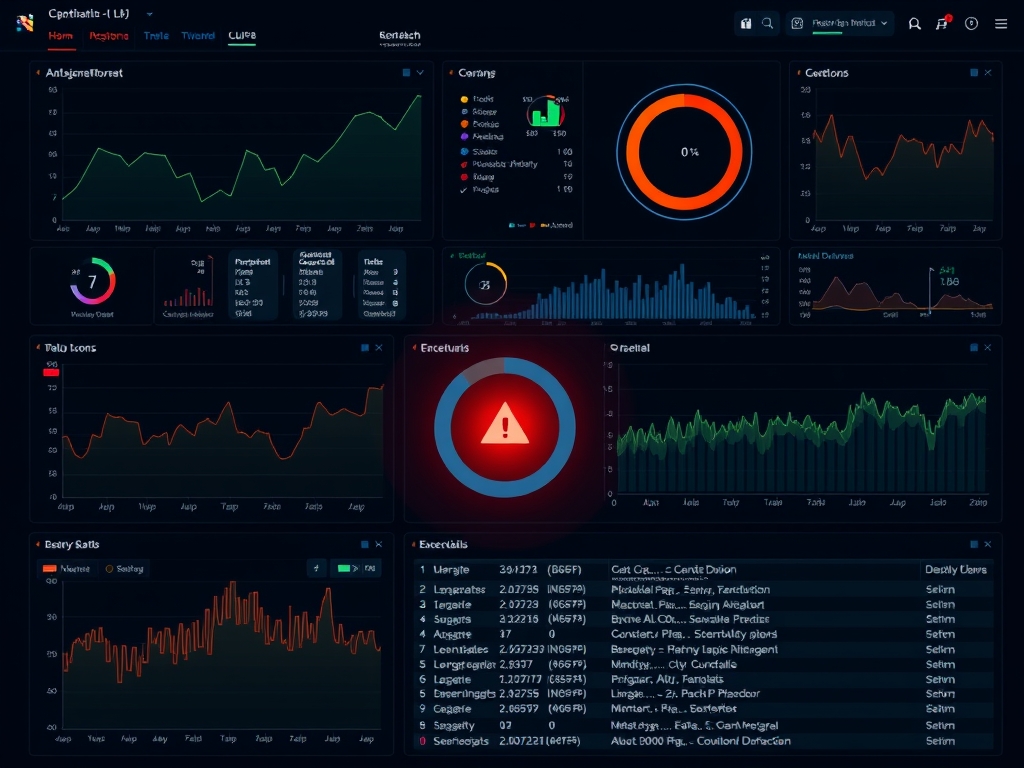
Cybersecurity threats are evolving at an unprecedented pace, with new attacks emerging daily. Did you know that the average time to identify and contain a data breach is 277 days? This alarming statistic underscores the critical need for robust Security Information and Event Management (SIEM) systems. Implementing a comprehensive SIEM solution is no longer a luxury but a fundamental necessity for any organization looking to protect its valuable assets and maintain operational resilience.
Foundational Context: Market & Trends
The SIEM market is experiencing significant growth, driven by the increasing sophistication of cyberattacks and the stringent regulatory landscape surrounding data privacy. Recent reports forecast a global SIEM market size exceeding $8 billion by 2028, reflecting a compound annual growth rate (CAGR) of over 10%. This expansion is fueled by:
- Growing Cyber Threat Landscape: The frequency and severity of cyberattacks, including ransomware, phishing, and malware, continue to rise, compelling organizations to invest in advanced security measures.
- Regulatory Compliance: Stringent data protection regulations such as GDPR, CCPA, and HIPAA are mandating organizations to implement robust security practices, including SIEM solutions, to ensure data privacy and prevent breaches.
- Cloud Adoption: The shift towards cloud computing has broadened the attack surface, creating a need for SIEM solutions that can monitor and analyze security events across cloud environments.
Core Mechanisms & Driving Factors
The effectiveness of a SIEM system lies in its ability to collect, analyze, and correlate security events from various sources. The driving factors that influence SIEM effectiveness include:
- Data Collection: Gathering logs and event data from diverse sources, including servers, networks, firewalls, and applications.
- Real-time Analysis: Processing and analyzing data in real time to detect suspicious activities and potential threats.
- Correlation and Incident Management: Linking events to identify patterns and potential security incidents, then facilitating incident response workflows.
- Reporting and Compliance: Generating reports and dashboards to provide insights into security posture and compliance requirements.
The Actionable Framework
Implementing a SIEM solution can seem complex, but it can be simplified. Here's a framework to guide your implementation:
1. Planning and Assessment
Begin by identifying your organization's assets and assessing the potential threats they face. Develop a clear understanding of your security objectives and compliance requirements.
2. Implementation
Choose a SIEM solution that aligns with your specific needs. Deploy the SIEM system and configure it to collect data from your various data sources.
3. Tuning and Optimization
Adjust the rules and configurations based on insights from the collected data. Tune the SIEM system to reduce false positives and improve the accuracy of threat detection.
4. Continuous Monitoring and Improvement
Regularly review your SIEM's performance, refine your security policies, and stay updated with the latest threat intelligence.
Analytical Deep Dive
According to the Verizon Data Breach Investigations Report (DBIR), over 80% of data breaches involve compromised credentials. Effective SIEM systems play a critical role in detecting and preventing breaches related to credential abuse.
Strategic Alternatives & Adaptations
For organizations with limited resources, a Managed SIEM (MSIEM) service could be a viable alternative. MSIEM providers offer expertise, infrastructure, and ongoing management, freeing up internal IT teams to focus on core business functions.
For beginner users, start with a cloud-based SIEM solution to eliminate the need for on-premises infrastructure.
For intermediate users, focus on customizing rules and dashboards to gain insights.
Expert users can delve into advanced analytics and integrations with threat intelligence feeds.
Risk Mitigation: Common Errors
- Failure to Define Clear Objectives: Avoid setting unclear security goals. Establish specific, measurable, achievable, relevant, and time-bound (SMART) objectives.
- Poor Data Source Integration: Ensure comprehensive data from all relevant sources, including endpoint, network, and application data.
- Insufficient Tuning: Constantly refine rules and alerts to minimize noise and improve accuracy.
Performance Optimization & Best Practices
To enhance the performance of your SIEM solution, consider the following:
- Prioritize and Categorize Alerts: Focus on the most critical alerts and categorize them based on severity.
- Regularly Review Logs: Conduct periodic reviews of your log data to identify and address security blind spots.
- Implement Automation: Automate tasks like incident response to speed up threat mitigation.
- Invest in User Training: Educate your employees about security awareness and reporting.
Scalability & Longevity Strategy
To ensure long-term stability and growth, consider scalability when selecting your SIEM solution. The ability to handle increasing volumes of data and integrate with emerging technologies is vital. Regular updates and maintenance are vital for SIEM efficiency.
Concluding Synthesis
Implementing a robust Security Information and Event Management (SIEM) solution is an investment in your organization's future. It’s an essential part of securing your digital environment. Proactive threat detection, real-time threat analysis, and enhanced compliance are benefits.
By adopting the strategies and best practices outlined above, you can significantly strengthen your organization's security posture.
Knowledge Enhancement FAQs
Q1: What are the key components of a SIEM system?
A: Data collection, real-time analysis, correlation, incident management, and reporting.
Q2: How does a SIEM system improve incident response?
A: By providing visibility into security events, enabling rapid detection, and facilitating automated incident response.
Q3: What are the benefits of using a Managed SIEM (MSIEM) service?
A: Offloads the burden of SIEM deployment and management to a third-party provider, freeing internal resources to focus on core business activities.
Q4: How does SIEM help with regulatory compliance?
A: By providing centralized log management, real-time monitoring, and compliance reporting.