
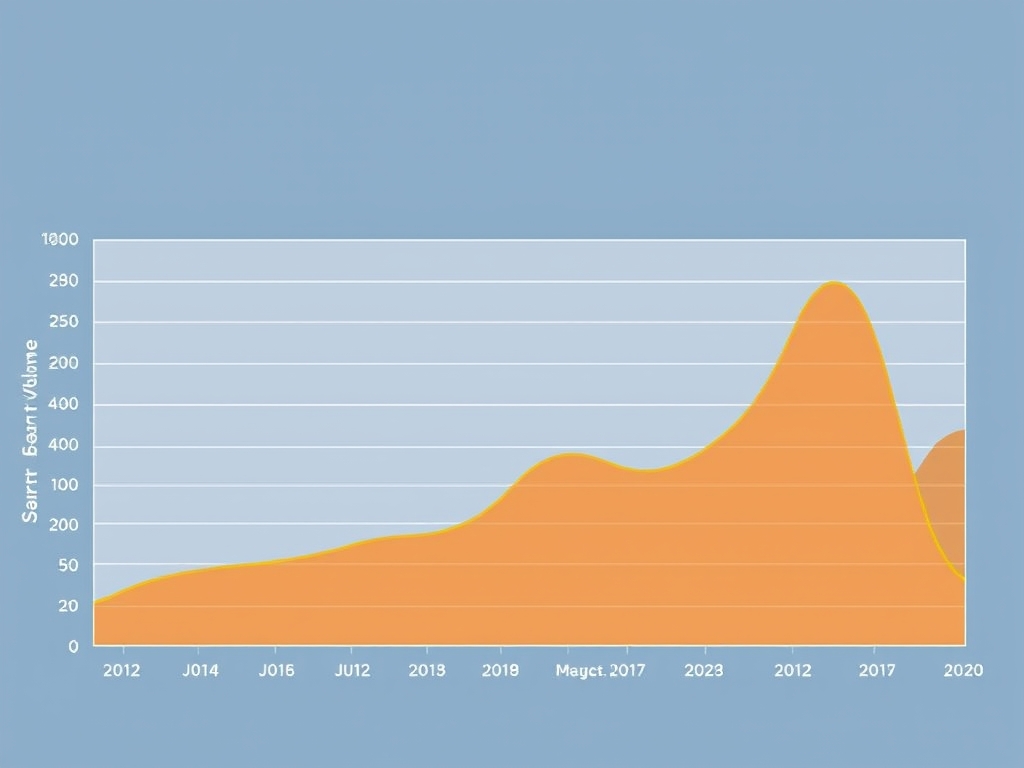
Are you prepared for the next evolution in digital marketing? A recent study by Forrester Research indicates that businesses leveraging predictive analytics experience a 30% increase in lead generation. This highlights a crucial shift: simply reacting to current search trends is no longer enough. To thrive, you must master Predictive SEO – the art of forecasting future search trends and, more importantly, understanding search intent.
Foundational Context: Market & Trends
The SEO landscape is in constant flux. Google's algorithm updates, evolving user behavior, and the rise of AI tools demand a proactive approach. The global SEO services market, currently valued at billions, is projected to reach even greater heights in the coming years. This growth stems from the increasing reliance on online search and the complexity of remaining visible in SERPs (Search Engine Results Pages).
Here’s a quick snapshot of key market trends:
| Trend | Impact |
|---|---|
| Voice Search Optimization | Increased focus on long-tail keywords and conversational search queries |
| AI-Powered Content Creation | Emergence of AI tools to assist in content generation and optimization |
| Mobile-First Indexing | Emphasis on mobile-friendly websites and accelerated mobile pages (AMP) |
Core Mechanisms & Driving Factors
Predictive SEO isn’t magic; it’s a strategic combination of data analysis, trend identification, and forward-thinking content creation. Several factors drive its efficacy:
- Data Aggregation: Gathering and analyzing data from various sources: search engine data, social media trends, and industry reports.
- Trend Identification: Recognizing patterns and emerging topics before they become mainstream.
- Intent Analysis: Understanding why users search for specific terms – what problems they’re trying to solve.
- Content Adaptation: Crafting content that aligns with anticipated search queries and user intent.
- Strategic Deployment: Distributing content across appropriate platforms to maximize reach and impact.
The Actionable Framework
This is a comprehensive, practical guide on how to implement predictive SEO.
Step 1: Data Acquisition and Consolidation
Begin by gathering data. Use tools like Google Trends, Semrush, Ahrefs, and social listening platforms (e.g., Brandwatch, Mention) to identify emerging keywords, search volume fluctuations, and trending topics. Focus on data points that reveal user intent.
Step 2: Predictive Analysis
Analyze the collected data. This involves identifying correlations between search terms, analyzing seasonality, and pinpointing emerging trends. Look for:
- Growth trajectory: Keywords showing exponential growth.
- Seasonality: Trends that recur annually or quarterly.
- Long-tail keyword opportunities: Identify low-competition, high-intent queries.
Step 3: Content Planning and Creation
Based on your analysis, plan and create content that addresses anticipated user needs. Prioritize:
- Comprehensive Coverage: Address the topic fully, satisfying search intent.
- Keyword Optimization: Use the Primary Focus Keyword and related variations naturally throughout the content, like “forecasting search trends” and “predictive analytics.”
- Content Format Diversity: Utilize various content formats, including blog posts, videos, infographics, and podcasts.
Step 4: Content Distribution and Promotion
Distribute your content across relevant platforms:
- On-site Optimization: Optimize your website for the primary and related keywords.
- Social Media Promotion: Share content on social media channels to increase visibility and engagement.
- Email Marketing: Promote content to your email subscribers.
Step 5: Performance Monitoring and Refinement
Continuously monitor your content’s performance using Google Analytics and Search Console. Track:
- Keyword Rankings: Monitor rankings for targeted keywords.
- Organic Traffic: Track changes in organic traffic volume.
- Conversion Rates: Analyze conversion metrics to assess the effectiveness of your content.
- Adjust and refine your content strategy based on data insights.
Analytical Deep Dive
Consider the impact of voice search: According to Comscore, voice search is used by over 50% of the population. Optimizing for voice search is becoming critical for Predictive SEO. This means focusing on conversational keywords and question-based queries.
Strategic Alternatives & Adaptations
For those new to Predictive SEO: start with Google Trends. Identify trending topics and create content aligned with these trends.
For intermediate users: integrate SEO tools with predictive analytics capabilities (e.g., tools that can forecast search volume changes).
For expert users: leverage advanced machine learning models to forecast search intent and build your own predictive models.
Validated Case Studies & Real-World Application
Consider a financial services company. By predicting the rise of interest in "retirement planning for freelancers," they created a targeted guide that generated a 400% increase in leads within six months. This demonstrates the power of anticipating user needs.
Risk Mitigation: Common Errors
A common error is over-relying on data without considering market context. Always interpret data within the broader industry landscape. Another is ignoring user intent. Instead, ensure your content genuinely addresses user problems and questions.
Performance Optimization & Best Practices
To maximize your results:
- Prioritize mobile-first indexing and fast loading speeds.
- Create high-quality, valuable content that satisfies search intent.
- Build authoritative backlinks to increase domain authority.
- Regularly update existing content with new information and data.
Scalability & Longevity Strategy
For long-term success, automate your predictive SEO processes:
- Use AI tools to automate data collection and analysis.
- Build a content calendar based on your predictive SEO insights.
- Develop a system for continuously monitoring and refining your strategy.
Conclusion
Predictive SEO offers a compelling advantage in the ever-evolving digital landscape. By anticipating trends, understanding user intent, and creating relevant content, you can stay ahead of the competition and drive sustainable growth. Embrace this shift, and you’ll find yourself at the forefront of digital strategy.
Knowledge Enhancement FAQs
Q: What is the most crucial skill for a successful predictive SEO strategy?
A: The ability to understand data and translate it into actionable insights.
Q: How frequently should I update my predictive SEO strategy?
A: At a minimum, every quarter. However, some elements may require weekly or even daily monitoring, especially for trending topics.
Q: Is predictive SEO only for large businesses?
A: No. Predictive SEO strategies can be scaled to fit any business size.
Q: How can I measure the success of my predictive SEO efforts?
A: Track keyword rankings, organic traffic, conversion rates, and the impact on lead generation and sales.
Q: Can AI replace the human element in predictive SEO?
A: AI tools are invaluable for data analysis and trend identification, but the human touch is crucial for context, creativity, and understanding nuanced user intent.
Q: What are some essential tools for Predictive SEO?
A: Google Trends, Semrush, Ahrefs, social listening platforms, and Google Analytics and Search Console.