
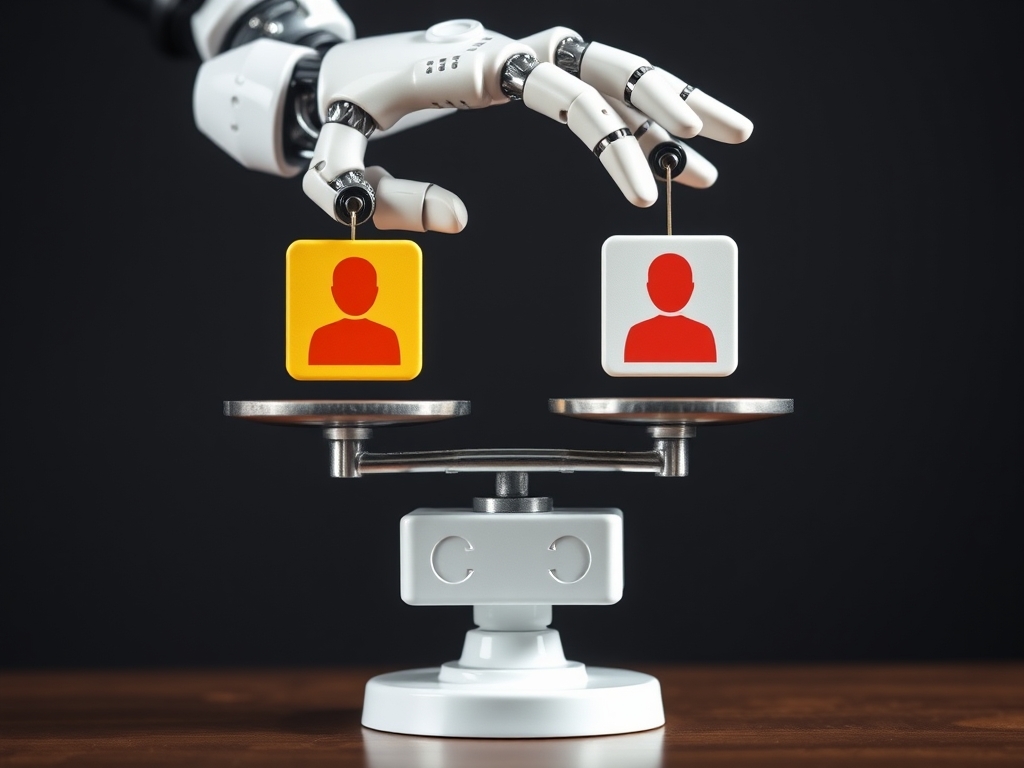
Did you know that unconscious bias can cost companies millions in hiring inefficiencies and missed opportunities? The integration of Artificial Intelligence (AI) in recruiting isn't just a trend; it's a paradigm shift. Companies are now leveraging AI in Personalized Recruiting to identify qualified candidates objectively and create more inclusive workplaces. This article delves into the transformative power of AI in creating a bias-free and efficient recruiting process.
Foundational Context: Market & Trends
The global AI in recruitment market is experiencing significant growth. According to a recent report by Grand View Research, the market was valued at USD 1.3 billion in 2022 and is expected to expand at a compound annual growth rate (CAGR) of 13.9% from 2023 to 2030. This growth is driven by the need for more efficient and objective hiring processes, the rising adoption of cloud-based solutions, and increasing awareness of the impact of Bias-free hiring practices.
The focus is shifting from simply automating tasks to personalizing the candidate experience. This means tailoring communication, offering personalized feedback, and matching candidates with opportunities that align with their skills and aspirations.
- Automation: Automating manual processes like screening resumes.
- Personalization: Tailoring the candidate experience.
- Bias Mitigation: Reducing unconscious bias in the hiring process.
Core Mechanisms & Driving Factors
Several key components are driving the effectiveness of AI in recruiting:
- Natural Language Processing (NLP): NLP algorithms analyze resumes and cover letters to extract relevant information, assess skills, and identify potential matches.
- Machine Learning (ML): ML models learn from historical hiring data to predict candidate success and identify patterns indicative of high-performing employees.
- Algorithmic Fairness: AI is designed to minimize bias, ensuring all candidates are evaluated based on their qualifications, not demographic factors. This is crucial for Bias-free hiring.
- Personalized Candidate Experience: AI enables recruiters to provide tailored communication, feedback, and support throughout the hiring process.
The Actionable Framework: Implementing AI Tools
Here's how to implement AI tools effectively:
- Step 1: Define Your Needs: Before adopting any AI tool, clearly outline your recruiting goals, target roles, and company values.
- Step 2: Choose the Right Tools: Select AI-powered tools that align with your needs and budget.
- Step 3: Train Your Team: Equip your recruitment team with the knowledge and skills to utilize AI tools effectively.
- Step 4: Integrate and Monitor: Integrate AI tools into your existing hiring workflow and regularly monitor their performance.
"Many companies fail to fully leverage AI because they don't integrate it well with existing systems," explains Dr. Emily Carter, a leading expert in HR technology.
Analytical Deep Dive
Consider these statistics:
- Improved Time-to-Hire: Companies adopting AI-powered recruiting tools have reported a reduction in time-to-hire by up to 50%.
- Cost Savings: AI tools can reduce recruitment costs by up to 30% by automating administrative tasks and improving efficiency.
- Enhanced Candidate Quality: AI-driven tools often lead to a 20-30% increase in the quality of hires.
Strategic Alternatives & Adaptations
For Beginner Implementation: Start with AI-powered resume screening and candidate sourcing tools. These are easier to implement and offer immediate benefits.
For Intermediate Optimization: Explore AI-driven interview scheduling, virtual assessment tools, and automated communication platforms.
For Expert Scaling: Integrate AI into all aspects of the hiring process, including predictive analytics, workforce planning, and employee retention strategies.
Validated Case Studies & Real-World Application
A Fortune 500 company significantly improved its diversity hiring metrics by implementing AI-powered screening tools. The tools helped identify a broader range of qualified candidates, leading to a more diverse applicant pool and increased hires from underrepresented groups. Furthermore, the company reported a decrease in time-to-hire by 40% and a 25% reduction in recruitment costs.
Risk Mitigation: Common Errors
- Relying Solely on AI: Avoid making hiring decisions solely based on AI recommendations. Human oversight and judgment are essential.
- Lack of Bias Audit: Implement regular bias audits to ensure AI tools do not perpetuate or amplify existing biases.
- Poor Data Quality: The quality of the data used to train AI models impacts its output. Ensure your data is clean, relevant, and representative.
Performance Optimization & Best Practices
- Regularly Review and Retrain Your Models: AI models need to be regularly updated and retrained with the latest data to maintain their accuracy and relevance.
- Focus on Continuous Improvement: Monitor key metrics such as time-to-hire, cost-per-hire, and candidate satisfaction, and leverage data to optimize your AI-driven recruiting strategy.
- Prioritize Candidate Experience: Provide a seamless and personalized experience.
- Embrace Transparency: Be transparent with candidates about the role of AI in your hiring process.
It’s critical to address ethical concerns and potential biases from the outset.
Scalability & Longevity Strategy
To ensure long-term success:
- Continuously evaluate and refine your AI models.
- Stay up-to-date with the latest AI advancements.
- Invest in training and development.
Conclusion
Integrating AI into your recruiting processes is no longer optional; it's essential for staying competitive in today's talent market. By automating tasks, personalizing the candidate experience, and reducing bias, you can build a more efficient, inclusive, and effective hiring system.
- Focus on transparency, ethical considerations, and continuous improvement.
- Embrace the opportunities that AI offers to revolutionize how you recruit and build your team.
Key Takeaways:
- AI can significantly reduce hiring costs and accelerate the recruitment process.
- Bias-free and personalized recruiting enhances candidate diversity.
- Data integrity is crucial to the accuracy and usefulness of AI tools.
Knowledge Enhancement FAQs
Q1: How can AI help reduce bias in hiring?
A: AI tools can be programmed to use objective criteria and avoid relying on demographic or other irrelevant factors.
Q2: What are the main benefits of using AI for personalized recruiting?
A: Improved candidate experience, faster hiring cycles, and increased applicant quality are key benefits.
Q3: How do I choose the right AI tools for my company?
A: Assess your needs, select tools aligned with your goals, and consider factors like scalability and budget.
Q4: How can I ensure my AI recruiting strategy is long-term sustainable?
A: Focus on continuous improvement, retrain models regularly, and stay abreast of the newest AI trends.
Q5: What are common challenges when using AI in recruiting?
A: Potential bias in AI, data quality issues, and the need for human oversight are common challenges.
Ready to transform your hiring process? Explore our comprehensive guide to AI-powered recruitment tools and discover how to build your dream team.