
The manufacturing sector and infrastructure development are facing a monumental transformation. Did you know that the global digital twin market is projected to reach $125.7 billion by 2030, according to a recent report by Grand View Research? This growth is driven by the increasing need for optimization, efficiency, and predictive maintenance. This is where digital twin technology steps in.
Foundational Context: Market & Trends
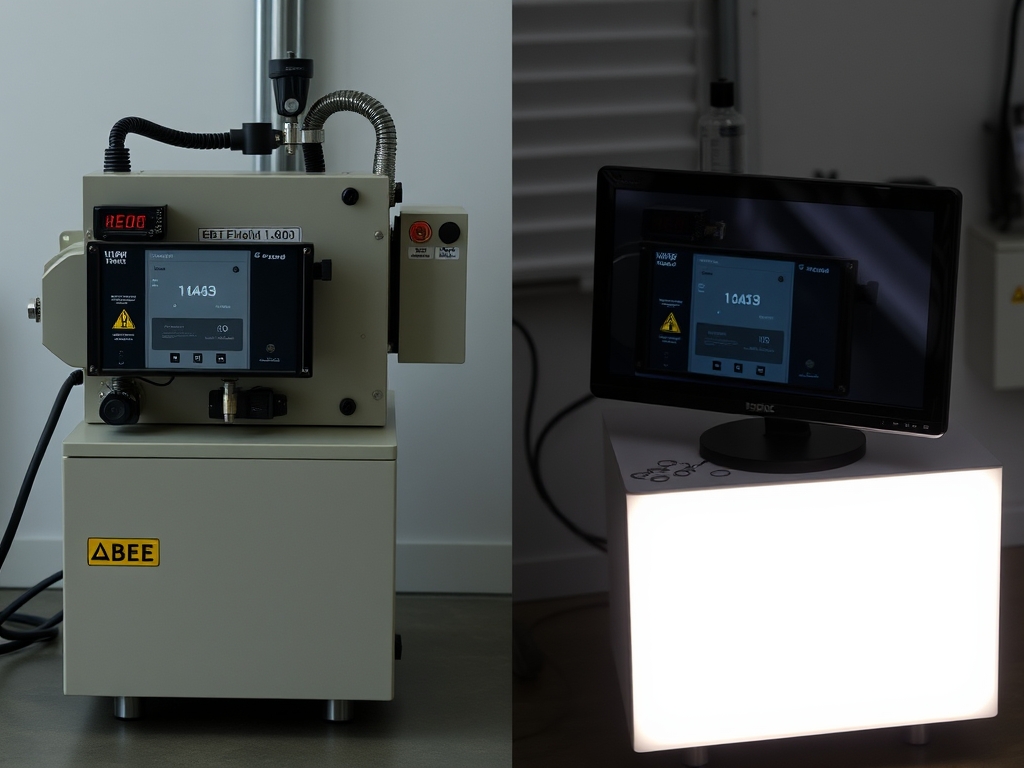
The integration of digital twins is no longer a futuristic concept but a rapidly evolving reality. These virtual representations of physical assets – machinery, buildings, infrastructure – allow for real-time monitoring, analysis, and simulation. The trend toward adopting digital twin technology is fueled by several factors:
- Increased demand for operational efficiency: Companies are constantly striving to reduce costs and optimize resource utilization.
- Growing focus on predictive maintenance: By anticipating potential failures, businesses can minimize downtime and extend the lifespan of their assets.
- Technological advancements: Developments in areas such as IoT, AI, and cloud computing have made digital twins more accessible and powerful.
Market Size Projections: (Illustrative Data)
| Year | Market Size (USD Billion) | Growth Rate |
|---|---|---|
| 2023 | 8.8 | - |
| 2024 | 12.3 | 39.8% |
| 2025 | 17.5 | 42.3% |
| 2026 | 24.8 | 41.7% |
(Note: These figures are illustrative and approximate.)
Core Mechanisms & Driving Factors
At its core, digital twin technology works by creating a virtual replica of a physical asset, which then is updated in real-time with data from sensors, IoT devices, and other sources. Several key components drive the effectiveness of digital twins:
- Data Acquisition: The collection of data is paramount. Sensors and IoT devices provide streams of information about the asset's condition, performance, and environment.
- Data Processing and Analysis: Sophisticated algorithms and AI are employed to process the data, detect patterns, and generate actionable insights.
- Modeling and Simulation: The virtual twin is a dynamic model that can be used to simulate various scenarios, test different designs, and predict future outcomes.
- User Interface and Visualization: A user-friendly interface is crucial for accessing and understanding the information derived from the digital twin.
The Actionable Framework
Implementing digital twin technology isn't a simple "plug-and-play" process. It requires careful planning and execution. Here’s a streamlined framework:
Step 1: Define Your Objectives.
What are you trying to achieve? Are you aiming to reduce downtime, improve efficiency, enhance product quality, or something else? Clear goals will drive your implementation strategy.
Step 2: Choose the Right Technology.
Select the platform, tools, and sensors that align with your objectives and the nature of your physical asset. Consider factors like scalability, integration capabilities, and cost.
Step 3: Collect and Integrate Data.
Implement sensors and establish robust data collection processes. Ensure data is reliable, accurate, and secure.
Step 4: Develop and Deploy the Digital Twin.
Create the virtual replica of your asset. Integrate data feeds and begin testing the model.
Step 5: Analyze and Iterate.
Regularly analyze the data from your digital twin, identify areas for improvement, and refine the model accordingly. This iterative process is essential for realizing the full potential of the technology.
Analytical Deep Dive
Consider the potential for cost savings. According to a McKinsey report, digital twins could reduce maintenance costs by 10-40% and improve operational efficiency by 10-20%. These figures underscore the value of using modeling physical assets within a digital framework.
Strategic Alternatives & Adaptations
For those just starting, begin with a pilot project focused on a single piece of equipment. Then, use that experience to scale up.
- Beginner Implementation: Start with a simple digital twin focusing on monitoring a specific piece of machinery. This allows you to learn the basics without a massive investment.
- Intermediate Optimization: Expand to include predictive maintenance capabilities. Use the digital twin to predict potential failures and schedule maintenance proactively.
- Expert Scaling: Integrate multiple digital twins across your entire operation, creating a comprehensive digital ecosystem that streamlines the end-to-end process.
Validated Case Studies & Real-World Application
Consider a manufacturing plant that implemented digital twin technology to monitor its production line. By analyzing data from sensors, they identified a bottleneck in one of the machines. They were able to optimize its operation, leading to a 15% increase in production output and a significant reduction in downtime.
Risk Mitigation: Common Errors
- Ignoring Data Quality: A digital twin is only as good as the data it receives. Poor data quality can lead to inaccurate insights and wasted resources.
- Lack of Clear Objectives: Without clearly defined goals, it can be challenging to determine what data to collect, what analysis to perform, and what value to derive from the digital twin.
- Overlooking Integration Challenges: Integrating a digital twin with existing systems can be complex. Proper planning and preparation are crucial.
Performance Optimization & Best Practices
To boost performance, follow these guidelines:
- Prioritize Data Integrity: Implement stringent data validation and cleansing procedures.
- Invest in Training: Ensure your team has the skills and knowledge to use and maintain the digital twin.
- Foster Collaboration: Encourage collaboration between engineering, IT, and operations teams to maximize the benefits of the technology.
- Regularly Review and Refine: The process is never static. Continually look for ways to improve the model and the insights it provides.
Scalability & Longevity Strategy
For sustained success, focus on:
- Modular Design: Design your digital twin infrastructure in a modular way. This allows you to easily scale up the system as your needs evolve.
- Cloud-Based Infrastructure: Leverage cloud computing for scalability, flexibility, and cost-effectiveness.
- Embrace AI and Machine Learning: Integrate AI and machine learning capabilities to automate analysis and improve predictive accuracy.
Concluding Synthesis
The future of manufacturing and infrastructure is intertwined with digital twin technology. It empowers organizations to optimize operations, improve efficiency, reduce costs, and make data-driven decisions. If you're looking to stay competitive, investing in a digital twin strategy is a wise move.
Knowledge Enhancement FAQs
Q: What are some of the security risks associated with digital twins?
A: Data breaches, unauthorized access, and malicious attacks are among the security risks. Robust security protocols are essential.
Q: How can I measure the ROI of digital twin implementation?
A: Track metrics such as reduced downtime, improved efficiency, and cost savings.
Q: What industries are currently benefiting most from digital twins?
A: Manufacturing, aerospace, healthcare, and energy sectors are seeing substantial benefits.
Q: Is there a significant initial investment for digital twin technology?
A: The upfront investment can vary greatly. However, the long-term ROI usually justifies the cost.
Q: What are the biggest challenges in implementing a digital twin?
A: Data integration, data quality, and the complexity of the technology can pose challenges.
Q: What is the main difference between digital twin and simulation?
A: Digital twins are dynamic, real-time representations, while simulations model scenarios. They are often integrated.