
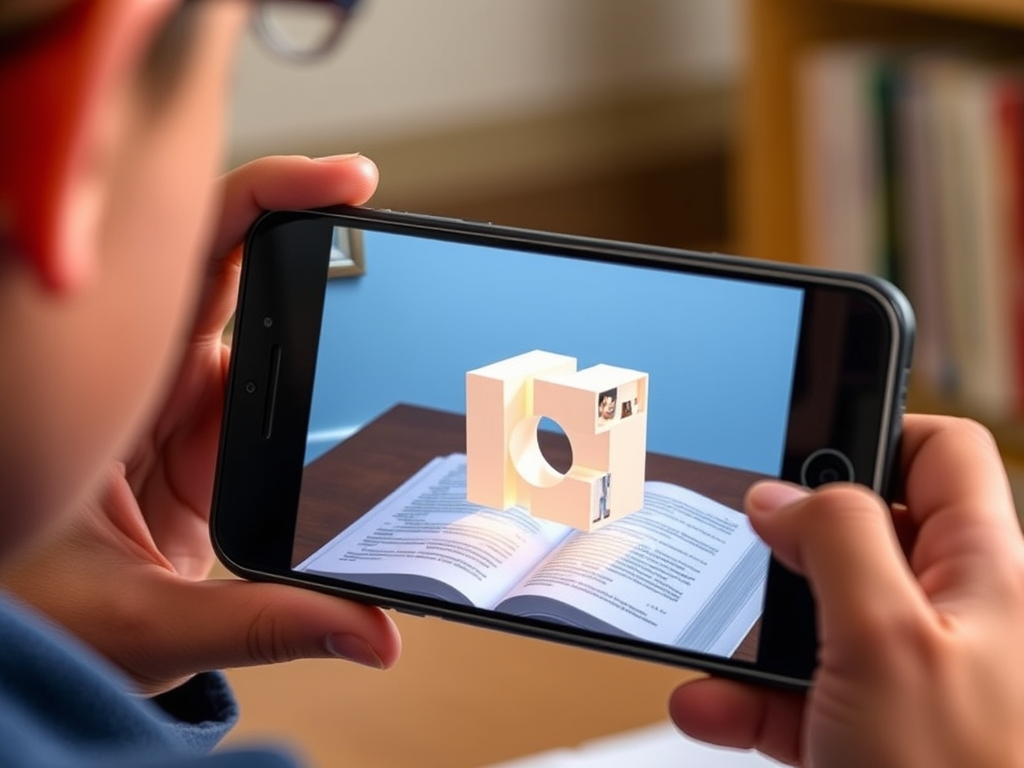
Did you know that the global augmented reality (AR) market in education is projected to reach $1.9 billion by 2028? That’s a significant leap from the $185 million recorded in 2020, signaling a profound shift in how we approach learning. This transformation, powered by Augmented Reality (AR) in Education, promises to revolutionize student engagement and comprehension, but what exactly does this burgeoning market hold for educators, learners, and the future of education itself? Let's dive deep.
Foundational Context: Market & Trends
The rapid growth of the AR in Education market isn't just a trend; it's a paradigm shift. Reports indicate a compound annual growth rate (CAGR) exceeding 27% from 2021 to 2028. This expansion is fueled by:
- Increased Accessibility: The proliferation of affordable AR-enabled devices, such as smartphones and tablets, makes AR applications more accessible than ever.
- Enhanced Learning Outcomes: AR's immersive nature significantly boosts student engagement, leading to improved knowledge retention and deeper understanding.
- Integration with Emerging Technologies: AR is increasingly intertwined with AI, Machine Learning (ML), and other advanced tech, opening up new possibilities.
Consider this data comparison:
| Feature | Traditional Education | Augmented Reality Education |
|---|---|---|
| Engagement | Low | High |
| Comprehension | Moderate | High |
| Accessibility | Limited | High |
| Cost | Variable | Decreasing |
Core Mechanisms & Driving Factors
The core mechanisms driving the efficacy of AR in education hinge on several key factors.
- Immersive Experiences: AR overlays digital information onto the real world, allowing students to interact with subjects in dynamic, visual, and interactive ways. For instance, students can dissect a virtual frog or explore a historical site without leaving their classroom.
- Gamification: AR applications often incorporate game-like elements, which significantly increase student motivation. Points, badges, and competitive challenges make learning more enjoyable.
- Personalized Learning: AR allows for personalized learning experiences that cater to individual student needs and learning styles. Students can learn at their own pace and revisit concepts as needed.
- Accessibility for All: AR helps students with disabilities. It provides alternative ways to interact with content. Visual and auditory cues can be provided.
The Actionable Framework: Implementing AR in Your Curriculum
Integrating AR into your curriculum isn't just about using fancy technology; it's about reimagining how students learn. Follow these steps:
Step 1: Define Your Learning Objectives
- What specific knowledge or skills do you want your students to acquire? Aligning AR activities with your learning goals is the first, crucial step.
- Example: Instead of lecturing on the solar system, design an AR experience where students manipulate a 3D model of the planets.
Step 2: Choose the Right AR Tools
- There are numerous AR apps and platforms available, many of which are free or have affordable subscription models. Research and select tools that are compatible with your devices and curriculum requirements. Consider tools like:
- Google Expeditions: Offers immersive virtual field trips.
- QuiverVision: Allows coloring pages to come to life with AR.
- AugThat: Offers 3D models and interactive experiences.
Step 3: Develop Engaging AR Activities
- Design interactive activities that encourage student participation and exploration.
- Tip: Encourage students to create their AR experiences through tools like CoSpaces Edu or Metaverse to enhance creativity.
- Ask students to create their own AR tours using the digital tool and share it.
Step 4: Integrate AR into Existing Lessons
- AR isn't meant to replace traditional teaching methods but to supplement them. Use it strategically to enhance lessons.
- Adaptation: Integrate it with videos, quizzes, and discussions to create a comprehensive learning experience.
Step 5: Assess Student Learning
- Use assessments that gauge student understanding of the concepts presented via AR.
- Assessment Tools: quizzes, projects, or presentations.
Validated Case Studies & Real-World Application
Numerous successful AR applications demonstrate its transformative power:
- Medical Training: Medical schools use AR to visualize complex anatomy and practice surgical procedures. This enhances practical training and reduces reliance on cadavers.
- Cultural Preservation: Museums utilize AR to bring artifacts and exhibits to life, offering immersive experiences that promote cultural understanding.
- Special Education: AR tools help students with special needs engage with the material.
Risk Mitigation: Common Errors
While AR offers vast potential, educators must navigate potential pitfalls:
- Over-reliance: Avoid replacing all traditional teaching methods with AR. It should be a complementary tool.
- Technical Difficulties: Make sure your equipment is tested, and the applications are properly working before using them in the classroom.
- Lack of Training: Ensure educators are properly trained to use AR tools.
Performance Optimization & Best Practices
To maximize the impact of AR in education:
- Start small: Begin with one or two AR projects before fully integrating the technology.
- Seek feedback: Gather feedback from students and adjust your approach.
- Collaborate: Partner with other educators to share best practices.
- Stay updated: The AR landscape is rapidly evolving. Continue learning.
Scalability & Longevity Strategy
For sustained success, consider:
- Cloud-Based Storage: Store your content and resources on the cloud.
- Develop an AR library: Create a bank of AR experiences that can be reused and adapted across multiple lessons and grade levels.
Concluding Synthesis
AR in education is more than just a passing trend; it's a powerful tool with the potential to transform how students learn. By understanding its core mechanisms, implementing actionable frameworks, and avoiding common pitfalls, educators can harness AR's full potential.
The future of education is interactive, engaging, and personalized, and AR is paving the way.
Knowledge Enhancement FAQs
Q1: What are the primary advantages of using AR in education compared to traditional methods?
A: AR provides immersive and interactive experiences, enhances engagement, offers personalized learning, and increases accessibility. It is more effective.
Q2: Are there any limitations or challenges associated with implementing AR in the classroom?
A: Challenges include the cost of devices, technical issues, and the need for proper teacher training.
Q3: How can teachers ensure AR activities align with curriculum standards?
A: By carefully aligning AR applications with learning objectives, integrating AR seamlessly into existing lessons, and assessing student learning in line with curriculum.
Q4: What resources are available for educators who want to start using AR in the classroom?
A: There are numerous free AR apps and platforms, professional development courses, and online communities dedicated to AR in education.