
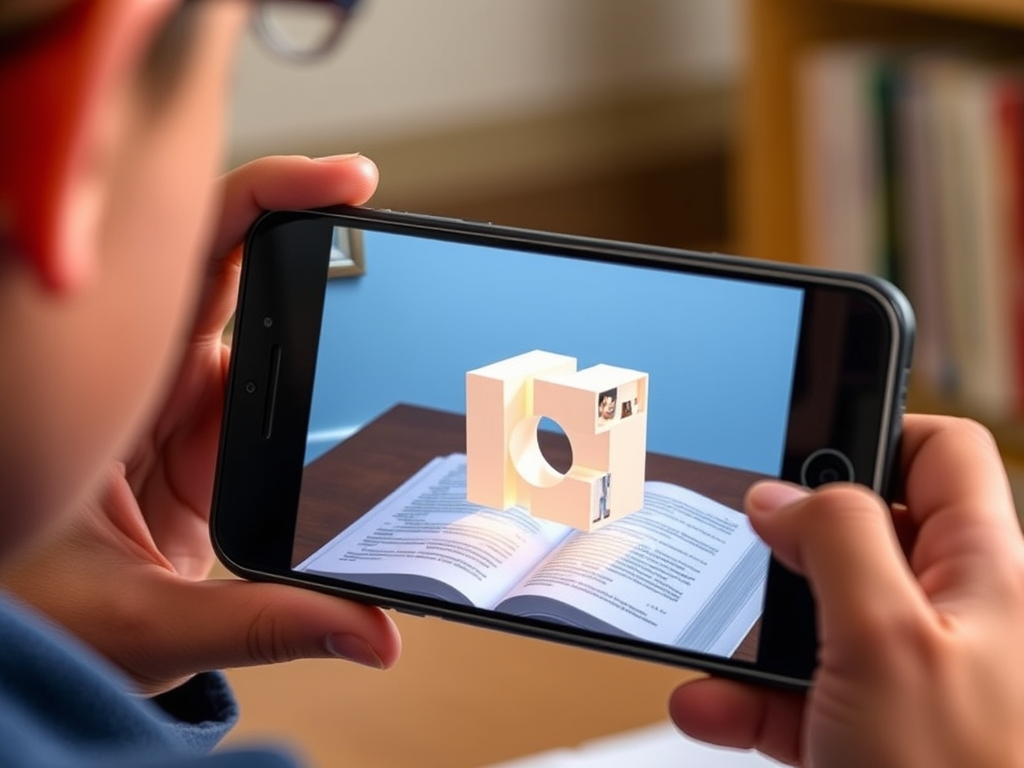
Did you know that by 2025, the Augmented Reality (AR) market in education is projected to reach over $1.7 billion? That's a staggering figure, and it underscores the transformative power of Augmented Reality (AR) in education. It's not just a futuristic gimmick anymore; it's rapidly becoming an essential tool for creating immersive and engaging learning experiences. This blog post will dive deep into how AR is reshaping classrooms, transforming the way students learn, and the potential it unlocks for the future of education.
Foundational Context: Market & Trends
The educational technology (EdTech) market has been booming, and AR is riding that wave. While still in its early stages of widespread adoption, the growth trajectory is undeniable. Market analysis predicts that AR in education will experience a compound annual growth rate (CAGR) of over 30% in the coming years. This surge is fueled by several key trends:
- Increased Device Accessibility: The proliferation of smartphones and tablets in classrooms provides a readily available platform for AR applications.
- Growing Content Availability: Developers are rapidly creating a wide variety of AR-based educational content, from interactive anatomy lessons to virtual field trips.
- Enhanced Learning Outcomes: Studies are demonstrating the effectiveness of AR in improving student engagement, comprehension, and retention.
Here’s a simplified view of projected market growth:
| Year | Market Size (USD Billion - Estimated) |
|---|---|
| 2023 | 0.8 |
| 2025 | 1.7 |
| 2027 | 3.5 |
| 2030 | 7.0 |
This data alone highlights the significant investment in the sector.
Core Mechanisms & Driving Factors
So, what exactly makes AR so effective? The core mechanisms driving its success are multifaceted:
- Immersion and Engagement: AR overlays digital information onto the real world, creating a highly engaging and immersive learning environment. Students are active participants, not passive recipients, which boosts their interest.
- Enhanced Visualization: AR allows students to visualize complex concepts that are difficult to grasp through traditional methods. For instance, dissecting a frog virtually or exploring the inner workings of a cell.
- Personalized Learning: AR applications can be tailored to meet individual student needs and learning styles. The technology adapts to the student's pace and provides customized feedback.
- Accessibility and Inclusivity: AR can provide access to educational content for students with disabilities. It can assist with visual learning and auditory support.
The Actionable Framework: Implementing AR in the Classroom
Integrating AR into education isn't just about downloading an app. Here's a framework to guide its effective implementation:
Step 1: Assessment and Planning
- Identify Learning Objectives: What specific concepts do you want students to master? Align your AR activities with these objectives.
- Choose the Right Tools: Research and select AR apps or platforms suitable for your curriculum and available devices. Consider platforms like QuiverVision, CoSpaces Edu, or Metaverse.
- Budgeting: Consider the budget for the devices, platforms and licenses to take advantage of AR in education.
Step 2: Content Creation and Curation
- Explore Existing Resources: Utilize the many pre-made AR experiences that are already available, covering a vast range of subjects.
- Create Custom Content (Optional): If needed, consider building your own AR experiences using development tools like Unity or ARKit (for iOS) and ARCore (for Android).
- Adapt Content: Be ready to adapt the contents to the device used.
Step 3: Implementation and Training
- Pilot Program: Start small. Test the AR experience with a small group of students to gather feedback.
- Teacher Training: Ensure educators are comfortable using the AR tools and can guide students effectively.
- Technical Support: Establish technical support to help address any device-related issues.
Step 4: Evaluation and Iteration
- Assess Student Learning: Evaluate whether the AR activities helped students achieve their learning objectives. Use quizzes, projects, and observation.
- Gather Feedback: Collect feedback from students and teachers about their experience with AR.
- Iterate and Improve: Based on the evaluation and feedback, refine your AR implementation strategies.
Analytical Deep Dive
The benefits of Augmented Reality go far beyond just fun. Several studies have shown that AR can significantly improve student outcomes. For example, research indicates a 20-30% increase in information retention among students who use AR-based learning tools compared to those who use traditional methods.
Strategic Alternatives & Adaptations
AR integration can vary depending on your starting point:
- Beginner Implementation: Start with readily available apps and resources. Focus on simple activities that require minimal technical skills. Consider a Geography app that will show you 3d models of landmarks.
- Intermediate Optimization: Explore more advanced features, such as collaborative projects and assessment tools. Take advantage of your school network.
- Expert Scaling: Focus on creating custom AR content or integrating AR with other technologies like virtual reality (VR) to create an enriched learning environment.
Validated Case Studies & Real-World Application
- Medical Training: Medical schools are using AR to allow students to visualize the human anatomy. This helps to improve the accuracy and speed of surgical procedures.
- Science Class: Students can use AR apps to explore the solar system, dissect animals, or examine complex scientific concepts in a visually engaging way.
- Historic Events: Some museums use AR to bring history to life. For example, students can view historic events at the site.
Risk Mitigation: Common Errors
Avoid these common pitfalls:
- Over-reliance on technology: AR should complement, not replace, existing teaching methods.
- Lack of teacher training: Proper training is essential for effective integration.
- Ignoring accessibility: Always consider the needs of all students, including those with disabilities.
- Not integrating with the Curriculum: AR cannot be treated as a side project.
Performance Optimization & Best Practices
To maximize the benefits of AR in education:
- Prioritize clear learning objectives: Ensure every activity has a clear educational purpose.
- Encourage collaboration: Facilitate group activities that utilize AR.
- Provide feedback and assessment: Integrate AR-based activities with your current assessment tools.
Scalability & Longevity Strategy
To ensure long-term success:
- Stay Updated: AR technology is rapidly evolving. Continue researching and integrating new tools.
- Seek Feedback: Regularly gather feedback from students and teachers to improve the effectiveness of your AR program.
- Invest in Training: Prioritize ongoing teacher training.
Frequently Asked Questions (FAQ)
Q1: What are the main limitations of using Augmented Reality in education?
A: Some challenges include the initial cost of hardware, the need for reliable internet connectivity, and the potential for technical glitches.
Q2: How can teachers overcome the challenge of teacher training when using AR in the classroom?
A: Schools can offer professional development workshops, collaborate with other educators, and use online resources to help teachers adapt.
Q3: Can AR improve student engagement and motivation?
A: Yes, the interactive and immersive nature of AR can significantly enhance student engagement. The novelty of AR can motivate students to participate.
Q4: Is AR beneficial for all age groups?
A: AR applications are adaptable and can be tailored for all age groups, from early childhood to higher education.
Q5: What’s the next big thing in AR education?
A: The integration of AR with Artificial Intelligence (AI) to create personalized learning experiences and automated assessment.
Conclusion
Augmented Reality (AR) is no longer a futuristic concept; it’s a powerful tool ready to transform education. Its ability to create immersive and engaging learning experiences has made it a valuable resource for students. By following the framework, educators can create a more interactive, accessible, and effective learning environment that embraces technology.
Ready to revolutionize your classroom? Explore the wide range of AR apps and tools available today.
Call to Action:
Explore the latest AR in education tools. Sign up for a free trial to discover how it can change your classroom.